Lumps in dogs are a common concern among pet owners. While many are benign, some may indicate serious conditions. In this article, we will explore the lumps in dogs and when to worry, we will know common types of lumps, warning signs, and the diagnostic process to help you determine when a visit to the veterinarian is necessary.
Common types of lumps in dogs
Lipomas (fatty tumors)
Lipomas are benign tumors composed of fatty tissue. They are soft to the touch, mobile, and generally painless. While they are not usually dangerous, they can grow large enough to affect the dog’s mobility.
Sebaceous cysts
These cysts from due to the blockage of sebaceous glands and usually contain a material that varies in color (from white to dark brown). They are usually not harmful, but can become inflamed or infected.
Warts
Warts are viral growths, more common in young dogs or those with weakened immune system. They may disappear on their own or may require treatment if they grow too large or cause discomfort.
Mammary tumors
These are more common in unspayed females and can be either benign or malignant. If you notice a lump in the mammary area, it is crucial to consult a veterinarian for evaluation.
Malignant tumors
There are many types (mast cell tumors, carcinomas, sarcomas, etc.) and can vary in appearance. Some may seem harmless, but others grow rapidly and can become aggressive. A biopsy is recommended to determine malignancy and treatment options.

Warning signs: When a lump may be dangerous
- Rapid growth or changes in size
- Presence of ulcers or bleeding
- Change in color or texture
- Pain when touching the lump
- Loss of appetite or lethargy
If you notice any of these signs, consult a veterinarian as soon as possible.
Benign vs. malignant lumps: How to differentiate them
Benign lumps are usually soft, rounded, and mobile under the skin, while malignant ones can be rigid, irregular, and attached to deep tissues. However, appearance is not always conclusive, so a veterinary examination is essential.
Diagnostic process: What to expect during a veterinary visit
Physical examination
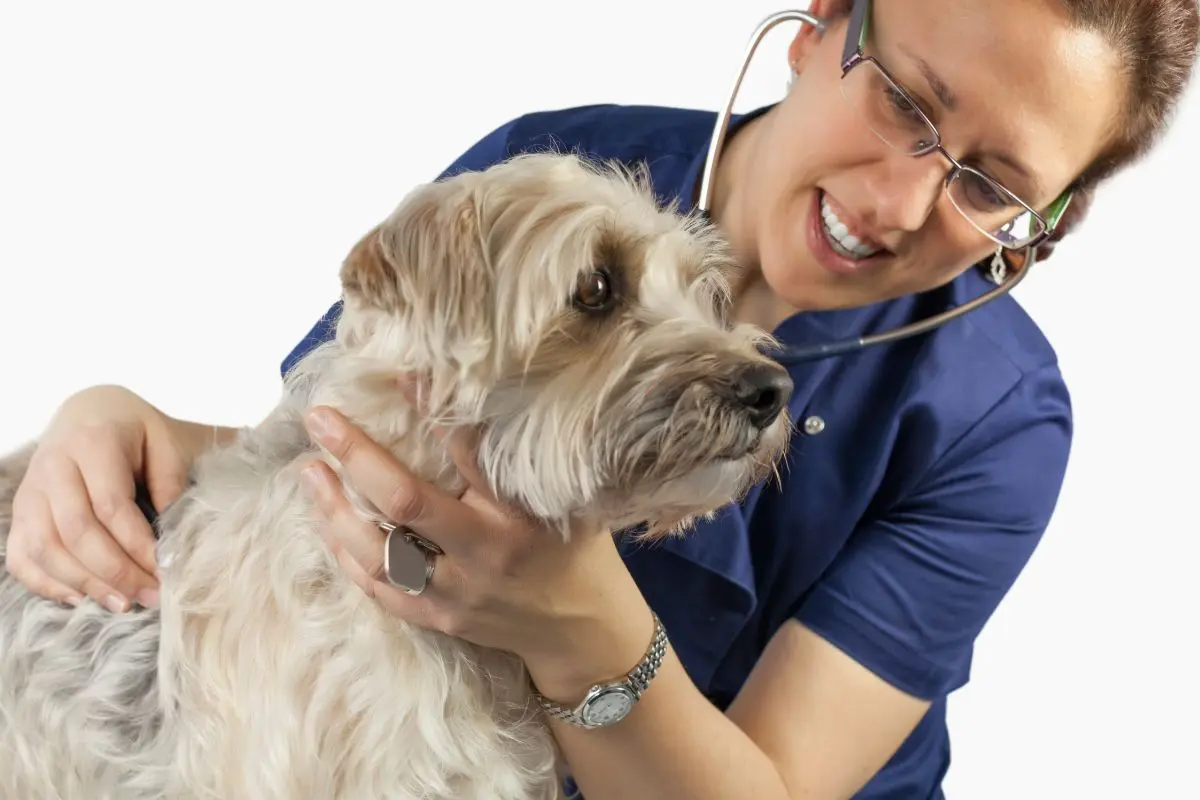
The veterinarian will palpate the lump and evaluate its location, size, texture, and mobility. They will also check for other clinical signs.
Common diagnostic tests
- Fine-needle aspiration (FNA): To analyze cells from the lump under a microscope.
- Biopsy: Extraction of tissue for histopathological analysis.
- Other complementary tests (X-rays, ultrasounds, or laboratory tests): To assess if the lump affects internal organs.
Treatments for different types of lumps in dogs
Treatment depends on the type of lump:
- Observation: For small lipomas or benign warts.
- Drainage or removal: For inflamed sebaceous cysts.
- Surgery: For large lipomas, mammary tumors, mast cell tumors, or other malignant lumps.
- Chemotherapy: In cases of aggressive cancer.
Prevention and monitoring of lumps in your dog
- Perform regular check-ups at home.
- Maintain a balanced diet and adequate exercise.
- Take your dog for regular veterinary check-ups.
- Spay or neuter your pet to reduce the risk of mammary and testicular tumors

When to seek emergency veterinary care
If the lump bleeds profusely, grows alarmingly fast in a short period of time, causes severe pain, affects your dog’s mobility, or the dog shows signs of illness (lethargy, loss of appetite, weight loss, etc.) seek immediate veterinary attention.
The importance of early detection
Detecting and treating a lump early can make a significant difference in your pet’s health. An early check-up increases the chances of successful treatment and improves the dog’s quality of life.