
In the pet food sector, stock is more than just inventory — it’s capital, strategy, and opportunity. For distributors, the difference between a warehouse full of unsold goods and a profitable business often comes down to one key decision: choosing the right brands. Now more than ever, carefully selecting the products you carry can multiply your profits without expanding your catalog or increasing your logistics costs. The secret? Betting on profitable products to sell — those that truly bring value to both your retail clients and the end consumer.
What Makes a Brand a Strategic Ally?
Not all brands are equal. Some simply take up space in your catalog; others become true engines of profitability. The most successful brands for distributors tend to share the following characteristics:
1. Real Differentiation
Brands that focus on formulas with visible benefits (digestive health, mobility, skin & coat, etc.) are more likely to catch the consumer’s attention and generate loyalty. Today’s customers are looking for solutions, not just food.
2. High Turnover
Good products sell fast. SKUs that address specific needs or align with current trends (natural diets, functional supplements, grain-free options…) tend to perform better in retail.
3. Healthy Profit Margins
A profitable brand should allow you to work with sustainable margins without entering price wars. That’s where the concept of profitable products to sell becomes vital — those that bring returns even in competitive markets.
4. Distributor Support
From marketing materials to periodic promotions, brand support can make a big difference. Training for sales teams and territorial exclusivity are also important assets.
Emerging Brands vs Big Names: A Strategic Opportunity
Many distributors tend to rely solely on the market’s big-name brands. However, in recent years, emerging brands as Summit 10 have become an increasingly attractive alternative — and for good reasons:
1. Higher Profit Margins
Established brands are often widely distributed and have tightly controlled pricing. In contrast, emerging brands typically offer higher margins, especially if you’re among their first distributors.
2. Territorial Exclusivity & Less Competition
Big brands are everywhere, which makes it harder for you to stand out. Emerging brands value their early partners and often offer zone exclusivity, tailored agreements, and closer working relationships.
3. More Flexibility & Proximity
Young brands tend to be more agile and adaptable when it comes to terms, local campaigns, or creating specific materials for your channel. You can influence their growth, co-develop strategies, and have a more direct relationship.
4. Differentiation for Your Retail Client
Retailers also want to stand out. An emerging brand with a clear value proposition (natural nutrition, functional ingredients, holistic approach…) gives them sales arguments their competitors may not have.
5. Long-Term Potential
If an emerging brand succeeds and you’re there from the beginning, you can position yourself as a strategic partner with long-term, preferential terms as their demand grows.
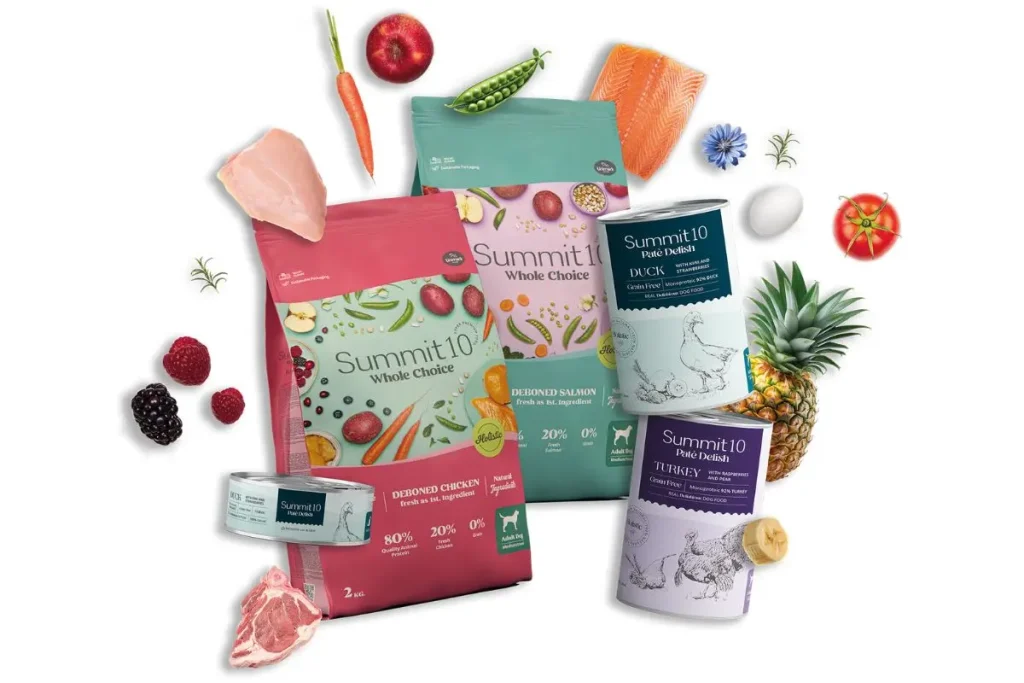
In short, well-selected emerging brands are not a risky gamble — they’re a strategic move for growth and profitability. Especially when you’re looking for profitable products to sell with strong future potential.
The Common Mistake: Thinking Volume Over Profitability
Many distributors fall into the trap of constantly expanding their catalog, assuming that “more is better.” In reality, this often leads to:
- More capital tied up in stock
- Increased logistical complexity
- Less commercial focus
- Overstocking with low turnover
The key is to optimize, not accumulate. A well-curated portfolio of high-performing brands can be far more profitable than an oversized catalog with slow-moving items.
How to Identify Profitable Products to Sell
Here are some practical criteria to help determine if a brand or product deserves a place in your warehouse:
- Minimum margin of 30%-40%
- Strong or growing market demand
- Good Price-to-perceived-value ratio
- Clear and simple product messaging (clear benefits)
- Reliable supply and logistics
- Strong positioning (super premium, functional, natural, etc.)
Don’t be afraid to focus on fewer products — just make sure they’re the right ones. Remember: stock is an investment, and every SKU must earn its place.
Conclusion: From Filling Shelves to Filling Your Bottom Line
As a distributor, your success is not measured by volume alone, but by profit margin, turnover, and customer retention. Choosing the right brands is the smartest way to grow your business without increasing your operational burden.
Profitable products to sell aren’t just easy to move — they help your retail network grow with you. Don’t just fill your shelves — fill them with strategy.
Frequently Asked Questions (FAQs)
How do I know if a product will have good turnover?
Check if the product meets a specific need (digestive health, joints, skin & coat…), if it has professional packaging, and if the brand already has digital presence or point-of-sale support. You can also ask for feedback from other distributors or stores.
What’s a healthy margin for pet food products?
It depends on the product type, but a healthy distributor margin is usually between 30% and 40%. For supplements or functional products, margins may be even higher due to perceived value.
Is it better to work with big brands or emerging ones?
Both can work. Big brands offer immediate recognition, but tend to come with higher competition and lower margins. Well-positioned emerging brands may offer exclusivity, better support, and higher long-term profitability if you grow alongside them.