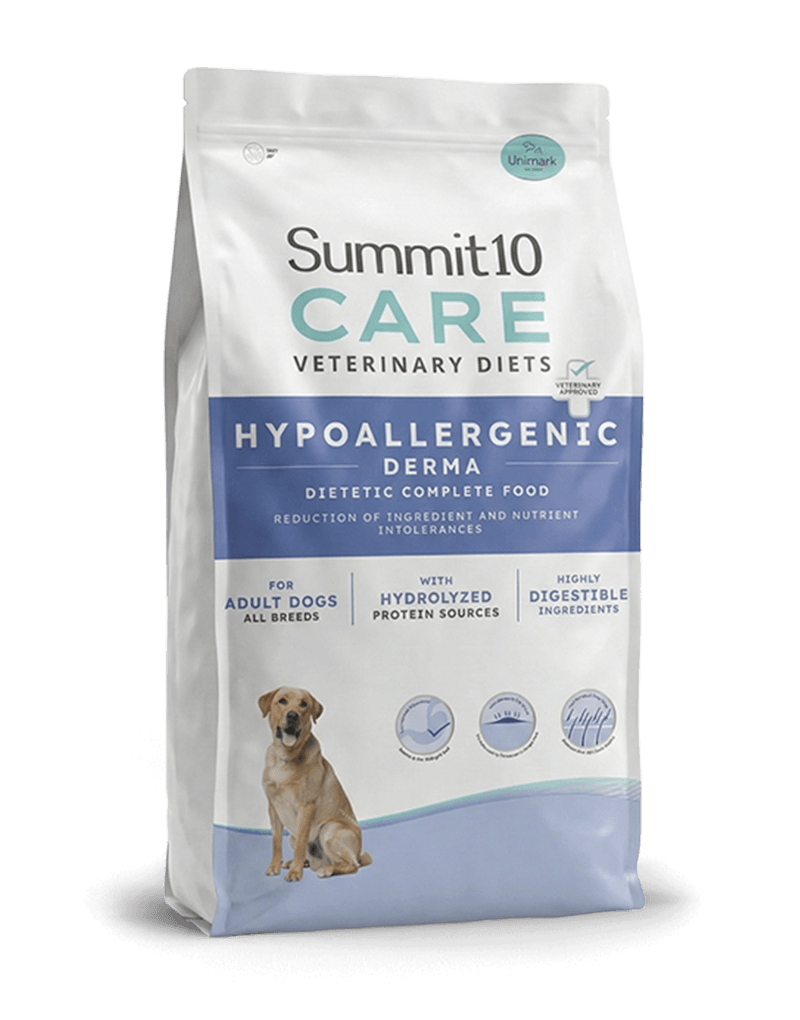


CARE

VETERINARY DIETS

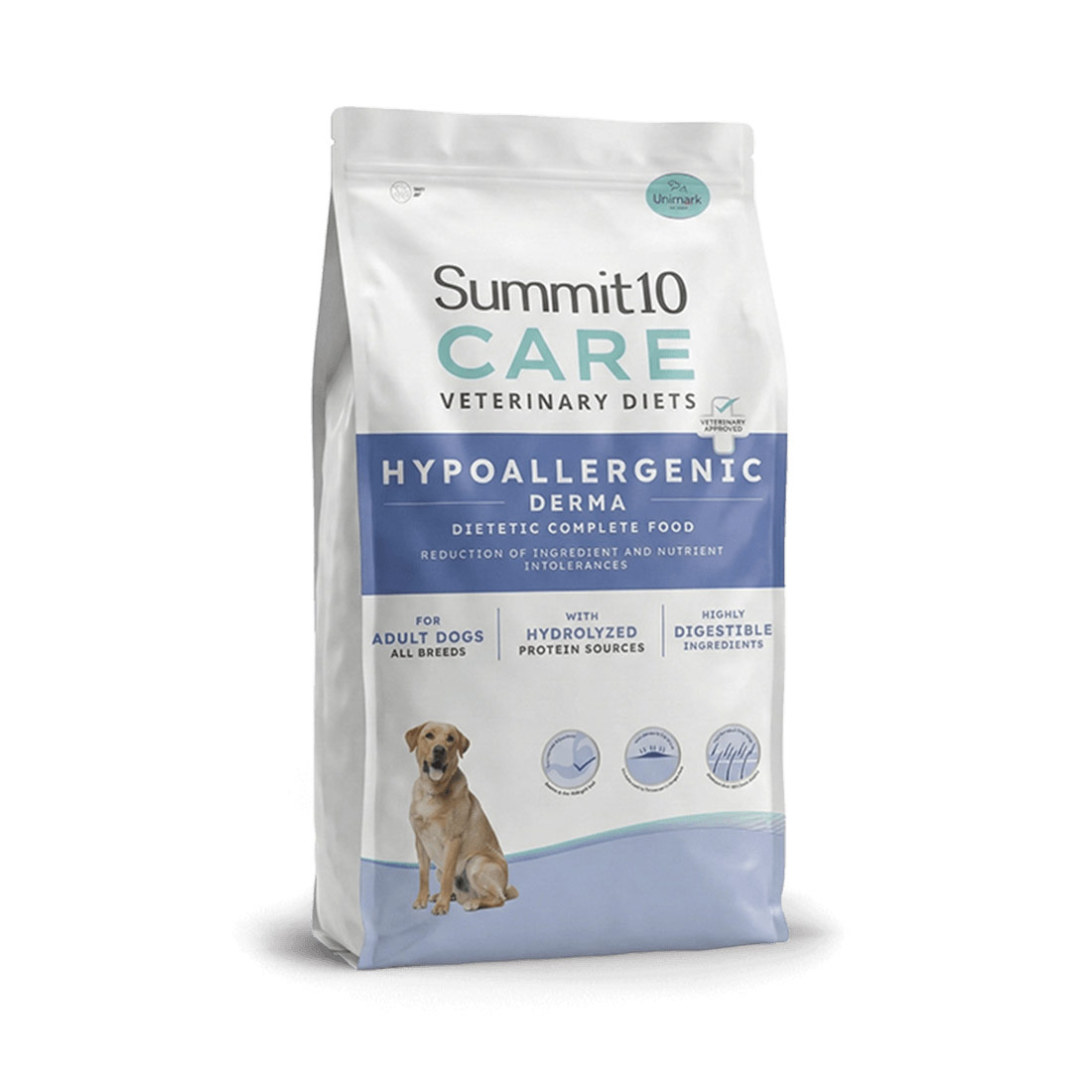
HYPOALLERGENIC DERMA

ADULT DOG

Dietetic complete food for adult dogs indicated for the reduction of ingredient and nutrient intolerances and support of skin function in the case of dermatosis and excessive loss of hair.

Formulated with hydrolyzed protein sources and carefully selected ingredients to minimize the chance of immunological reactions (food allergy) or non-immunological reactions (food intolerance).

1

HYDROLYZED PROTEIN SOURCE
WITH LOW MOLECULAR WEIGHT
Pre-digested for easy absorption
and minimal immune recognition

2

LIMITED CARBOHYDRATE SOURCES
To ensure a highly digestible, low-allergen
diet, as they reduce the risk of adverse
food reactions by the immune system

3

Enriched with Omega-3 fatty acids
(EPA and DHA from Fish oil)
and
Omega-6 fatty acids (GLA from
Borage oil)
for their anti-inflammatory
properties. They have been shown
to help reduce symptoms of itching
and inflammation. In addition, they
support healthy skin.

4

HIGHLY DIGESTIBLE INGREDIENTS
For their anti-inflammatory
properties, they help reduce
itching and inflammation while
supporting healthy skin

HYDROLYZED PROTEIN SOURCE WITH LOW MOLECULAR WEIGHT

Pre-digested for easy absorption and minimal immune recognition

LIMITED CARBOHYDRATE SOURCES

To ensure a highly digestible, low-allergen diet, as they reduce the risk of adverse food reactions by the immune system

HIGHLY DIGESTIBLE INGREDIENTS

For their anti-inflammatory properties, they help reduce itching and inflammation while supporting healthy skin

Enriched with Omega-3 fatty acids (EPA and DHA from Fish oil) and Omega-6 fatty acids (GLA from Borage oil) for their anti-inflammatory properties. They have been shown to help reduce symptoms of itching and inflammation. In addition, they support healthy skin.

With hydrolyzed protein sources

Highly digestible ingredients

With limited ingredients

Ensures a low allergen diet

With omega-3 fatty acids

Provides anti-inflammatory properties

With omega-6 fatty acids

Improves skin and coat health

TECHNICAL INFORMATION

INDICATIONS

  • Dogs with suspected or diagnosed food allergies.
  • Dogs with chronic dermatological signs associated with adverse food reactions (itching, redness, hair loss, recurrent ear infections).
  • Dogs with gastrointestinal disturbances related to food sensitivity (vomiting, diarrhea, soft stools, flatulence).
  • Dogs requiring an elimination diet trial under veterinary supervision.
  • Dogs with recurrent skin or digestive issues of suspected dietary origin.

NUTRITIONAL INFORMATION

Rice, rice bran, fish hydrolyzate (10%), beet pulp, chicken oil, potato protein (5%), fish oil (5%), rice protein, soy protein hydrolyzate (3%), minerals, chicken hydrolyzate, borage oil (0.5%), linseed oil (0.5%).

Nutritional: Vitamin A 10,700 IU/kg, Vitamin D3 500 IU/kg, Vitamin E 600 mg/kg, Iron (iron (II) sulphate monohydrate) 68 mg/kg, Iodine (potassium iodide) 3.2 mg/kg, Copper (copper (II) sulphate pentahydrate) 9 mg/kg, Manganese (manganous sulphate monohydrate) 6.8 mg/kg, Zinc (zinc oxide) 108 mg/kg, Selenium (sodium selenite) 0.11 mg/kg, Taurine 800 mg/kg, L-carnitine 750 mg/kg.
Technological: Lecithin 5,000 mg/kg. Antioxidants: Tocopherol extracts from vegetable oils.

Crude protein (22.5%), Crude fat (15.3%), Omega-3 fatty acids (1.75%), Omega-6 fatty acids (3%), Linoleic acid (28 mg/kg), EPA + DHA (8,5 mg/kg), Arachidonic acid (600 mg/kg), Crude fiber (3.3%), Crude ash (6.2%), Calcium (0.9%), Phosphorus (0.7%), Sodium (0.25%), Potassium (0.67%), Magnesium (0.22%).

1

Strictly follow the hypoallergenic diet
without offering any other foods, treats,
table scraps, flavored medications, or
supplements unlessapproved by your
veterinarian.

2

Ensure all family members are aware of the
dietary restrictions to prevent accidental
feedingof non-approved foods.

3

Maintain the diet consistently for the
recommended elimination period
(usually 6–8 weeks) to properly
evaluate results.

4

Avoid sudden diet changes unless
advised by a veterinarian.

5

Store the food properly to preserve
freshness and prevent cross-
contamination with other pet foods.

6

Monitor your dogs’s skin condition,
stool quality, and overall behavior,
and keep a record of any changes.

7

If improvement is observed, consult your
veterinarian before reintroducing any
previous foods.

8

Schedule regular veterinary follow-ups
to assess progress and adjust the
feeding plan if necessary.

calculate the daily dosage

Calculate the appropriate daily allowance for your dog
Divide the daily ration into several meals. Always leave clean and fresh water freely available. This is the recommended daily amount of food your dog needs, based on his/her size and lifestyle. But remember that, in all cases, this estimation is just a starting point and the ration must be adjusted individually in order to achieve a stable weight and an ideal body condition. It is recommended that a veterinarian's opinion be sought before use and before extending the period of use. Food with a high level of linoleic acid and sum of eicosapentaenoic acid (EPA) and docosahexaenoic acid (DHA). Recommended period of use of 3 to 8 weeks; if signs of intolerance disappear this food can be used initially up to one year for reduction of ingredient and nutrient intolerances. Initially up to 2 months in case of dermatosis and excessive loss of hair.

Ingredients in this recipe

MEATS
CHICKEN HYDROLYZATE: A highly digestible protein source obtained through enzymatic hydrolysis of chicken proteins into low-molecular-weight peptides. Its reduced allergenic potential makes it suitable for sensitive animals and elimination diets. It supports muscle maintenance, nutrient absorption, and palatability, while contributing to overall protein quality in the formula.
SALMON
FISH

FISH HYDROLYZATE: A highly digestible source of low-molecular-weight peptides obtained through enzymatic hydrolysis of fish proteins. It provides high biological value amino acids and is especially suitable for sensitive animals due to its reduced allergenic potential. It supports muscle maintenance, optimal nutrient absorption, and palatability, while contributing to gastrointestinal health.

CEREALS
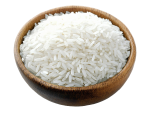
RICE: A source of complex carbohydrates (mainly starch) that is very easy to digest. It also provides vitamins (E, B1, B3, and folic acid) and minerals (iron, magnesium, phosphorus, selenium, and zinc). Overall, it is a quick source of energy that also allows obtaining crunchy kibbles during the extrusion process.

RICE BRAN: A nutrient-rich by-product of rice milling that provides dietary fiber, essential fatty acids, vitamins (notably vitamin E and B-complex), and bioactive compounds. It supports intestinal health by promoting beneficial gut microbiota, improving stool quality, and contributing antioxidant protection within the gastrointestinal tract.

OTHER PROTEINS

POTATO PROTEIN: A highly digestible plant-based protein derived from potatoes, with a well-balanced amino acid profile and low allergenic potential. It supports muscle maintenance and growth, and is particularly suitable for sensitive or limited-ingredient formulations. Its high biological value contributes to overall protein quality in the diet.

RICE PROTEIN: A plant-based, hypoallergenic protein source with good digestibility and a balanced amino acid profile. It supports muscle maintenance and is suitable for sensitive or elimination diets. Its low allergenic potential contributes to skin and digestive health management.

SOY PROTEIN HYDROLYZATE: A plant-derived protein source obtained through enzymatic hydrolysis of soy proteins into smaller peptides. This process enhances digestibility and reduces allergenic potential. It provides essential amino acids to support muscle development and maintenance, while also contributing to palatability and functional protein supplementation in specialized diets.
TUBERS
TAPIOCA: A source of complex carbohydrates (mainly starch) that are easy to digest, provides energy and allows obtaining crunchy kibbles during the extrusion process. Furthermore, tapioca is hypoallergenic and rarely causes allergic reactions.
FAT SOURCES

CHICKEN OIL: A highly palatable and digestible concentrated source of energy, which also provides essential fatty acids from the omega-6 family (such as linoleic and arachidonic acid), and fat-soluble vitamins (A, D, E, and K). It also contributes to the absorption of fat-soluble compounds, cellular function (since essential fatty acids are crucial for maintaining the integrity of cell membranes and the general health of the body) and maintain the health of the skin and hair

FISH OIL: A highly palatable concentrated source of energy, which also provides essential omega-3 fatty acids (such as EPA (eicosapentaenoic acid) and DHA (docosahexaenoic acid)). EPA helps reduce inflammation and improves cardiovascular health. And DHA is crucial for brain health, cognitive function, and eye health. In addition, vitamin D and antioxidants help strengthen the immune system.

BORAGE OIL: A vegetable oil extracted from Borago officinalis seeds, characterized by its high content of gamma-linolenic acid (GLA), an omega-6 fatty acid. It supports skin barrier function, promotes healthy skin and coat condition, and helps modulate inflammatory responses. Its fatty acid profile contributes to dermatological health and overall immune balance.

LINSEED OIL: A rich source of omega-3 fatty acids, particularly alpha-linolenic acid (ALA). It supports healthy skin and coat condition, modulates inflammatory responses, and contributes to cardiovascular and joint health.
VEGETABLES
BEET PULP: A moderately fermentable source of dietary fiber derived from sugar beet processing. It promotes balanced intestinal microbiota, supports stool quality and gut motility, and contributes to digestive health by providing both soluble and insoluble fibers.
FRUITS
CITRUS PULP: A moderately fermentable fiber source obtained from citrus fruit processing. It contains soluble fibers such as pectins that support balanced intestinal microbiota, enhance short-chain fatty acid production, and promote optimal stool consistency and digestive function.
HERBS
PSYLLIUM: A soluble fiber derived from Plantago seeds, known for its high water-binding capacity. It supports intestinal regularity, improves stool consistency in both diarrhea and constipation, and promotes gut health through its prebiotic-like effects.
YUCCA SCHIDIGERA: Also known as Mojave yucca, it has a high content of saponins and polyphenols, which give it antimicrobial, antioxidant, and anti-inflammatory properties. Moreover, its saponin content helps improve digestion and reduce ammonia production, thereby reducing flatulence and bad stool odor.
OTHERS

L-CARNITINE: Amino acid that promotes obtaining energy from fat (improves the energy efficiency of mitochondria), preventing overweight or obesity and slowing down cellular aging (neurons, myocardial cells, etc.).

Chondroprotectors
GLUCOSAMINE: This amino sugar inhibits the activity of certain enzymes that degrade articular cartilage (aggrecanases and metalloproteinases) and, in turn, stimulates the production of glycosaminoglycans and proteoglycans, essential components for the formation and repair of cartilage.
CHONDROITIN SULPHATE: This compound inhibits the activity of certain enzymes that degrade joint cartilage (collagenases and elastases) and, in turn, stimulates the production of glycosaminoglycans and collagen, essential components for the formation and repair of cartilage. In addition, it provides anti-inflammatory properties.
OTHERS
L-GLUTAMINE: A conditionally essential amino acid that serves as a primary energy source for enterocytes (intestinal cells). It supports intestinal barrier integrity, promotes mucosal repair, and contributes to maintaining optimal gut function, particularly during periods of stress or digestive challenge.
Chicken hydrolyzate
Fish hydrolyzate
Rice, Rice bran
Tapioca
Chicken Oil, Fish oil, Borage oil, Linseed oil
Potato
Beet pulp
Psyllium, Yucca schidigera
Potato protein, Rice protein, Soy protein hydrolyzate
L-carnitine
Glucosamine, Chondroitin sulphate
L-glutamine