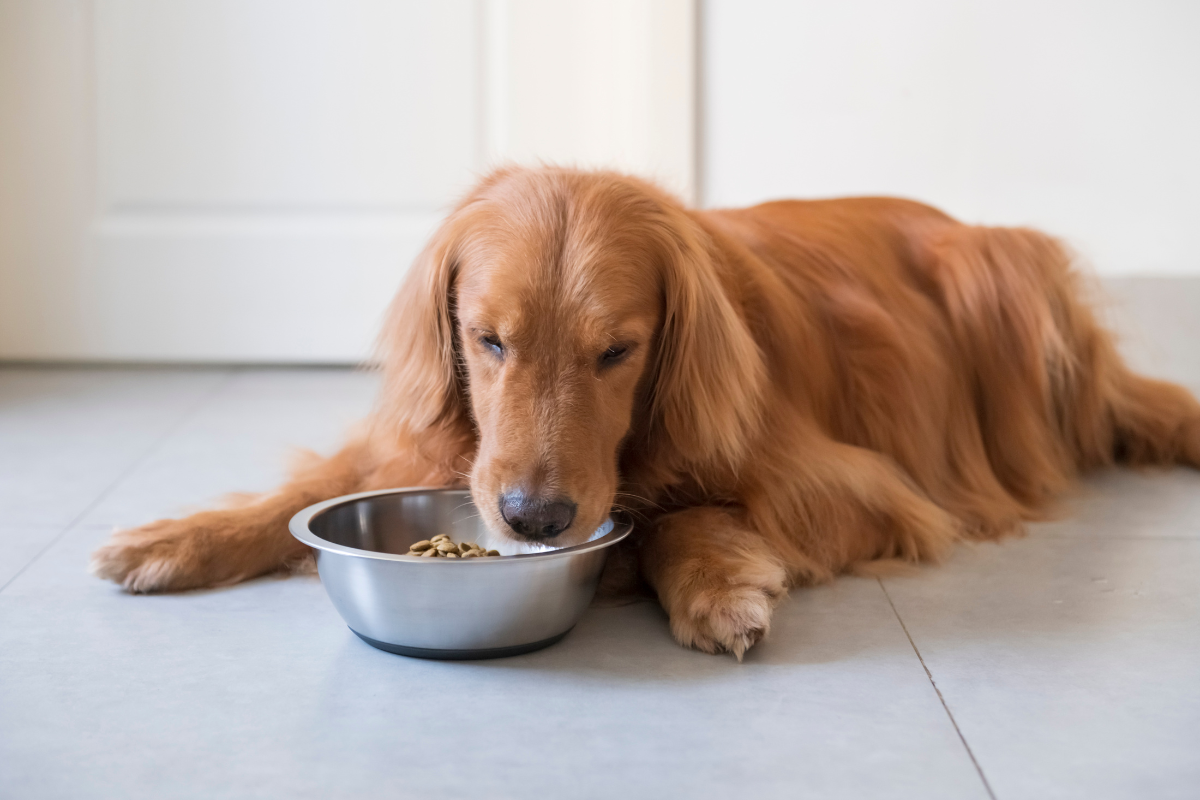
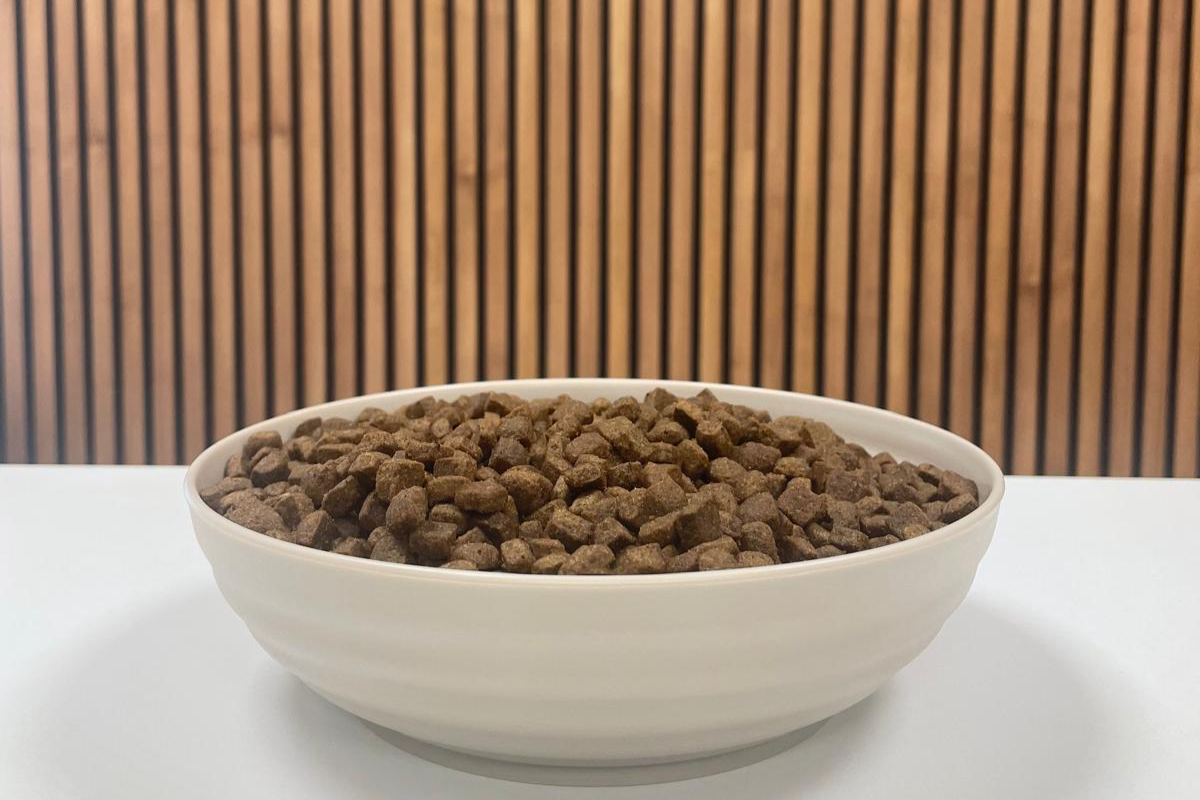
In a market with high competition and many consumer choices, palatable dog food and cat food become a decisive factor that can make the difference in the success of a product. For retailers, understanding the importance of these foods is more than a competitive advantage; it is a strategic necessity.
What Is Palatability and Why Does It Matter?
Palatability refers to how appealing a food is to pets in terms of taste, aroma, and texture. In other words: if the animal doesn’t like it, it simply won’t eat it—no matter how nutritious the product is.
A dog that enjoys its food becomes a loyal customer (and so does the pet owner). Palatability, therefore, is a silent yet powerful driver of repeat purchases.
There are two key dimensions of palatability:
Intrinsic Palatability: The Immediate Sensory Response
This refers to the organoleptic properties of the food—what the animal perceives through its senses:
- Aroma
Olfactory surface area:
- Humans: 2-4 cm2
- Cats: 7-21 cm2
- Dogs: 18-150 cm2
This means dogs are up to 75 times more sensitive to smells than humans—making aroma a critical factor in food acceptance.
- Taste
Number of taste buds:
- Humans: ~9,000
- Cats: ~500
- Dogs: ~1,700
While animals have fewer taste buds, their ability to detect proteins and fats is highly refined.
- Texture or “mouthfeel”
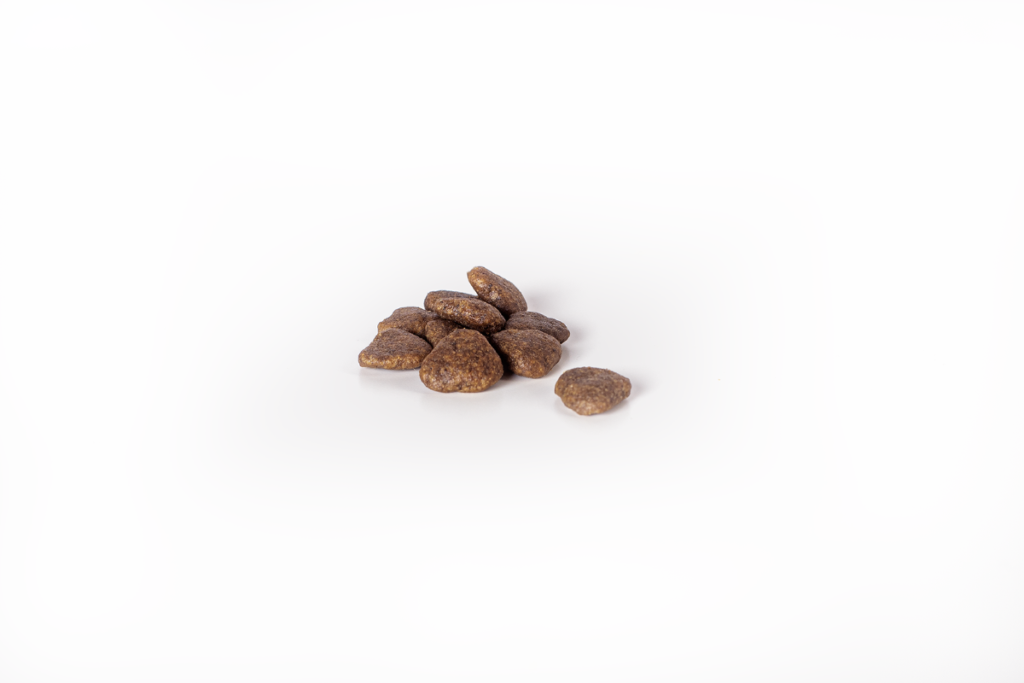
Includes hardness, elasticity, stickiness… what’s known as mouthfeel. For example, some dogs may prefer crunchy kibble, while others seek softer or moister textures.
Learned Palatability: Beyond the Senses
This is influenced by:
- Previous experiences and genetic predisposition
- The animal’s physiological and metabolic state
- Environmental conditions
- Social context
Together, these factors determine whether a pet will accept, reject, or crave a particular food.
What Can Affect (or Ruin) Palatability?
Even a well-formulated food can lose its appeal if:
- Fat becomes oxidized (producing a rancid taste)
- There is bacterial or mold contamination
- Ingredients lack freshness or quality
A non-palatable food can NEVER become truly palatable just by adding flavorings. Palatability must be built into the formulation from the start. And proper storage — in a cool, dry place, away from direct sunlight — is crucial to preserve it.
Palatable ≠ Complete
This is where many consumers—and sometimes even retailers—get confused.
A dog or cat may eagerly devour a flavorful snack or kibble, but that doesn’t mean it’s meeting its nutritional requirements. It is therefore essential to offer palatable dog food and cat food that is nutritionally complete, balanced and safe.
Why Should Retailers Care?
Animal behavior studies show that most dogs instinctively choose foods with more appealing flavor and aroma. In fact:
- 85% of dog owners report switching brands if the dog rejects food.
- Products with high palatability can boost loyalty by up to 40% in premium segments.
For retailers, this translates into:
- Higher repurchase rates
- Loyal, satisfied customers
- Fewer returns or complaints
- Faster inventory turnover
How to Identify Palatable Pet Foods?
Manufacturers increasingly invest in sensory technologies and preference testing to ensure high acceptance rates. As a retailer, it’s worth asking suppliers about:
- Natural ingredients with high organoleptic appeal (e.g. fresh meat, hydrolyzed liver, yeast)
- Improved textures (e.g. crunchy but not greasy, stable and non-crumbly kibbles)
- Natural flavorings designed specifically for dogs
Palatability and Profitability Go Hand in Hand
Investing shelf space and promotional efforts in highly palatable products isn’t just a nutritional choice — it’s a smart business decision.
Palatable pet food doesn’t just satisfy the end user (the dog or cat); it also pleases the human buyer, who wants to see their pet happy and healthy.
Conclusion
Palatability is much more than a sensory attribute—it’s a strategic sales and loyalty tool. Choosing foods that dogs and cats genuinely enjoy—without compromising their health—means satisfying everyone in the chain: the pet, the pet parent, and the business.
Frequently Asked Questions (FAQs)
Why is palatability important in dog and cat food?
Because it determines whether the pet will accept the food. Even the most nutritious product won’t be eaten if it’s not appealing in aroma, taste, or texture. High palatability also drives repeat purchases and customer loyalty.
Is a highly palatable food always complete and balanced?
Not necessarily. A dog may enjoy a tasty snack or kibble, but that doesn’t mean it meets all their nutritional requirements. It’s essential that the food is also complete, balanced, and safe.
How can a retailer identify foods with good palatability?
Checking the ingredients (such as fresh meat, hydrolyzed liver, or yeast), evaluating texture, and confirming the use of natural flavorings specifically designed for dogs or cats.