Teething in dogs is a natural process that begins at an early age and often raises many questions for pet owners. One of the most common concerns is when do puppies lose their baby teeth, as this milestone plays a key role in their development. Understanding when dogs get their teeth and when they lose them is essential to provide the right care at each stage of their growth.
Dental Development in Dogs: An Overview
Like humans, dogs go through a temporary dentition phase before developing their permanent teeth. This process begins just a few weeks after birth and is crucial for the dog to eat properly and maintain good oral health throughout life.
Timeline of Puppy Teething
Each stage of dental change in dogs occurs at specific points in their development. Knowing this timeline will help you understand when dogs get their teeth and when dogs change their teeth.
Baby Teeth (3-6 Weeks)
The first teeth, known as baby teeth, begin to emerge between 3 and 6 weeks of age. During this phase, puppies are still mainly nursing but start exploring solid foods.
Start of Baby Teeth Falling Out (12-16 Weeks)
Between 12 and 16 weeks, baby teeth begin to fall out to make way for permanent teeth. This is the key stage when many pet owners ask when dogs lose their teeth. It’s normal to find small fallen teeth around the house or notice the puppy chewing more than usual to relieve discomfort.
Growth of Permanent Teeth (4-6 Months)
From 4 to 6 months, permanent teeth start to come in. This is a progressive process that can cause discomfort and a strong need to chew on objects to ease gum pressure.
Completion of Teething (7-8 Months)
The teething process usually completes between 7 and 8 months of age. By this time, the dog should have all its permanent teeth properly aligned and ready for efficient chewing.
Factors Influencing the Replacement of Baby Teeth
Several factors can affect the speed and quality of dental development in dogs.
Breed and Size of the Dog
Small breeds often change their teeth more slowly than medium or large breeds. Some breeds are also more prone to retaining baby teeth for longer.
Nutrition
A balanced diet rich in minerals like calcium and phosphorus is crucial for proper dental development. Poor nutrition can delay or complicate the teething process.
Genetics
Genetic factors play a significant role. Some dogs may inherit dental alignment issues or a tendency to retain baby teeth.

Signs of Puppy Teething
During the teething process, you may notice:
- Increased chewing behavior
- Slight gum bleeding
- Swollen or sensitive gums
- Temporary loss of appetite
- Bad breath
All these signs are normal, but it’s important to monitor them to detect any complications.
Common Problems During Replacement of Baby Teeth
Retained Baby Teeth
This occurs when a baby tooth does not fall out on time, which can cause crowding and alignment issues.
Misaligned Teeth
If permanent teeth do not grow in the correct position, it can affect the bite and lead to long-term discomfort or damage.
Pain and Discomfort
Teething can cause pain, especially when new teeth are erupting or gums are inflamed.
Care During the Teething Process
To help your puppy during this stage:
- Provide safe chew toys specifically for teething.
- Offer soft foods if they show discomfort when chewing.
- Establish soft foods if they show discomfort when chewing.
- Monitor the loss of baby teeth to detect potential retention.
In addition to good oral hygiene, a balanced diet is key during tooth replacement. Including safe, natural ingredients, such as certain fruits, can be beneficial if done with knowledge.
👉 Find out what fruits dogs can and can’t eat in this comprehensive guide for responsible guardians.
When to Consult the Veterinarian
You should visit the vet if:
- Baby teeth don’t fall out after 7 months.
- Your dog shows signs of severe pain or excessive swelling.
- There is obvious dental misalignment.
- There is significant bleeding or persistent bad breath.
Myths About Puppy Teething
- Myth: Dogs always swallow their baby teeth.
Truth: Sometimes they do, but it’s also common to find them in their bed or toys.
- Myth: All dogs change teeth at the same age.
Truth: The timeline may vary depending on breed and size.
- Myth: It’s not necessary to care for baby teeth.
Truth: Good hygiene from an early age prevents future dental problems.
Maintaining Dental Health After Teething
Once teething is complete:
- Brush your dog’s teeth regularly.
- Schedule routine veterinary check-ups.
- Provide appropriate chew toys.
- Consider feeding options that promote dental cleaning.
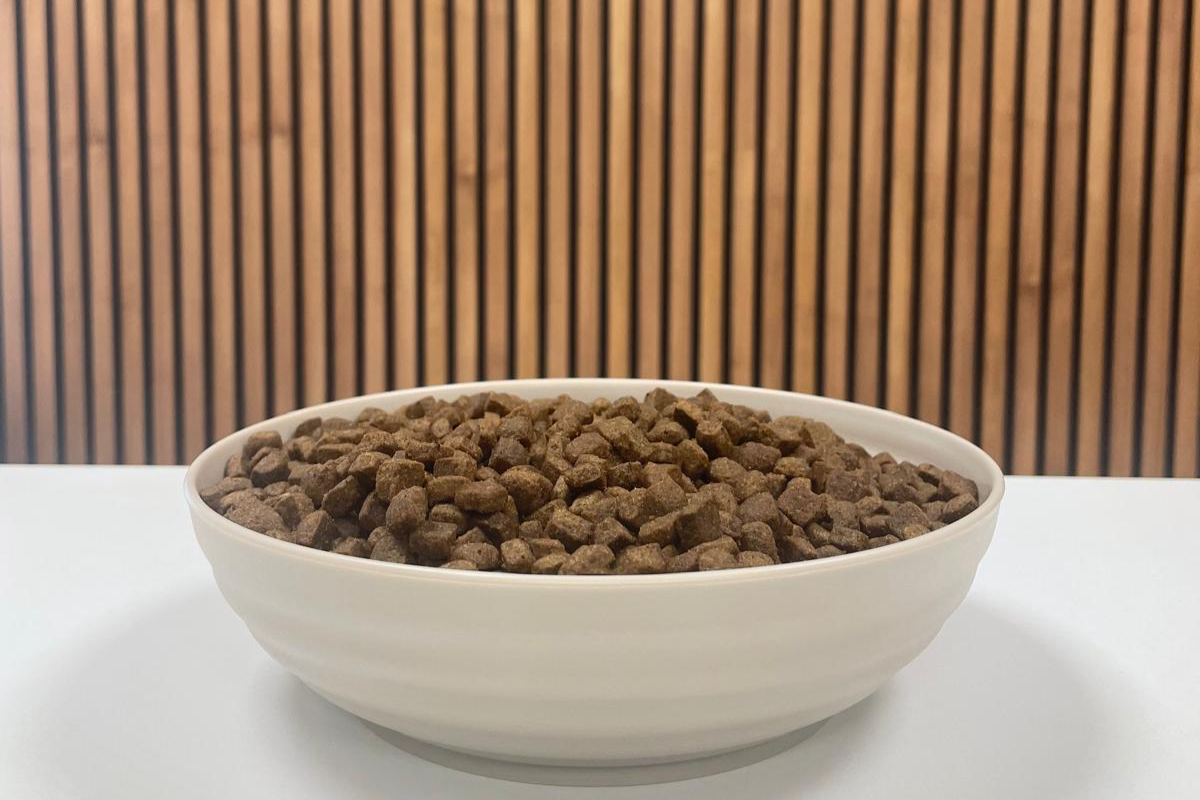
Our dry food diets are manufactured using an anti-plaque technology that gives them specific physical and structural characteristics. These properties prevent the kibbles from crumbling immediately upon contact with the teeth during chewing, allowing them to penetrate and exert a mechanical abrasive effect on the tooth surface, thereby removing dental plaque and preventing tartar formation.
In addition, the Grain-Free line diets contain sodium polyphosphates, which are phosphate polymers with the ability to bind divalent cations such as calcium in the saliva, thus preventing their mineralization into tartar.
Finally, our diets include phytogenic compounds such as rosemary, mint, sage, and thyme, which not only have antibacterial properties — ideal for reducing plaque formation — but also freshen breath and strengthen the gums.
The Importance of Healthy Dental Development
Proper dental development ensures your dog can eat comfortably, avoid oral health issues, and enjoy a better quality of life in the long term. Supporting each stage, from when dogs get their teeth to when dogs change their teeth, is key to their overall well-being.
FAQs
When do puppies lose their baby teeth?
Usually between 12 and 16 weeks of age.
When do dogs get their teeth?
Baby teeth appear between 3 and 6 weeks of life.
When do dogs change their teeth?
Teething mainly occurs between 4 and 7 months of age, usually completing around 8 months.