
CARE

VETERINARY DIETS

URINARY

ADULT DOG

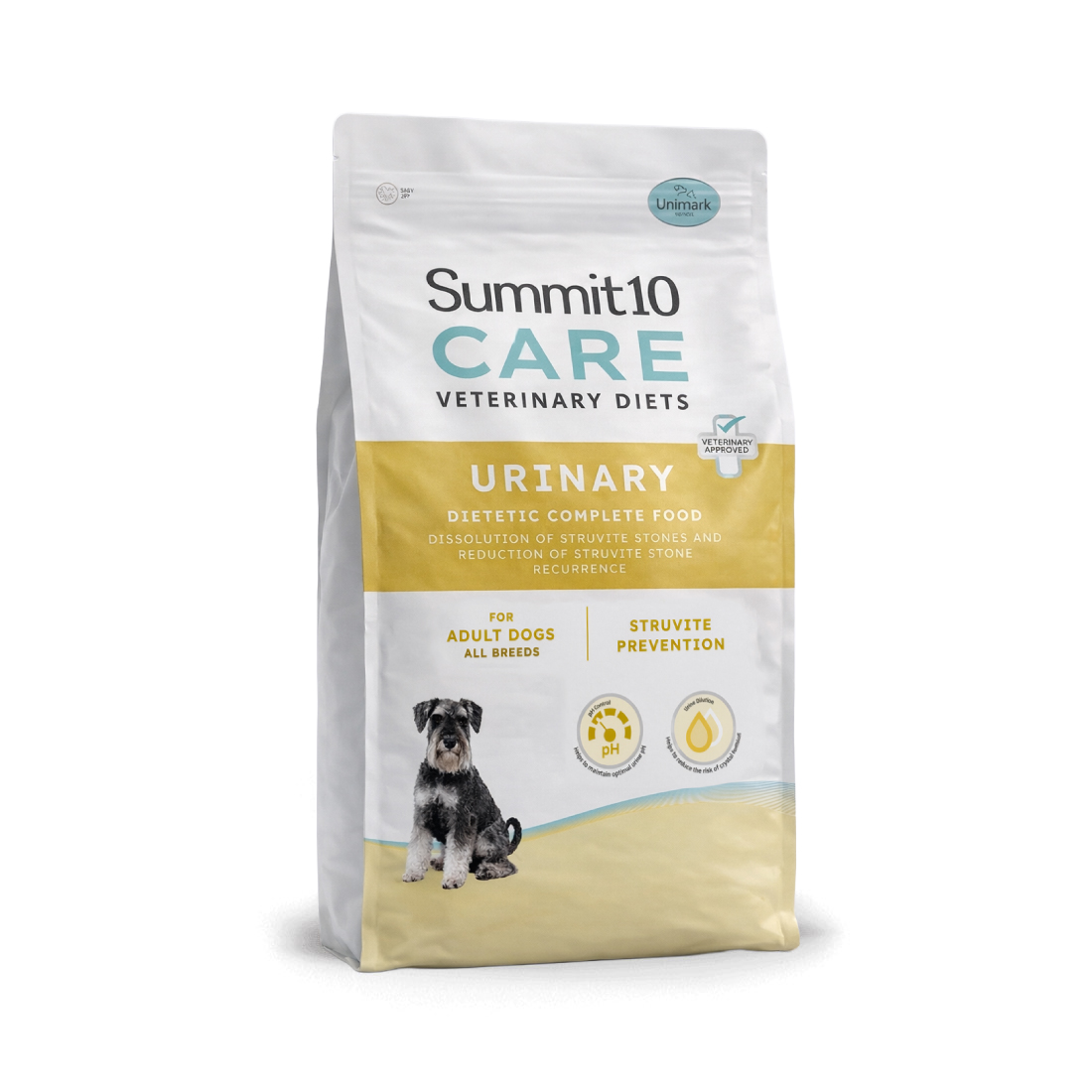
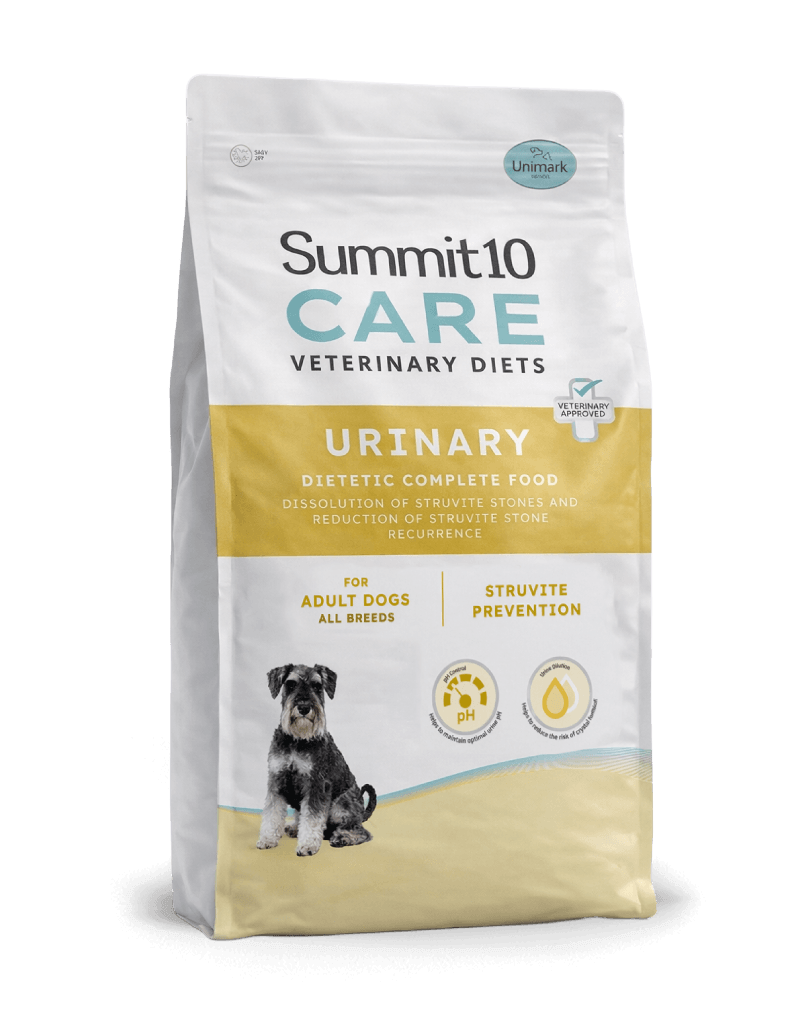
Dietetic complete food for adult dogs indicated for the dissolution of struvite stones and reduction of struvite stone recurrence

Formulated with carefully selected ingredients to create a urinary environment unsuitable for the formation of struvite stones.

1

SLIGHTLY INCREASED
SODIUM LEVEL
To promote water intake, urine
production, and therefore flushing
of the urinary tract, reducing the
chance of crystal precipitation

2

CONTAINS URINE ACIDIFIERS
(AMMONIUM CHLORIDE AND
DL-METHIONINE)
To promote an acidic urinary pH
(≤ 6.5) to support dissolution and
reduce the risk of struvite stone
formation

5

LOW MAGNESIUM FORMULA
WITH A BALANCED RATIO OF
PROTEIN AND PHOSPHORUS

To counteract struvite stone
formation

SLIGHTLY INCREASED SODIUM LEVEL

To promote water intake, urine production, and therefore flushing of the urinary tract, reducing the chance of crystal precipitation

CONTAINS URINE ACIDIFIERS (AMMONIUM CHLORIDE AND DL-METHIONINE)

To promote an acidic urinary pH (≤ 6.5) to support dissolution and reduce the risk of struvite stone formation

LOW MAGNESIUM FORMULA WITH A BALANCED RATIO OF PROTEIN AND PHOSPHORUS

To counteract struvite stone formation

pH CONTROL

Helps to dissolve struvite crystals

Urine dilution

Reduces the risk of crystal precipitation

TECHNICAL INFORMATION

INDICATIONS

  • Dogs with diagnosed struvite urolithiasis requiring dietary dissolution of struvite stones. Dogs with recurrent struvite crystal formation in the lower urinary tract.
  • Dogs with idiopathic cystitis.
  • Dogs requiring urine acidification and controlled mineral intake (magnesium, phosphorus) to reduce struvite formation.
  • Dogs following surgical or medical removal of struvite uroliths to help prevent recurrence.
  • Dogs with urinary tract infections associated with urease-producing bacteria, under appropriate veterinary treatment.
  • Dogs requiring long-term nutritional management to maintain optimal urinary pH and promote urinary tract health.

NUTRITIONAL INFORMATION

Wheat, dehydrated poultry protein, lard, corn gluten, rice bran, poultry hydrolysate, sodium chloride, calcium chloride, yeast, potassium chloride.
Nutritional: Vitamin A 25,000 IU/kg, Vitamin D3 2,000 IU/kg, Vitamin E 150 mg/kg, Iron (iron (II) sulphate monohydrate) 37.5 mg/kg, Iodine (potassium iodide) 1.75 mg/kg, Copper (copper (II) sulphate pentahydrate) 5 mg/kg, Manganese (manganous sulphate monohydrate) 3.75 mg/kg, Zinc (zinc oxide) 60 mg/kg, Selenium (sodium selenite) 0.06 mg/kg, Taurine 1,800 mg/kg, DL-Methionine 2,000 mg/kg.
Technological: Preservatives and antioxidants.
Zootechnical: Reduction of urinary pH: Ammonium chloride 5,000 mg/kg.
Crude protein (23.50%), Crude fat (18.50%), Crude fiber (1.70%), Crude ash (6.50%), Calcium (0.90%), Phosphorus (0.50%), Sulfur (0.20%), Sodium (0.30%), Potassium (0.40%), Magnesium (0.10%), Chloride (2.10%).
1

Feed the urinary diet exclusively.
Do not offer treats, table scraps,
or other pet foods unless specifically
approved by your veterinarian,
as these may alter urinary pH
and mineral balance.

2

 Ensure constant access to fresh,
clean water to promote increased
water intake and urine dilution.

3

Consider combining dry and wet
formats (if available within the
same urinary range) to help
increase total moisture intake.

4

Maintain the feeding plan for the
full period recommended by your
veterinarian, even if clinical
signs improve early.

5

Divide the daily ration into multiple
small meals to support stable
urinary pH throughout the day.

6

Monitor urinary habits closely
(frequency of urination, urine volume,
signs of discomfort) and report any
abnormalities promptly.

7

Schedule regular veterinary check-ups,
including urianalysis when recommended,
to monitor urinary pH and crystal
recurrence risk.

8

Maintain an ideal body condition and
reduce stress, as overall health and
well-being contribute to optimal
urinary tract function.

calculate the daily dosage

Calculate the appropriate daily allowance for your dog
Divide the daily ration into several meals. Always leave clean and fresh water freely available. The change of food should be done gradually over at least 7 days. This is the recommended daily amount of food your dof needs, based on his/her size and lifestyle. But remember that, in all cases, this estimation is just a starting point and the ration must be adjusted individually in order to achieve a stable weight and an ideal body condition. It is recommended that advice from a veterinarian be sought before use and before extending the period of use. Food with urine acidifying properties. Recommended initial period of use: 5 to 12 weeks for the dissolution of stones, and up to 6 months initially for the reduction of their recurrence.

Ingredients in this recipe

Chicken
MEATS
POULTRY PROTEIN: A high-quality, highly digestible animal protein derived from poultry sources such as chicken and turkey. It provides a balanced profile of essential amino acids necessary for muscle development and maintenance, supporting overall growth and body condition. Poultry protein also contributes to immune function and metabolic processes, while its palatability enhances feed acceptance.
POULTRY HIDROLYSATE: A highly digestible protein ingredient obtained through the enzymatic hydrolysis of poultry tissues, resulting in low-molecular-weight peptides and free amino acids. This process enhances nutrient bioavailability and significantly reduces allergenic potential, making it suitable for sensitive animals. Poultry hydrolysate provides essential amino acids that support muscle maintenance, immune function, and overall metabolic health. Additionally, it is highly palatable and is often used to improve feed acceptance and as a natural flavoring agent in pet food formulations.
CEREALS
WHEAT: Source of complex carbohydrates (mainly starch), protein, dietary fiber, vitamins (group B and E), and minerals (iron, magnesium, phosphorus, zinc, manganese, selenium, and copper). Overall, it is a source of energy that also allows obtaining crunchy kibbles during the extrusion process.
RICE BRAN: A nutrient-rich by-product of rice milling that provides dietary fiber, essential fatty acids, vitamins (notably vitamin E and B-complex), and bioactive compounds. It supports intestinal health by promoting beneficial gut microbiota, improving stool quality, and contributing antioxidant protection within the gastrointestinal tract.
FISH

SALMON: A source of high-quality, easily digestible, and palatable proteins, with a high content of omega-3 fatty acids (mainly EPA (eicosapentaenoic acid) and DHA (docosahexaenoic acid)). It also provides vitamins (A, D, B12, B3, B6, and B2), minerals (selenium, potassium, magnesium,
phosphorus, and iodine), and antioxidants (astaxanthin). Overall, it contributes to muscle development (thanks to its high protein content), cardiovascular health (thanks to its omega-3 fatty acid content), brain function (thanks to the neuroprotective effect of omega-3 fatty acids), the reduction of inflammation (due to its content of omega-3 fatty acid and astaxanthin), bone health (thanks to its high vitamin D and phosphorus content), and immune health (due to its vitamin D and selenium content).

OTHER PROTEINS

CORN GLUTEN: A concentrated plant-based protein derived from corn processing, with high digestibility and a significant protein content. It supports muscle maintenance and contributes to the overall amino acid supply, while also aiding in kibble structure.

YEAST: A source of high-quality protein and excellent palatability. It is also particularly rich in B vitamins, minerals (selenium, zinc, magnesium, iron, and phosphorus), prebiotic compounds (mannan-oligosaccharides (MOS) and beta-glucans), and nucleotides. Overall, it contributes to improving the quality of the skin, hair, and nails (due to its content of biotin and other B vitamins), nervous system function (due to its content of B vitamins), immune function (due to its content of beta-glucans, zinc, selenium, and nucleotides), and to gastrointestinal health (thanks to its content of prebiotic fiber).

TUBERS
TAPIOCA: A source of complex carbohydrates (mainly starch) that are easy to digest, provides energy and allows obtaining crunchy kibbles during the extrusion process. Furthermore, tapioca is hypoallergenic and rarely causes allergic reactions.
FAT SOURCES
LARD: A rendered fat obtained from pork adipose tissue, used in pet food as a concentrated and highly digestible source of energy. It is rich in saturated and monounsaturated fatty acids, particularly oleic acid, which contribute to metabolic energy and support skin and coat health. Lard enhances palatability and texture of pet food formulations and facilitates the absorption of fat-soluble vitamins (A, D, E, and K).
VEGETABLES
BEET PULP: A moderately fermentable source of dietary fiber derived from sugar beet processing. It promotes balanced intestinal microbiota, supports stool quality and gut motility, and contributes to digestive health by providing both soluble and insoluble fibers.
LIGNOCELLULOSE: A natural source of insoluble dietary fiber obtained from plant cell walls. It supports gastrointestinal motility, promotes satiety, and helps maintain optimal stool consistency.
FRUITS

APPLE PULP: A good source of dietary fiber, which also provides vitamins (C, A, and B vitamins), minerals (potassium, calcium, phosphorus, magnesium, and iron), and antioxidants (flavonoids, quercetin, and pehnolic acid). Overall, it contributes to digestive health (thanks to its fiber content, it improves the regularity of intestinal transit), strengthens the immune system (thanks to its vitamin C content), controls blood sugar levels (thanks to its soluble fiber content, such as pectin), reduces inflammations and prevents the appearance of diseases caused by oxidative stress (thanks to its antioxidant content).

CRANBERRIES: A natural source of antioxidants and proanthocyanidins (PACs), which help support urinary tract health by reducing bacterial adhesion to the bladder wall. They also contribute antioxidant protection and support overall urinary function.

HERBS

MARIGOLD: Rich in lutein and other carotenoids with antioxidant properties. It supports cellular protection against oxidative stress and contributes to ocular health, skin health, and modulation of inflammatory responses.

PREBIOTICS
INULIN: A soluble prebiotic fiber derived from chicory root or other plants. It selectively stimulates the growth of beneficial intestinal bacteria, supports digestive balance, enhances nutrient absorption, and contributes to improved stool quality and immune function.

HYDROLYZED YEAST CELL WALL: A functional ingredient rich in beta-glucans and mannan-oligosaccharides (MOS), obtained through enzymatic hydrolysis of yeast cell walls. It supports immune modulation, promotes beneficial gut microbiota, and enhances intestinal barrier function, contributing to overall health and resilience.

Chondroprotectors

METHYLSULFONYLMETHANE: An organic sulfur compound known for its antioxidant and anti-inflammatory properties. It supports joint comfort, connective tissue integrity, and helps modulate inflammatory responses.

GLUCOSAMINE: This amino sugar inhibits the activity of certain enzymes that degrade articular cartilage (aggrecanases and metalloproteinases) and, in turn, stimulates the production of glycosaminoglycans and proteoglycans, essential components for the formation and repair of cartilage.
CHONDROITIN SULPHATE: This compound inhibits the activity of certain enzymes that degrade joint cartilage (collagenases and elastases) and, in turn, stimulates the production of glycosaminoglycans and collagen, essential components for the formation and repair of cartilage. In addition, it provides anti-inflammatory properties.
OTHERS
DL-METHIONINE: An essential sulfur-containing amino acid that helps reduce urinary pH by promoting acidification. It supports the management of urinary mineral balance and contributes to reducing the risk of struvite crystal formation.
AMMONIUM CHLORIDE: A urinary acidifying agent that helps lower urinary pH, supporting the dissolution and prevention of struvite crystals. It contributes to maintaining optimal urinary tract conditions when used at appropriate levels.
Poultry protein, Poultry hydrolysate
Wheat, Rice bran
Apple pulp, Cranberries
Tapioca
Potato
Beet pulp, Lignocellulose
Marigold
Corn gluten, Yeast
Hydrolyzed yeast cell wall, Inulin
Methylsulfonylmethane, Glucosamine, Chondroitin sulphate
DL-Methionine, Ammonium chloride