
There is a part of the environmental impact that is not visible when we buy a product. It is not on the packaging, nor in the price, nor even on the label. It is in the decisions that the brand has made beforehand: how it produces, what materials it works with, and what responsibility it assumes towards the planet. Understanding this is key to consuming better and choosing brands that truly care for the environment.

What does Sustainability Really Mean?
Sustainability consists of meeting current needs without compromising those of future generations. In practice, it means producing and consuming responsibly, using fewer resources, generating less waste and caring for ecosystems.
A sustainable brand considers the entire product cycle:
| Stage | What does it mean to be sustainable? |
| Design | Consider materials and processes with low environmental impact |
| Production | Reduce water and energy consumption |
| Transport | Minimise emissions and unnecessary journeys |
| Packaging | Use recyclable materials |
| End of life | Facilitating recycling and avoiding waste |
Sustainability is not a one-off action, it is a constant way of working.
Why Caring for the Environment Matters More than Ever
The environmental impact of daily consumption is real. Every decision counts, from what we eat to what we buy for our homes or pets.
Choosing responsible brands helps to:
- Reduce waste and pollution
- Protect natural resources such as water and soil
- Reduce CO₂ emissions
- Promote a fairer and more conscious economy
When we support committed companies, we drive real positive change.
How to Identify a Truly Sustainable Brand
Not all brands that talk about sustainability are actually sustainable. That’s why it’s important to know what to look for.
Clear Signs of Genuine Commitment
- They explain what they do and how they do it
- They use recyclable packaging or packaging with less plastic
- They talk about origin and traceability
- They avoid empty or generic messages
- They demonstrate consistency between their words and their actions
Warning Signs
- Excessive use of words such as ‘eco’ or ‘green’ without explanation
- Lack of specific information
- One-off actions only during campaigns
- Eye-catching packaging, but not very recyclable
Transparency is the foundation of sustainability.
The Key Role of Sustainable Packaging
One of the greatest environmental challenges today is waste management. That is why packaging plays a fundamental role.
What Responsible Packaging Must Comply With
- Be recyclable, reusable or compostable
- Use as little material as possible
- Facilitate proper separation
- Reduce unnecessary plastics
| Type of packaging | Environmental impact |
| Recyclable | Reduces waste and allows materials to be reused |
| Reusable | Extends its useful life |
| Not recyclable | It ends up in landfills or oceans. |
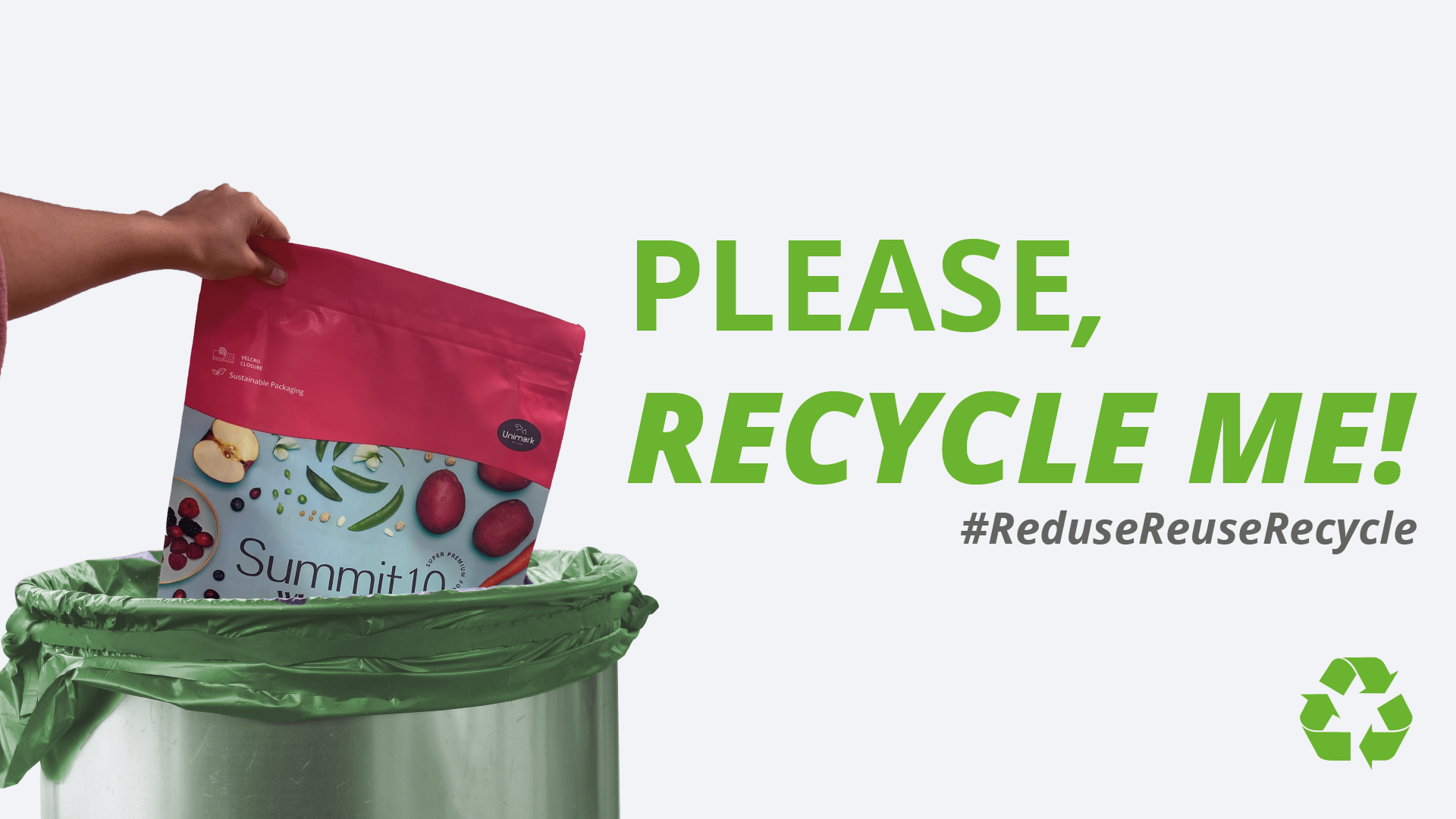
Opting for sustainable packaging is one of the most direct ways to care for the environment from home.
Our Commitment to Sustainability
At Summit 10, we understand sustainability as a real responsibility, not just a trend. That is why we work to reduce our environmental impact at every stage.
What We Do to Care For The Planet
- We select locally sourced ingredients, reducing transport and emissions
- We optimise processes to avoid waste
- We are committed to recyclable packaging and its continuous improvement
- We eliminate unnecessary ingredients and superfluous additives
- We design products with their total impact in mind
Our objective is clear: to offer quality without compromising the future of the planet.
How you Can Contribute as a Consumer
Caring for the environment does not require great sacrifices. Small daily decisions make a difference.
Simple actions:
- Choose committed and transparent brands
- Recycle packaging correctly
- Prioritise products with less packaging
- Inform yourself before buying
- Commit to responsible consumption
Every purchase is a way of voting for the kind of world we want.
Advantages of Choosing Sustainable Brands
Choosing responsible brands not only benefits the planet, but also the consumer.
- Greater trust and transparency
- Higher quality products
- Lower environmental impact
- Consistency with personal values
- Active contribution to a better future
Sustainability is a long-term investment for everyone.
Frequently Asked Questions
Is a Sustainable Brand Always More Expensive?
No. Many brands optimise resources and processes, allowing them to offer competitive prices without compromising their environmental commitment.
Is Sustainable Packaging Enough to be Responsible?
No. Packaging is important, but it must be accompanied by responsible ingredients and consistent processes.
How do I Know if a Brand is Truly Sustainable?
Look for clear information, concrete actions and consistency. Responsible brands explain what they do without hiding anything.
Conclusion
Sustainability and caring for the environment begin with conscious decisions. Choosing responsible brands is a direct way to protect the planet without compromising on quality. At Summit 10, we work every day to reduce our impact and offer products that are aligned with a more respectful future.
Caring for the environment is not an option, it is a shared responsibility.