
Spaying your female cat is one of the most important decisions you can make for her health and wellbeing. Although it is a very common procedure in veterinary medicine, many pet owners arrive on the day of the surgery feeling anxious, confused, and overwhelmed by conflicting information.
When is the best time to spay a cat? What risks are involved? What will recovery be like? Will she gain weight afterwards? What should you ask your veterinarian before booking the surgery?
In this guide, we explain everything you need to know about the spaying process – from preparation before the surgery to post-operative care and the nutritional changes you should consider afterward.
What Does It Mean to Spay a Female Cat?
Spaying is a surgical procedure that involves the total or partial removal of the internal reproductive organs. In female cats, this usually means removing the ovaries and, in many cases, the uterus as well. Technically, this procedure is called an ovariohysterectomy (OVH).
It is highly recommended in most cases because it provides multiple benefits:
- Prevents unwanted litters.
- Reduces the stress associated with heat cycles.
- Lowers the risk of mammary tumors.
- Prevents serious conditions such as pyometra (uterine infection).
- May improve certain behaviors related to heat cycles or marking.
However, it is also important to understand that spaying causes hormonal and metabolic changes that directly affect your cat’s nutritional requirements and lifestyle.
Before the Surgery: Everything You Need to Know
– What Is the Best Age to Spay a Female Cat?
The ideal age may vary depending on the individual case and your veterinarian’s recommendation, but spaying is generally advised before the first heat cycle, usually around six months of age.
The most important thing is that your cat is healthy and has undergone a complete veterinary examination beforehand.
– What Tests Are Usually Done Before Surgery?
Before the operation, many veterinary clinics recommend:
- General physical examination
- Pre-surgical blood tests
- Cardiac evaluation if heart issues are suspected
- Weight and body condition assessment
These tests help minimize anesthesia-related risks.
– What Should You Ask the Veterinarian Before Booking the Surgery?
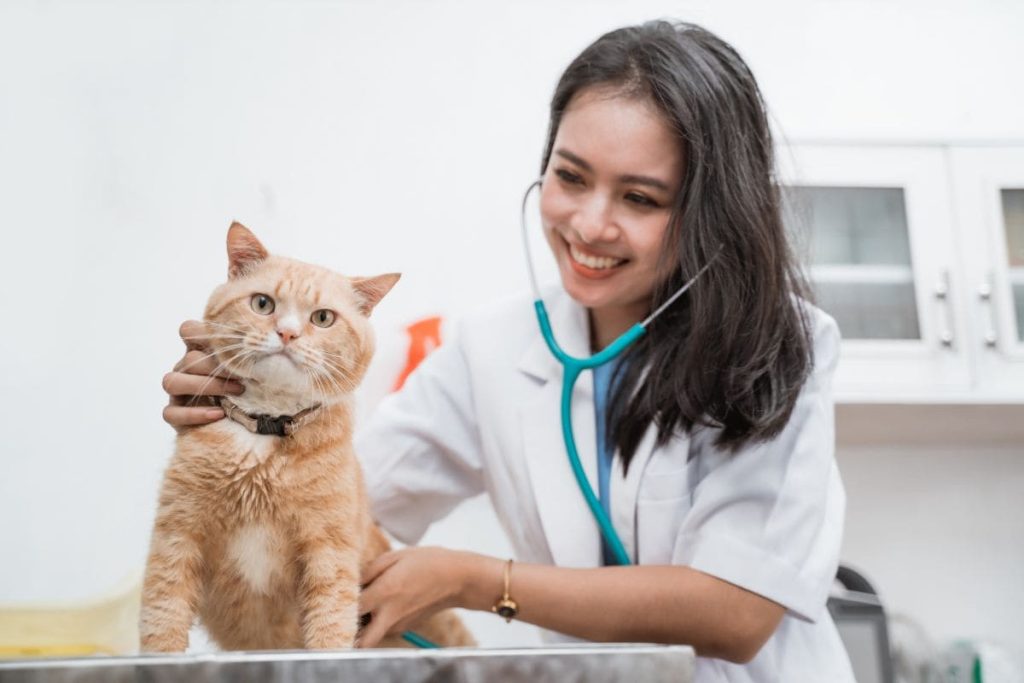
Many pet owners are unsure about which questions they should ask beforehand. Here are some important ones:
About the Procedure
- Which surgical technique will be used?
- Does the surgery include removal of both ovaries and uterus?
- How long will the procedure take?
- What type of anesthesia will be used?
Safety
- Will anesthetic monitoring be performed?
- What pre-operative tests are included?
- What risks exist based on my cat’s age or health condition?
About Recovery
- Will she need and Elizabethan collar or recovery suit?
- When can she eat again?
- What warning signs should I monitor?
About Pricing
- What exactly is included in the quote?
- Is post-operative medication included?
- Are follow-up visits charged separately?
The Surgery: What Really Happens on the Day
The day of the surgery usually begins with several hours of fasting, according to your veterinarian’s instructions.
Once at the clinic:
- Admission and pre-surgical examination are performed.
- Anesthesia is administered.
- Vital signs are monitored throughout the procedure.
- The spay surgery is carried out.
- Your cat stays in recovery until she wakes up properly.
The procedure is generally quite quick, and most cats return home the same day.
– Is Spaying Dangerous?
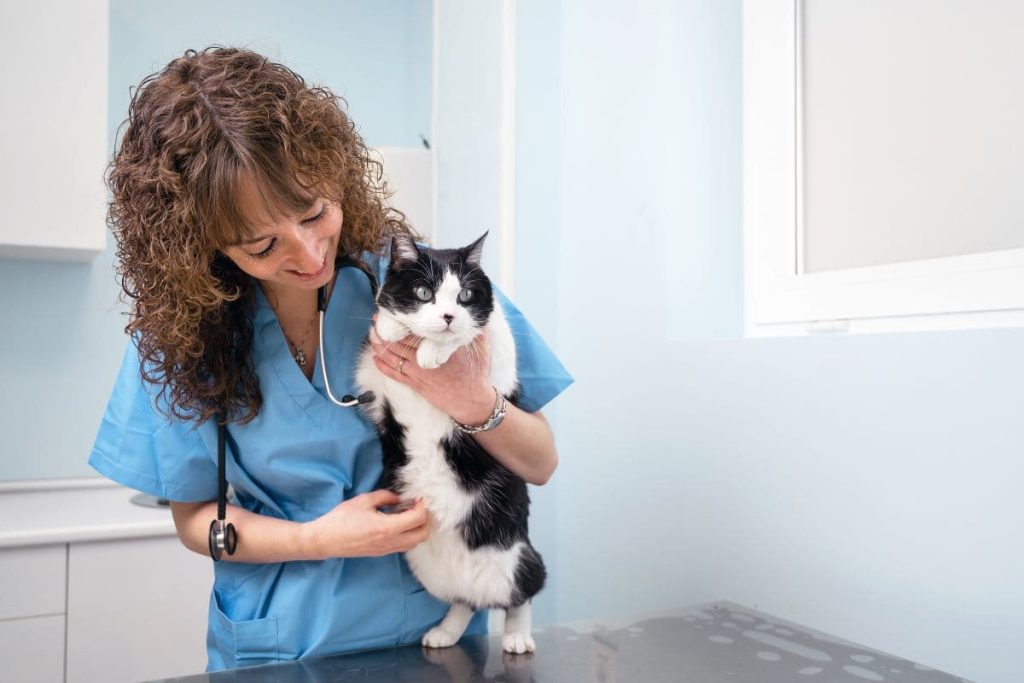
Although every surgery carries some risk, spaying a female cat is a very common and generally safe procedure when proper protocols are followed.
Anesthetic and surgical risks are significantly reduced when:
- Pre-operative tests are performed.
- The cat is healthy.
- Proper monitoring is used.
- Post-operative care instructions are followed carefully.
Recovery After Surgery
– The First 24 Hours
It’s normal for your cat to:
- Be quieter or sleepier than usual.
- Have a reduced appetite.
- Want to rest.
- Walk somewhat unsteadily at first.
She should remain in a calm, clean, and safe environment.
– Basic Post-Operative Care
Monitor the Incision
Check daily to ensure there is:
- No excessive swelling.
- No secretion.
- No bleeding.
- No opening of the stitches.
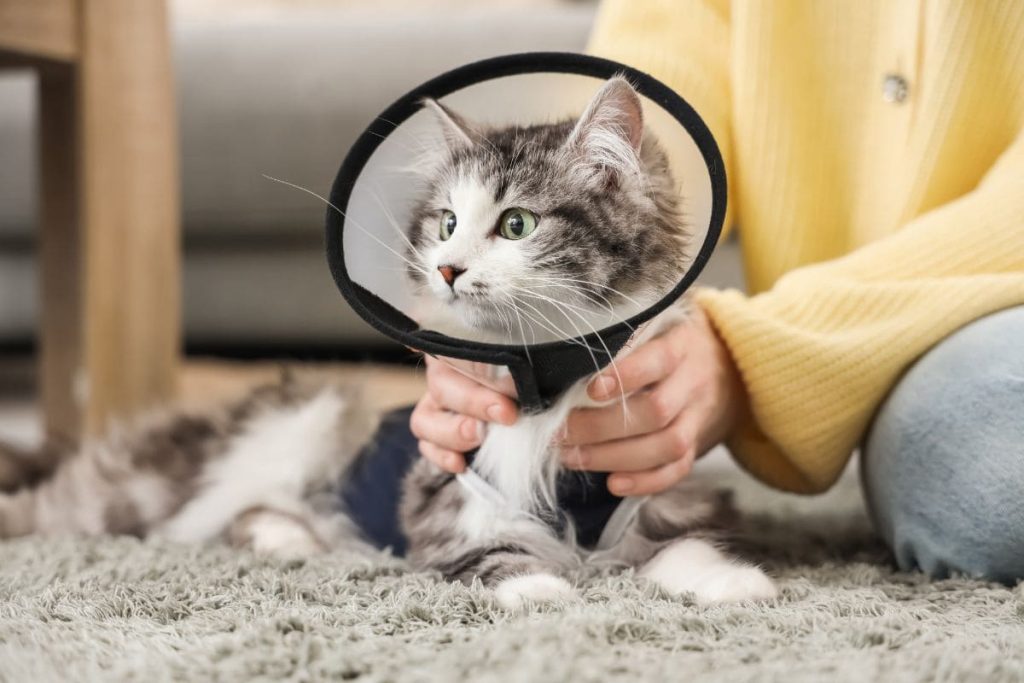
Prevent Licking
Many cats try to lick the surgical area, so your veterinarian may recommend:
- An Elizabethan collar.
- A post-surgical recovery suit.
Limit Intense Activity
For several days, avoid:
- Sudden jumping.
- Intense play sessions.
- Outdoor access.
– Warning Signs: When to Contact the Veterinarian
Contact your veterinarian if you notice:
- Repeated vomiting.
- Complete loss of appetite.
- Bleeding.
- Open wounds.
- Fever.
- Extreme lethargy.
- Difficulty breathing.
How Much Does It Cost to Spay a Female Cat?
The price can vary considerably depending on:
- The city or veterinary clinic.
- Pre-operative testing.
- The type of anesthesia used.
- Monitoring during surgery.
- Included medication.
The cost often includes:
- Surgery.
- Anesthesia.
- Short hospitalization.
- Basic bloodwork.
- Post-operative medication.
- Follow-up examination.
However, not all clinics include every service, so it is important to request a detailed breakdown before booking.
What No One Tells You: Changes After Spaying
This is where many pet owners are surprised.
After spaying, hormonal changes occur that affect metabolism, appetite, and physical activity.
– The Risk of Obesity Increases Significantly
After a female cat is spayed, the following commonly occur:
- Reduced physical activity.
- Lower energy expenditure.
- Increased appetite.
This combination strongly promotes weight gain.
In fact:
- In cats, the risk of obesity can increase up to threefold.
And weight gain is not just a cosmetic issue – it also increases the risk of diabetes, joint problems, and urinary diseases.

– The risk of Urinary Problems Also Increases
In overweight spayed cats:
- They move less.
- They drink less water.
- They urinate less frequently.
This causes urine to remain concentrated in the bladder for longer periods, increasing the risk of urinary crystals and stones.
Some important figures:
- The risk of calcium oxalate stones can increase up to 7 times.
- The risk of struvite stones can increase up to 3.5 times.
The Importance of Switching to Food for Sterilized Cats
After spaying your cat, nutrition becomes especially important.
Specific diets for sterilized cats are formulated to adapt to their new metabolic requirements.
What Should Good Food For Sterilized Cats Include?
Lower Calorie and Fat Content
Helps prevent weight gain.
Higher Fiber Content
Promotes satiety and helps control appetite. Furthermore, it reduces the digestibility of energy nutrients.
High Protein Content
Important for maintaining muscle mass after sterilization.
L-Carnitine
Supports the use of fat as an energy source.
Urinary Support
Many formulas help:
- Maintain an appropriate urinary pH.
- Support urinary tract health.
Is Wet Food Recommended?
Yes, especially for cats.
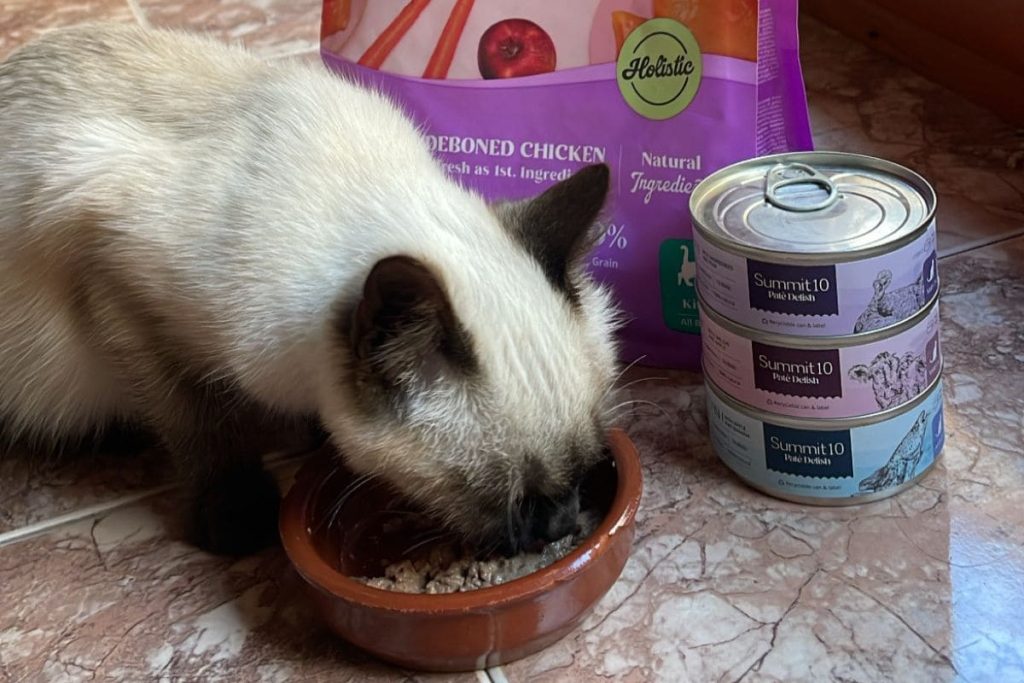
Wet food:
- Increases water intake.
- Helps dilute urine.
- May improve satiety.
- Helps reduce urinary risk.
Be Careful with Free-Feeding
Many sterilized cats lose the ability to self-regulate food intake properly.
For this reason, after spaying your cat, it is advisable to:
- Control portions.
- Adjust calorie intake.
- Monitor body weight regularly.
Exercise Is Also Part of the Treatment
Nutrition is not everything.
Especially for indoor cats, it is important to:
- Encourage vertical movement.
- Use scratching posts and shelves.
- Introduce interactive toys.
- Stimulate daily play sessions.
Maintaining physical activity greatly helps prevent obesity after sterilization.
Conclusion
Spaying a female cat is a decision that can significantly improve her health and quality of life, but it also involves important changes that we need to understand and manage properly.
The surgery in only the beginning: recovery, weight management, hydration, and an adapted diet will al be essential to keeping you cat healthy for many years.
And that is precisely why switching to a specific food for sterilized cats is not just a luxury – it is a fundamental tool for preventing obesity, urinary problems, and metabolic disorders after surgery.
Discover our recipes for sterilized cats:
- Summit 10 Whole Choice Adult Cat Neutered
- Summit 10 Life Stages Adult Cat Light & Sterilized Chicken, Fish & Rice
Frequently Asked Questions (FAQs)
How Long Does It Take for a Spayed Cat to Recover?
Most female cats start feeling much better within 24 to 48 hours after surgery, although full recovery usually takes between 7 and 10 days. During this time, it is important to monitor the incision, limit jumping, and follow all veterinary instructions carefully.
Is It Normal for My Cat to Gain Weight After Being Spayed?
Yes. After spaying, hormonal changes can reduce energy expenditure and increase appetite. As a result, the risk of obesity increases considerably if diet and activity levels are not adjusted. Switching to a specific food for sterilized cats and controlling portions helps prevent excess weight gain.
When Should I Switch to Food for Sterilized Cats?
It is generally recommended to make the switch shortly after sterilization, always following your veterinarian’s advice. These diets are specifically formulated to adapt to the cat’s new metabolic needs, helping control weight and maintain good urinary health.