How can I tell if my cat is pregnant? Knowing the answer is not always obvious in the early days. Unlike other animals, the initial changes can be very subtle, which often creates uncertainty for many caregivers. That’s why understanding how pregnancy progresses week by week will help you detect signs even before visiting the veterinarian.
Feline gestation lasts approximately 63 to 67 days, or about 9 weeks. Below, we explain what you can observe at each stage.
But just as important as detecting pregnancy is how you care for your cat during this process. Proper nutrition, adapted from the beginning and maintained throughout lactation, is key to ensuring the mother’s wellbeing and the optimal development of the kittens.
How can I tell if my cat is pregnant?
Week 1-2: Invisible Changes
During the first two weeks, it is almost impossible to confirm pregnancy with the naked eye.
Internally, fertilization has already occurred and embryos begin to develop, but externally:
- There are no visible physical changes
- Behavior remains normal
- Appetite shows little to no variation
Some cats may become slightly calmer or more affectionate, but these signs are too subtle to draw conclusions.
At this stage, observation is important – but not definitive.
Week 3-4: The First Clear Signs
This is when the first recognizable signs begin to appear
Physical changes
- Nipples become pinker and more visible
- Slight weight gain may occur
Behavioral changes
- Increased need for attention
- Increased appetite
- Mild nausea episodes
This is when many caregivers begin to strongly suspect pregnancy, and it can already be clinically confirmed.

Week 4-6: Pregnancy Becomes Evident
At this stage, the cat’s body starts to change more noticeably.
Physical changes
- Abdomen begins to round
- More noticeable weight gain
- Progressive development of mammary glands
Behavioral changes
- Calmer demeanor and reduced activity
- Greater need for rest
- Seeking comfortable spaces
At this point, it becomes much easier to tell if your cat is pregnant, as the signs are more visible.
Week 7-10: Preparing for Birth
In the final stage of pregnancy, the changes are very clear.
Physical changes
- Significantly enlarged abdomen
- Fetal movement may be noticeable
- Milk production in later stages
Behavioral changes
- Nesting instinct (seeking quiet, safe places)
- May appear restless or more protective
- Reduced appetite close to delivery
This is a crucial time to prepare a calm and safe environment.

Veterinary Confirmation: When and Why It Matters
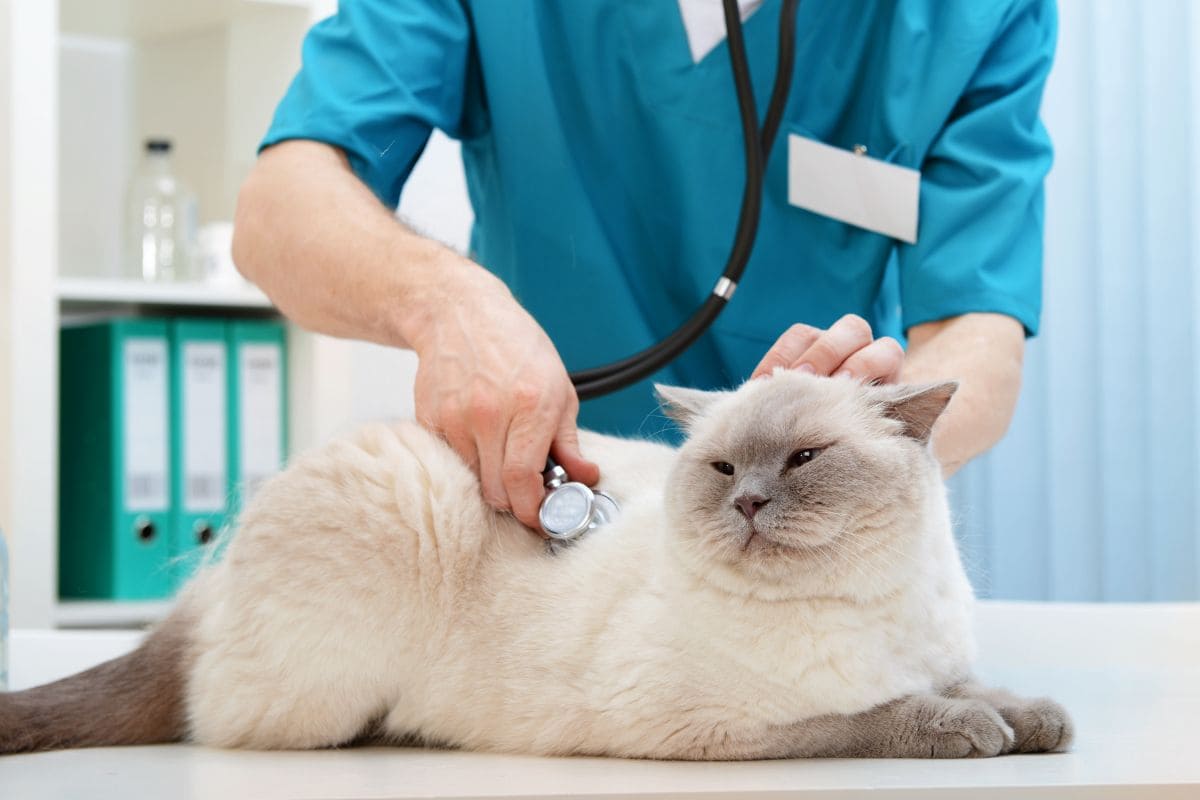
Although many signs can guide you, the only way to confirm pregnancy with certainty is by visiting a veterinarian.
Common methods include:
- Ultrasound
- X-ray (in more advanced stages)
In addition to confirming pregnancy, the vet can assess the health of both the mother and the developing kittens.
Nutrition and Care During Pregnancy
Nutrition in pregnant cats is not a secondary concern – it is one of the most important factors influencing the mother’s health, fetal development, and lactation success.
Before and from the Start of Pregnancy
Cats should ideally be fed a reproductive or kitten-specific diet even before becoming pregnant, as it improves conception and increases fetal survival.
Once pregnancy begins:
- Food intake should increase from the very beginning, as weight gain is linear and continuous until birth
- If not done earlier, the diet should be switched within a few days after conception (to a kitten or reproduction formula)
During Pregnancy
Energy requirements increase progressively throughout gestation, so food should be offered ad libitum (free access) from the beginning, except in overweight or obese cats.
Preparing for Lactation
The pregnant cat strategically builds energy reserves:
- She will lose only about 40% of the weight gained during pregnancy at birth
- The remaining 60% will be used during lactation
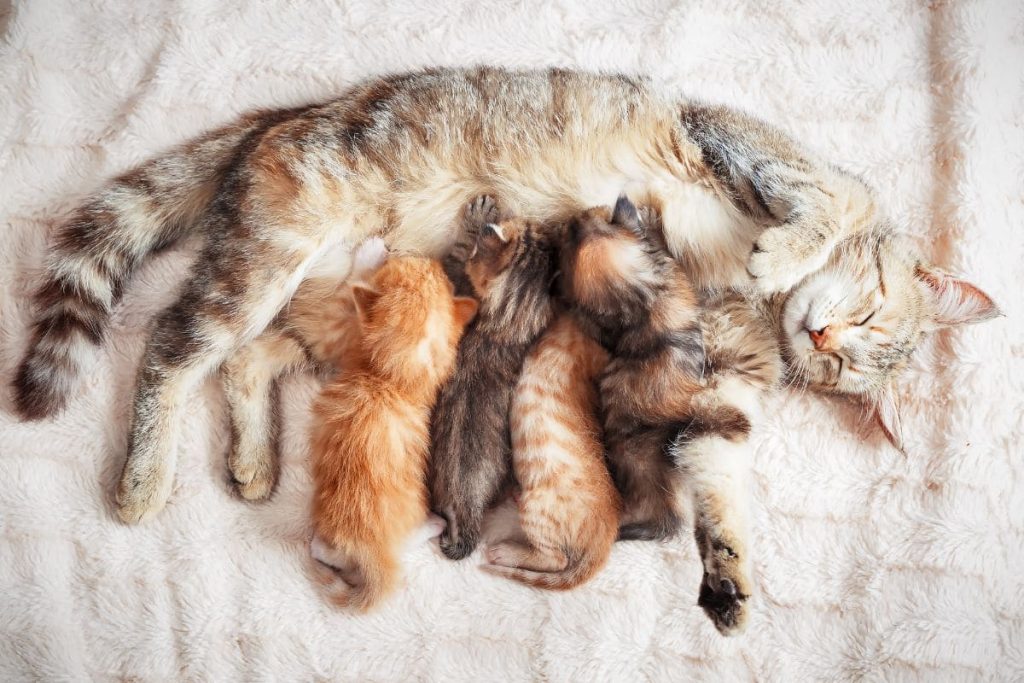
This is crucial because during lactation, even with increased food intake, she will not be able to meet all energy demands through diet alone and will need to mobilize body reserves.
Conclusion
Detecting pregnancy in cats requires careful observation of progressive changes week by week. While it may go unnoticed at first, the signs become increasingly clear as pregnancy advances.
If in doubt, the best approach is to combine your observations with a veterinary visit and ensure proper nutrition from the very beginning.
Because taking good care of a pregnant cat also means caring for the future of her kittens.
Frequently Asked Questions (FAQs)
How can I tell if my cat is pregnant in the early weeks?
In the first weeks, it is difficult to detect visually, as there are no obvious physical changes. However, from weeks 3-4, signs such as pinker nipples, slight weight gain, or behavioral changes like increased affection or appetite may appear. Final confirmation should always be made by a veterinarian.
How long does a cat’s pregnancy last and when do changes appear?
A cat’s pregnancy lasts between 63 and 67 days (around 9 weeks). The first visible changes usually appear from weeks 3-4 and become more noticeable between weeks 4-6, when the abdomen begins to grow. In the final weeks, signs are very clear, including a significantly enlarged abdomen and nesting behavior.
What should a pregnant cat eat?
A pregnant cat needs a diet rich in high-quality proteins, fats, and essential nutrients. During this stage, energy requirements increase, so it is recommended to switch from a maintenance diet to a kitten or reproduction formula and offer it freely. Nutrients such as DHA, calcium, phosphorus, and folic acid are essential for proper fetal development and future lactation.