The cat is one of the most fascinating and enigmatic domestic animals. One of its most characteristic behaviors is purring – a soft, vibrating sound that is often associated with well-being, but actually has multiple meanings and functions. In this article, we explain why cats purr, the cat purring meaning and how it relates to their overall and well-being.
What Exactly Is Purring?
Purring is a rhythmic vibration that cats produce primarily while breathing, both during inhalation and exhalation. It is generated by the contraction of the muscles of the larynx, which causes the vocal cords to open and close rapidly, creating that distinctive soft and continuous sound.
For a long time, purring was thought to be solely a sign of pleasure, but today we know that it is a much more complex mechanism with physical and emotional implications.
Moreover, not all felines have the ability to purr. This gentle vibration is mainly found in domestic cats and some smaller wild felines. There is an interesting anatomical difference between felines that purr and those that can roar, such as lions and tigers.
The key lies in a small bone located within the structure of the larynx, known as part of the hyoid apparatus. In large roaring felines, this bone is more flexible, allowing them to produce powerful roars. In contrast, in domestic cats, this bone is fully ossified (hardened), which limits their ability to roar but facilitates the production of the soft vibrations characteristic of purring during both inhalation and exhalation.
This anatomical difference explains why, in general terms, felines that can roar do not purr in the same way as domestic cats, and vice versa.
Main Reasons Why Cats Purr
Happiness and Well-Being
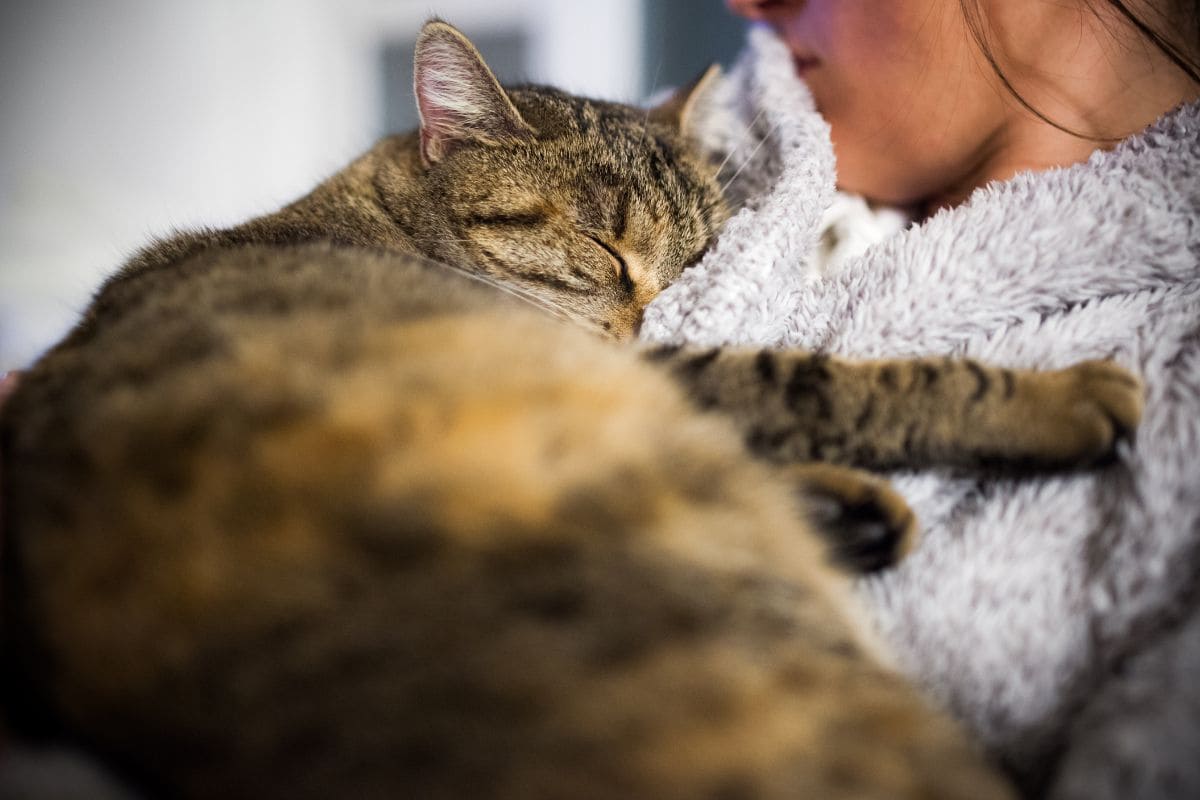
The most well-known cause is contentment. Cats often purr when they:
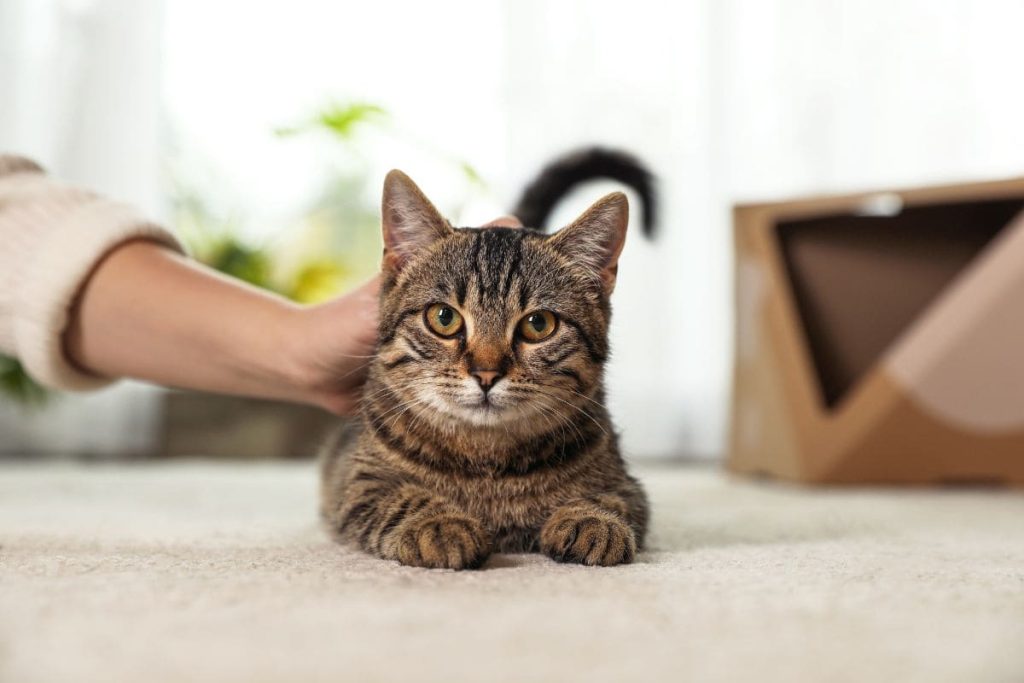
- Are being petted
- Feel safe and secure
- Are resting comfortably
- Are close to their caregiver
It is a form of positive communication and social bonding.
Communication with Their Mother
Newborn kittens begin purring within the first days of life. This helps them to:
- Communicate their presence to their mother
- Strengthen the emotional bond
- Feel protected during nursing
It’s a key tool in the early stages of their development.
Self-Soothing in Situations of Stress or Pain
Interestingly, cats also purr when they are:
- Frightened
- Ill
- In pain
In these cases, purring acts as a mechanism of emotional and physical self-regulation.
Possible Therapeutic Effect
It has been observed that the frequencies of purring may promote:
- Tissue regeneration
- Increased bone density
- Pain reduction
- Muscle relaxation
For this reason, many experts believe that purring is not only a form of communication but also a biological recovery mechanism.
Request for Attention or Needs
Many cats learn to purr when they want something, such as:
- Attention
- Play
- Food
In these cases, purring may be accompanied by other behaviors such as rubbing against people or softly meowing.
Purring and Overall Well-Being
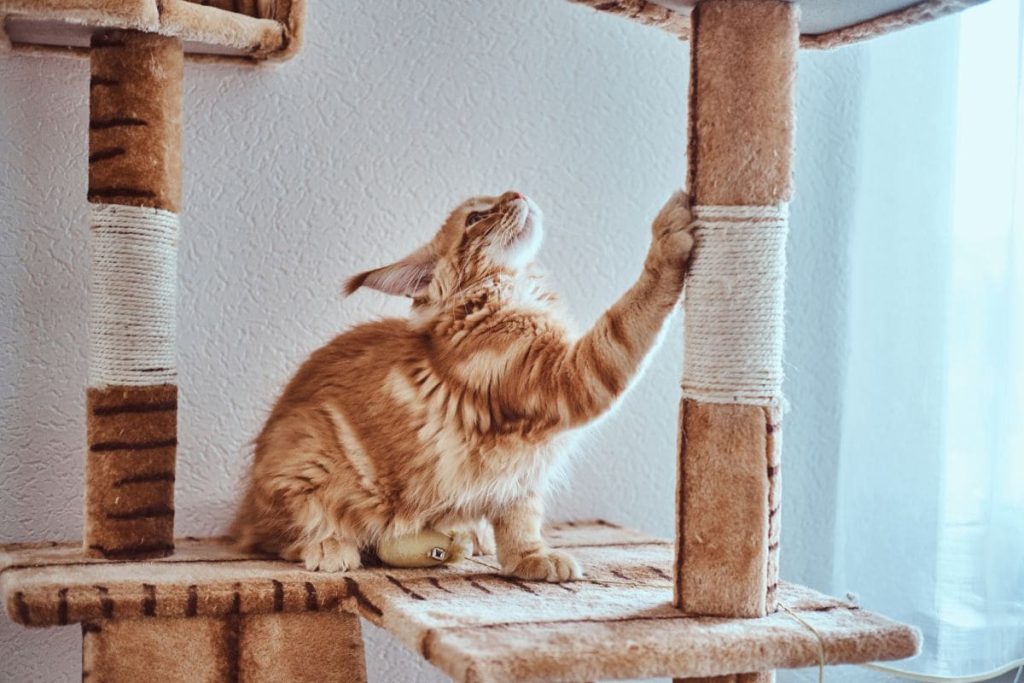
A cat’s emotional and physical state is closely related to its quality of life. A stable environment, a consistent routine, and a balanced diet contribute to making a cat more relaxed, active, and less prone to stress.
When a cat feels well cared for, it is more likely to express behaviors associated with well-being, such as purring.
Should I Be Concerned If My Cat Doesn’t Purr?
Not necessarily. Some cats purr frequently, while others rarely do. This depends on:
- Their personality
- Their environment
- Their stress levels
- Their relationship with people
The important thing is to observe their overall behavior, not just this single sound.
Possible Benefits of Purring for Humans
Beyond its significance for feline health, a cat’s purring may also offer several benefits for the people who live with them. The sound and vibrations produced during purring – typically within a frequency range of 25 to 150 Hz – have been associated with positive effects on the physical and emotional well-being of humans.
Stress Reduction and Relaxation
The gentle, rhythmic sound of a cat’s purr can have a calming effect on humans. Spending time with a purring cat may help lower stress levels, reduce anxiety, and promote a sense of emotional comfort. This soothing effect is one of the reasons why cats are often considered excellent companions for emotional support.
Cardiovascular Benefits
Some studies suggest that interacting with cats may contribute to improved cardiovascular health. The relaxing effect of purring can help lower blood pressure and heart rate, potentially reducing the risk of heart-related conditions.
Support for Emotional Well-Being
Living with a cat can enhance emotional health by reducing feelings of loneliness and promoting companionship. The act of petting a purring cat stimulates the release of “feel-good” hormones such as oxytocin and serotonin, which are associated with happiness and emotional stability.

Therapeutic Effects
The vibration frequencies of a cat’s purr overlap with ranges used in certain therapeutic treatments aimed at supporting tissue healing, reducing pain, and improving bone density. Although these effects are well documented in cats, their direct benefits for humans are still being studied.
Improved Sleep Quality
Many people report better sleep when a cat rests nearby and purrs. The consistent and soothing sound can create a tranquil environment, helping individuals fall asleep more easily and experience deeper rest.
Conclusion
Purring is a multifunctional behavior that goes far beyond simple happiness. It is form of communication, self-care, and a highly sophisticated emotional tool.
For cats to express their well-being naturally, it is essential to take care of all aspects of their daily lives: environment, affection, play, and nutrition.
Good nutrition helps keep them healthy, balanced, and happy. And a healthy cat is undoubtedly a calmer, more stable cat – one that is more likely to purr.
In addition to benefiting cats themselves, purring may also have positive effects on the people who share their lives, strengthening the emotional bond between humans and their feline companions.
Frequently Asked Questions (FAQs)
Do cats only purr when they are happy?
No. Although purring is often associated with well-being, cats may also purr when they are stressed, ill, or in pain as form of self-soothing.
Does a cat’s purring have benefits for humans?
Yes, a cat’s purring can have positive effects on people. Its sound and vibrations help reduce stress and anxiety, promoting relaxation and emotional well-being. Additionally, interacting with a purring cat may improve sleep quality and contribute to cardiovascular health. Although these benefits are promising, they should not be considered a medical treatment.
Is it normal for my cat to purr a lot?
Yes, it is completely normal. Some cats are more “expressive” than others. As long as their overall behavior is healthy, frequent purring is not a cause for concern.