With the arrival of autumn, many of us begin to notice certain changes: temperatures drop, the days get shorter, and our routines shift. But have you ever wondered how this season affects your dog or cat? One of the most common effects is shedding in dogs, which can become more intense during this time of year. You might also notice changes in their behaviour, an increase in appetite, or even a shift in their mood. Are they okay? Is there something we should be doing?
Physical and emotional changes in dogs and cats during autumn
Autumn is a transitional season that affects both the body and mood of our pets. These are the main changes you may notice:
Shedding in dogs and cats
One of the most noticeable changes is shedding in dogs and cats. During autumn, many animals lose their summer coat to prepare for winter. This is completely normal, but:
- It might seem excessive if you’re not used to it.
- It usually affects double-coated breeds more.
- Indoor cats can also shed quite a bit.
Tip: Brush them more frequently to avoid tangles, hairballs, and fur build-up around the house.
- Extra tip: Take the opportunity to check their skin. Brushing can help you detect parasites, wounds or unusual hair loss.
Changes in appetite
With the colder weather, many animals eat more, as their bodies need extra energy to maintain their body temperature. This change can be mild or more noticeable, depending on the animal’s lifestyle.
What should we do?
- Adjust food portions if you notice increased activity or if they spend more time outdoors.
- Avoid overfeeding if their activity level drops (for example, during rainy days when they move around less).
Mood changes
Just like humans, grey weather and shorter days can affect our pets’ mood. You might notice:
- Less energy or more sleep.
- A greater need for cuddles or, on the contrary, more independence.
- Changes in their play or walking routine.
Keys to supporting their emotional wellbeing:
- Maintain a stable routine.
- Provide mental stimulation through games, especially if they spend more time indoors.
- Encourage contact and companionship.
How to protect your pet’s health in autumn
Pay attention to temperature changes
Sudden temperature changes can promote the onset of respiratory illnesses, especially in:
- Puppies and kittens.
- Older animals.
- Small breeds or short-haired breeds.
Basic recommendations:
| Situation | What to do |
| Cold or rainy walks | Use dog coats, dry them thoroughly afterwards |
| Sleeping on the floor | Use raised beds or thermal blankets |
| Outdoor cats | Make sure they come inside and stay warm |
Beware of fleas and ticks
Although we tend to associate them with summer, fleas and ticks are still active in autumn, especially if temperatures do not drop too low.
- Check their skin and ears after walks or play in green areas.
- Keep deworming up to date even at this time of year.
A healthy and well-fed animal has better resistance to parasites and diseases.
Do you have to change your diet in autumn?
It is not always necessary, but it is necessary to adjust the amount or type of recipe if your energy needs change.
How do you know if changes need to be made?
- Does your dog get more exercise in autumn? You could choose a recipe with more protein and calories.
- Is he more sedentary? Opt for a lighter recipe to avoid overweight.
At Summit 10, our recipes are formulated to offer complete and balanced nutrition at every stage, with highly digestible ingredients such as fresh chicken, fresh lamb or fresh salmon, ideal for keeping their immune system strong during the changing seasons.
Warning signs: when to visit the vet
Autumn can accentuate certain ailments. Pay attention to these signs:
- Frequent coughing, sneezing or persistent snot.
- Lameness when the temperature drops (osteoarthritis in older dogs).
- Prolonged apathy or refusal to eat.
Better to be safe: a routine check-up at the beginning of autumn can help you detect problems early.
Autumn activities to enjoy with your furry friend
It’s not all about prevention. Autumn also brings special moments to enjoy together:
- Hiking on cool days, with fewer people and beautiful landscapes.
- Play sessions at home with blankets, boxes or tunnels.
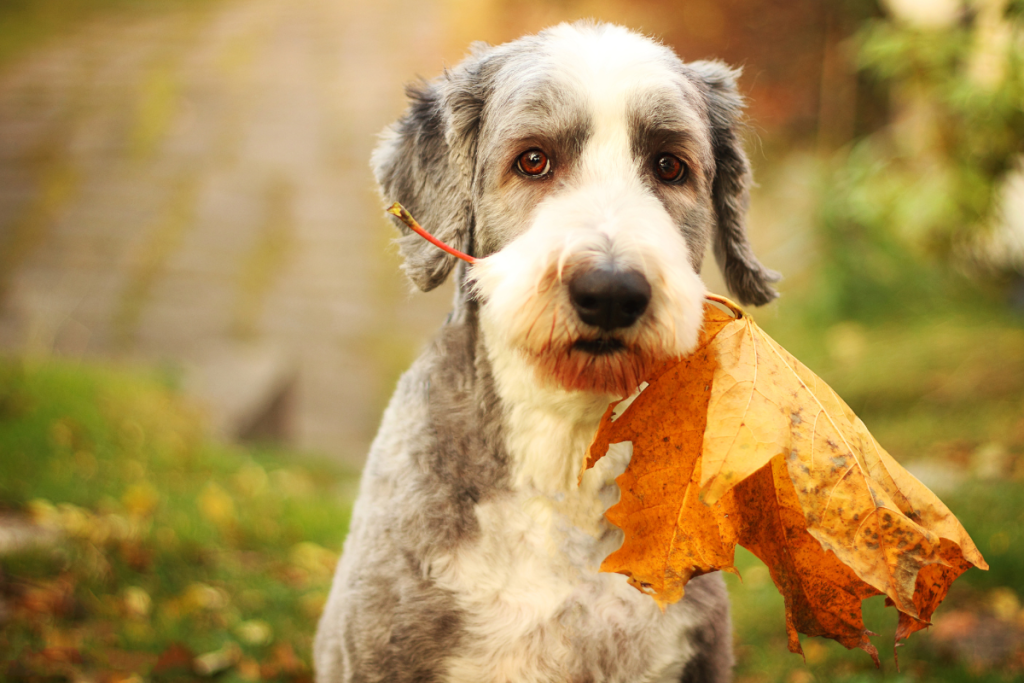
- Autumn photos among dry leaves (adorable and perfect for networking!).
Frequently Asked Questions (FAQs)
Is it normal for my dog to sleep more in autumn?
Yes, as daylight hours decrease, it is common for dogs and cats to become quieter and sleep more. Make sure there are no other symptoms such as general listlessness or lack of appetite.
Can I bathe my dog in autumn?
Yes, but drying must be complete and quick to avoid catching a cold. Use a hairdryer and avoid very cold or wet days.
Should I give supplements in autumn?
It’s not mandatory if your pet eats a complete and balanced food. At Summit 10, our recipes include functional ingredients such as fruits, vegetables, prebiotics, probiotics and antioxidants, which support the immune system without the need for additional ingredients.
CONCLUSION
Autumn can bring certain challenges for our pets, but it is also a great opportunity to strengthen the bond with them and proactively care for their health. Observing, adapting your routine and providing good nutrition will make all the difference.
If you are looking for a food that adapts to their seasonal needs, with quality ingredients and formulations designed for their wellbeing, discover the Summit 10 recipes. Because your furry friend deserves the best, in every season of the year.