Dehydration in dogs and cats is more common in summer than most owners think. Some pets suffer badly in high temperatures without showing obvious signs until it’s too late. By the end of this article, you’ll know which ones are most at risk, how to spot the warning signs early and everything you need to keep your pet safe and hydrated all summer long.
Why Staying Hydrated Is More Important In Summer
In summer, pets lose fluids more quickly. Dogs regulate their body temperature mainly by panting, which results in a constant loss of water. Cats sweat through their paw pads and also pant when the heat is extreme, although this is less obvious.
Mild dehydration can turn into heatstroke in a matter of minutes, especially on extremely hot days or in enclosed spaces with no ventilation.
Signs of Dehydration in Dogs And Cats
Recognising the symptoms early on makes all the difference between a simple solution and a veterinary emergency.
| Symptom | Dogs | Cats |
| Dry or sticky gums | ✓ | ✓ |
| Loss of skin elasticity | ✓ | ✓ |
| Lethargy or apathy | ✓ | ✓ |
| Dark or scanty urine | ✓ | ✓ |
| Excessive panting | ✓ | Only in extreme heat |
| Sunken eyes | ✓ | ✓ |
Skin test: gently pinch the skin on your pet’s back and release it. If it takes more than a second to spring back into place, your pet may be dehydrated. If you have any concerns, consult your vet.
How Much Water Does Your Pet Need in Summer?
As a general guide, a dog needs approximately 50 ml of water per kilogram of body weight per day under normal conditions. In summer, this amount can increase significantly depending on activity levels and temperatures.
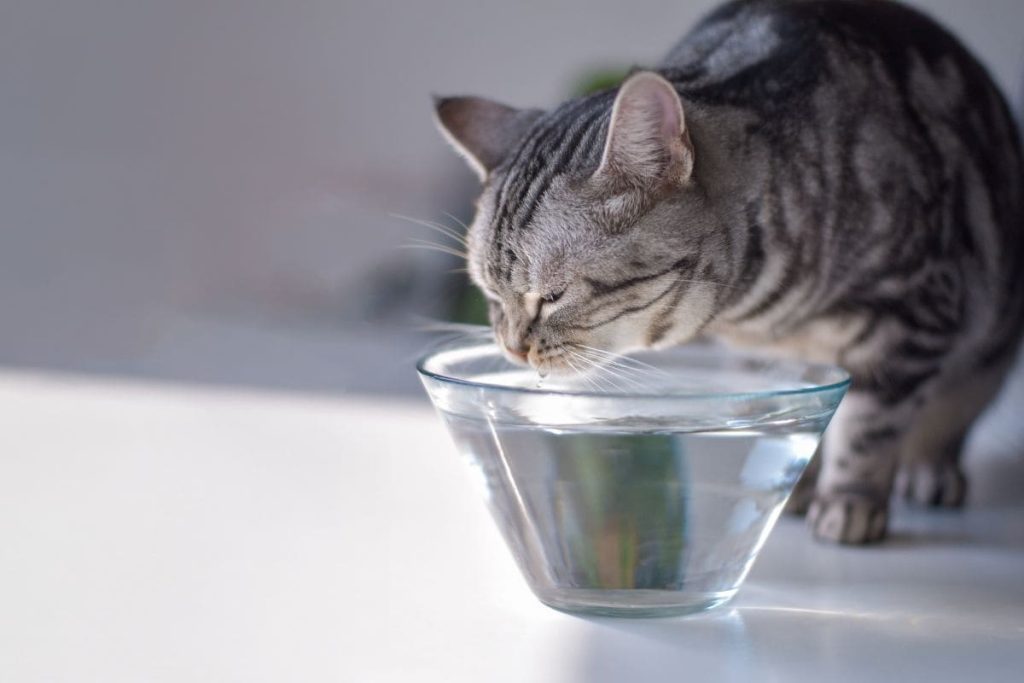
Cats, by nature, drink less water spontaneously, which makes them particularly vulnerable to dehydration when they are fed only dry food.
8 Tips For Keeping Your Pet Hydrated in Summer
Fresh water available at all times
It seems obvious, but it’s not as straightforward as it sounds. The water must always be clean, fresh and in a stable container. Change the water at least twice a day in summer. Stainless steel or ceramic bowls keep the water cooler than plastic ones.
If you have several pets at home, provide several water bowls in different places.
Include wet food in their diet
This is the most effective yet least commonly used method. Wet food contains between 70% and 80% water, making it a very significant source of hydration, especially for cats.
At Summit 10, we offer the Paté Delish range, made with 92% fresh meat or fish as the first ingredient, available for both dogs and cats. It’s a delicious and nutritious way to increase your pet’s fluid intake without them having to actively drink more water.
Combine dry and wet food
If your pet is used to dry food, there’s no need to stop feeding it. You can mix it with wet food or add a little warm water to the dry food to increase its moisture content without disrupting their feeding routine too much.
Our Whole Choice Senior / Light or Life Stages Senior / Light are formulated with high-quality natural ingredients and can be easily combined with Patè Delish to create a complete, more hydrating diet for the summer.
Avoid going for walks during the hottest part of the day
Don’t take your dog out between 12 noon and 5 pm on very hot days. The tarmac can reach temperatures of over 60 °C and burn their paw pads. Go for a walk in the early morning or late afternoon instead.
Always take water with you on walks
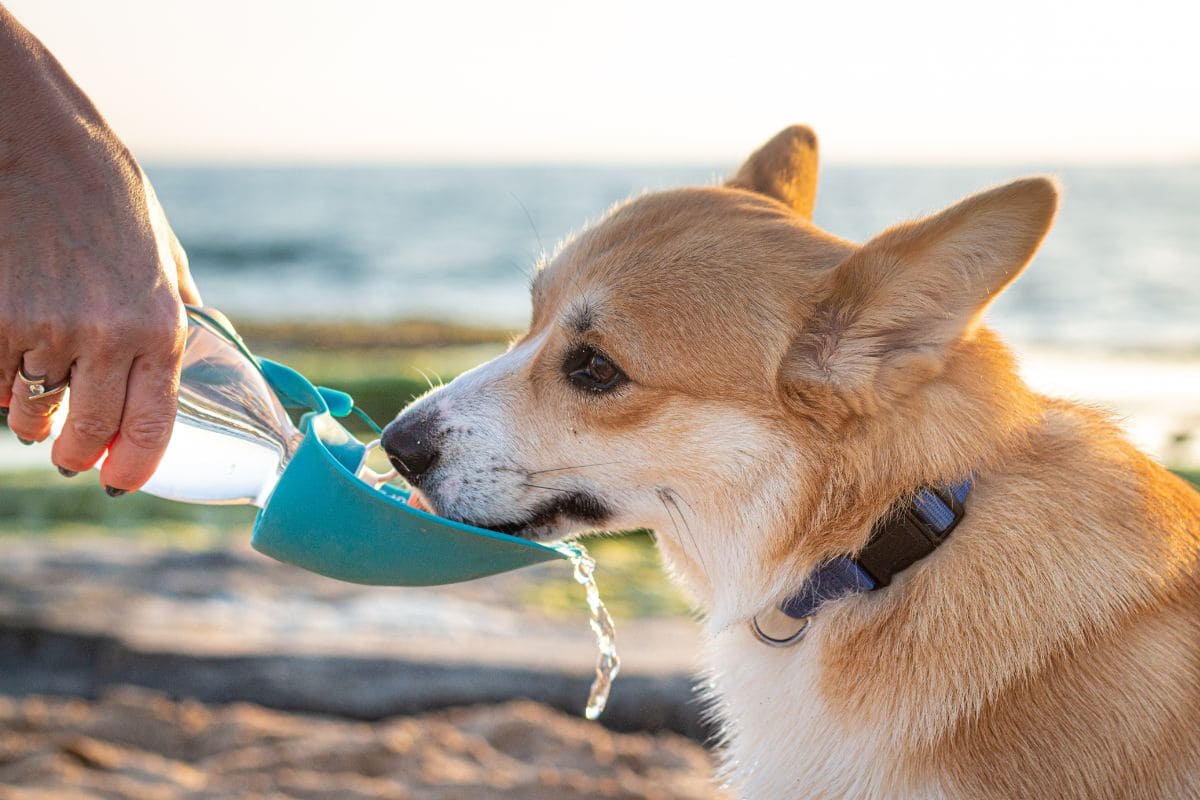
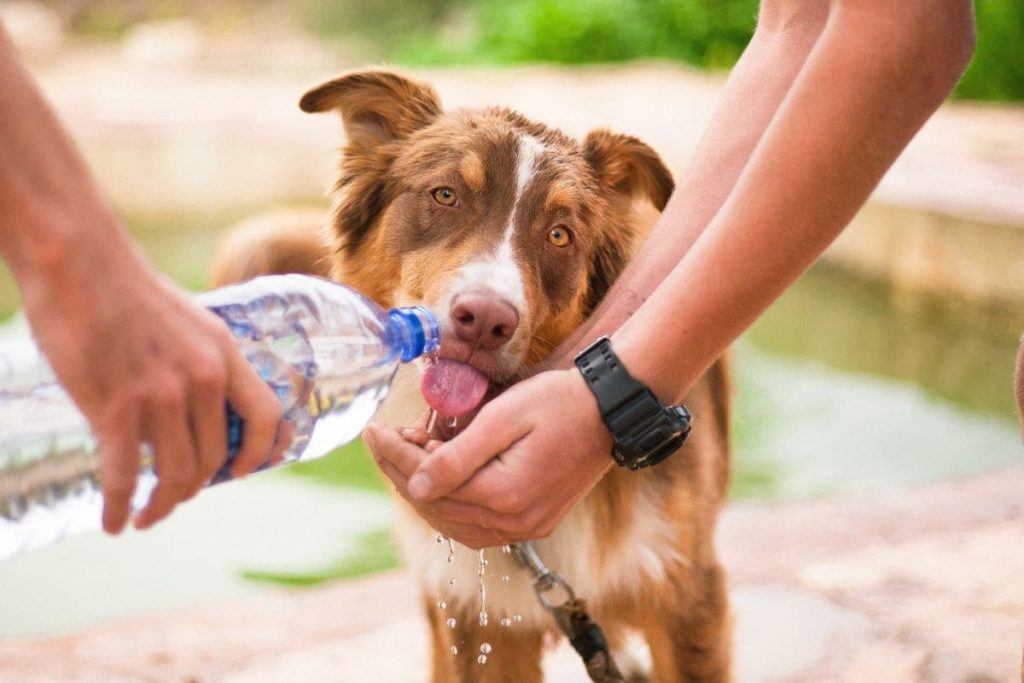
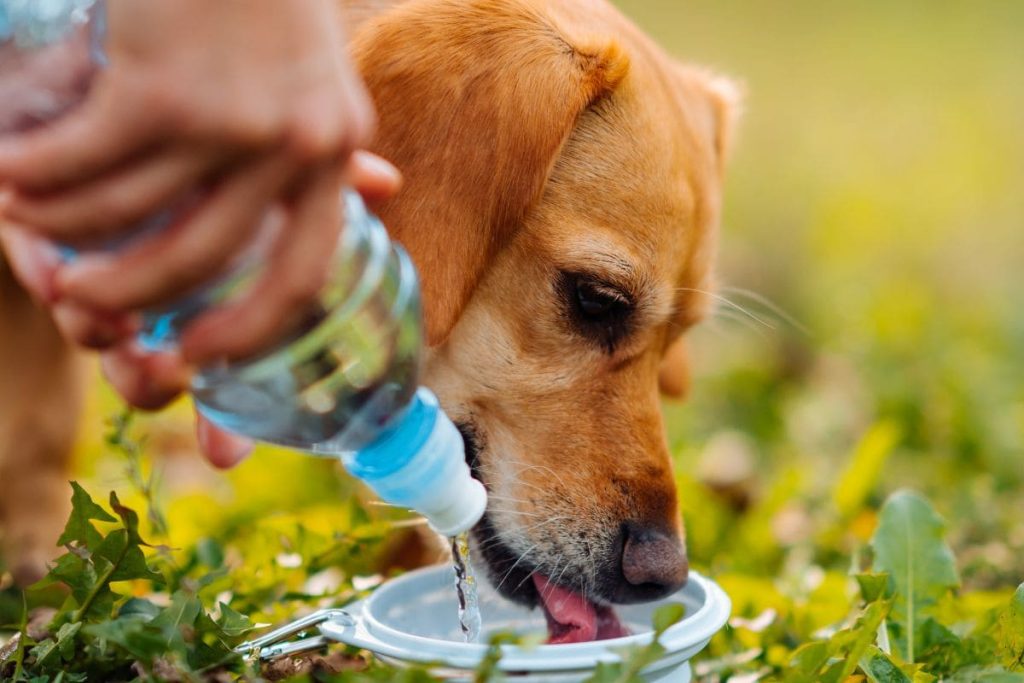
Whenever you go out in the summer, always take water and a portable water bowl with you. Offer your dog water every 15–20 minutes whilst out and about, especially if it’s hot.
Create cool spots in your home
- Dogs and cats: make sure they have access to shaded and well-ventilated areas at all times.
- Fans or air conditioning: these help to regulate the room temperature.
- Never leave your pet in a locked car, not even for a few minutes. The temperature inside can rise to life-threatening levels in a matter of minutes.
Offers hydrating snacks
Some fruits and vegetables are safe and very hydrating for dogs:
| Food | Water content | Insurance for |
| Watermelon (seedless and rindless) | ~92 % | Dogs |
| Cucumber | ~96 % | Dogs |
| Carrot | ~88 % | Dogs and cats |
| Melon (seedless) | ~90 % | Dogs |
Always consult your vet before introducing new foods, especially for cats.
Keep a close eye on high-risk pets
Some animals are more vulnerable to heat and dehydration:
- Brachycephalic breeds (Bulldog, Pug, Persian): their anatomy makes breathing and panting difficult.
- Senior dogs and cats: their ability to regulate their body temperature decreases with age.
- Overweight pets: they generate more body heat and become dehydrated more quickly.
- Animals with kidney or heart conditions: they require extra veterinary supervision in the summer.
The Pet That Suffers Most In The Summer Without You Even Realising It
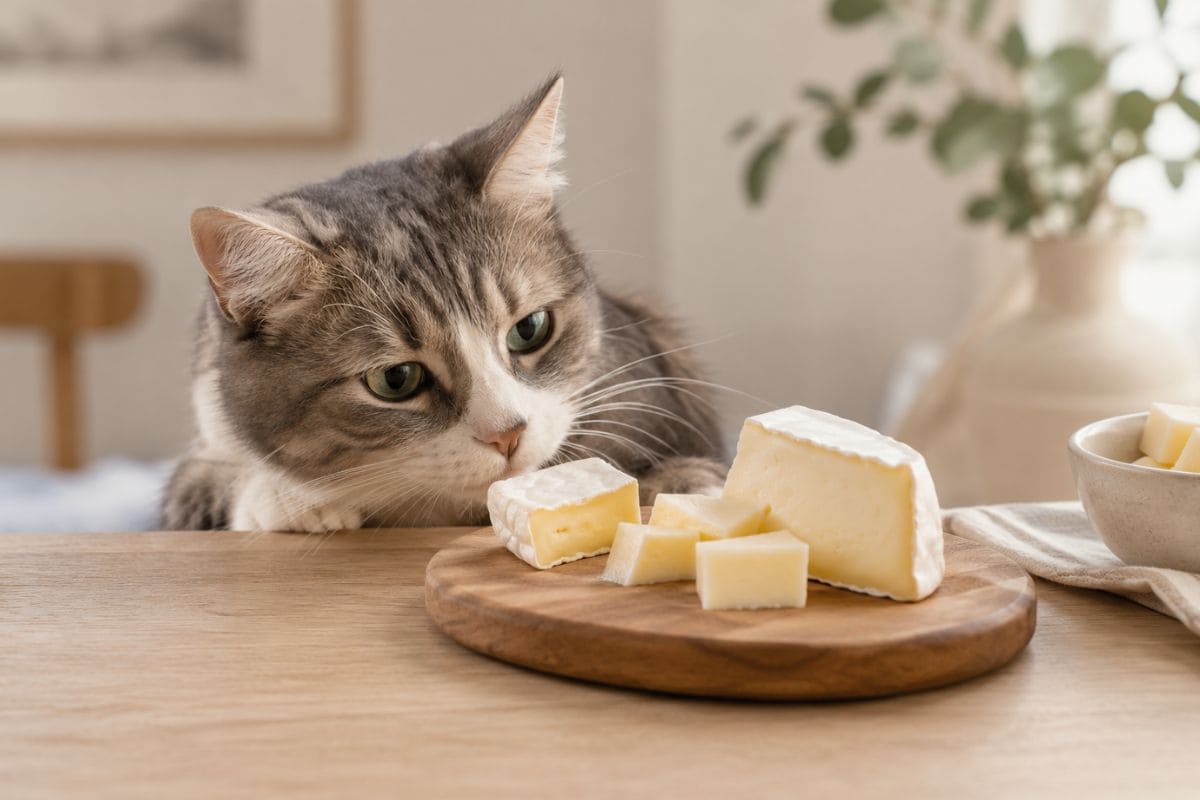
And here’s what we promised at the start: the indoor cat that only eats dry food.
Cats are animals of desert origin and have a low instinct to drink water. Evolutionarily speaking, they obtained most of their hydration from the prey they hunted, which contains between 70 and 80 per cent water. When they eat only dry food, that source of hydration disappears. And in summer, with high temperatures, the risk of dehydration and kidney problems increases significantly.
The simplest and most effective solution is to include wet food, even if only once a day. Our Pate Delish are made with natural ingredients, contain no artificial preservatives or colourings, and have a nutritional profile designed to meet the actual needs of adult cats.
Frequently Asked Questions (FAQs)
Can I add ice to my pet’s water in summer?
Yes, in small quantities it poses no risk. Some dogs really enjoy very cold water or even ice cubes as a treat. However, if your pet is feeling very hot, don’t give them ice-cold water all at once, as this can cause a muscle spasm in the oesophagus. Cool water is best, not ice-cold.
How often should I change my pet’s water in summer?
At least twice a day, and whenever the bowl contains food scraps, dirt or the water smells off. In summer, the heat accelerates the growth of bacteria in stagnant water. If your pet is very fussy about its water, consider a filtered water bowl, which keeps the water moving and more oxygenated.
Can wet food completely replace dry food in the summer?
It can be a perfect complement, but the decision to make a complete switch should be discussed with your vet. In any case, combining dry food with wet food is a very effective way of increasing hydration without sacrificing the benefits of dry food, such as dental hygiene and nutritional density.
Conclusion
Keeping your pet hydrated in summer isn’t difficult, but it does require constant attention and small adjustments to their daily routine. Always having water available, providing high-quality wet food, adapting walk times to suit the heat, and keeping an eye out for signs of dehydration are the key elements.
And if there’s one change that makes the biggest difference with the least effort, it’s adding wet food to their diet. At Summit 10, you’ll find a selection of pâtés made with natural, top-quality ingredients, designed to keep your pet well hydrated even on the hottest days of the year.