Do you really know how many of the plants in your home could harm your pet? Most owners think that only exotic or rare plants are dangerous. But some of the most toxic ones for dogs and cats are sold in any local flower shop and decorate millions of homes. This guide helps you identify them, recognise the warning signs and choose completely safe alternatives.
Why Pets and Flowers Don’t Always Get Along
Dogs and cats are naturally curious animals. They sniff, chew and sometimes ingest parts of plants without us even noticing. The problem is that many indoor and outdoor flowers and plants contain toxic substances for them, even though they are completely harmless or even beneficial for humans.
Toxicity depends on several factors: the animal species, the amount ingested, the part of the plant consumed and the size of the animal. In general, cats are more vulnerable than dogs to most toxic plants.
Toxic Flowers and Plants for Dogs and Cats: The Most Common Ones
This is the most important information to have clear. Many of these plants are present in millions of homes without their owners knowing the risk they represent.
| Plant or flower | Toxic for | Main symptoms |
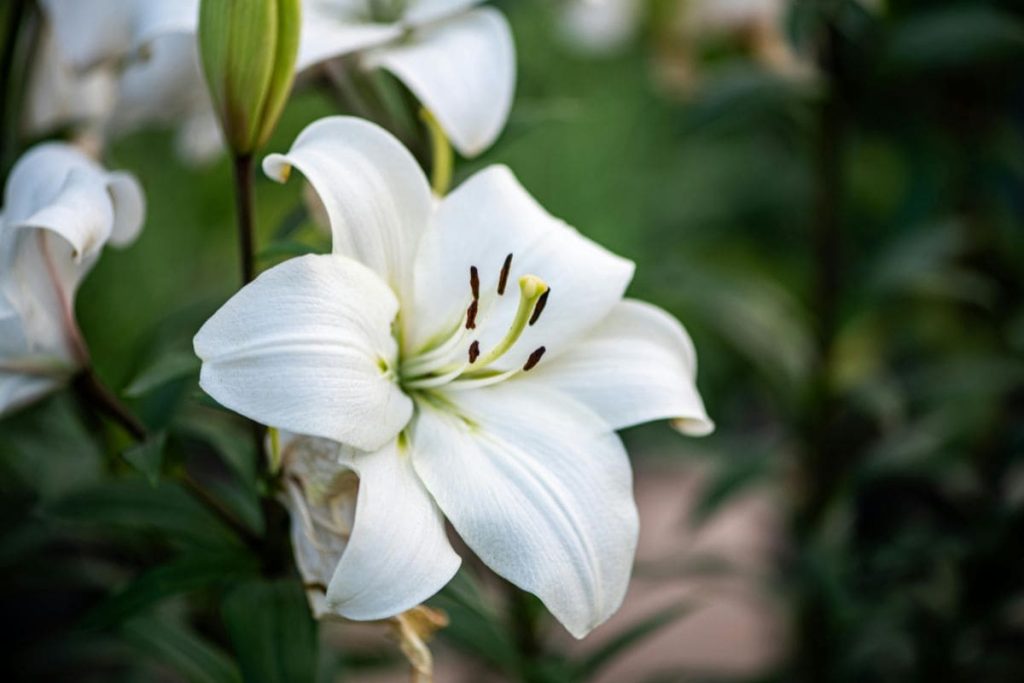
| Lily (Lilium spp.) | Cats (very serious) | Vomiting, kidney failure, can cause death |
| Poinsettia | Dogs and cats | Skin irritation, vomiting, abdominal pain |
| Azalea / Rhododendron | Dogs and cats | Vomiting, diarrhoea, heart problems |
| Tulip | Dogs and cats | Vomiting, diarrhoea, oral irritation |
| Cyclamen | Dogs and cats | Intense vomiting, seizures, kidney failure |
| Oleander | Dogs and cats | Serious heart problems, can be fatal |
| Ivy | Dogs and cats | Digestive irritation, dermatitis |
| Aloe vera | Dogs and cats | Digestive problems, diarrhoea |
| Daffodil | Dogs and cats | Vomiting, diarrhoea, weakness |
| Hydrangea | Dogs and cats | Vomiting, diarrhoea, lethargy |
The lily is the most dangerous flower for cats. Even ingesting a small amount of any part of the plant can cause acute kidney failure. If you have cats at home, there should be no lilies anywhere in the house.
Symptoms of Plant Poisoning in Pets
Recognising the symptoms in time can make all the difference. These are the most common warning signs:
Mild symptoms:
- Occasional vomiting or diarrhoea
- Hypersalivation
- Irritation in the mouth or on the skin
Moderate symptoms:
- Loss of appetite
- Lethargy or apathy
- Trembling
Severe symptoms:
- Seizures
- Difficulty breathing
- Irregular heart rate
- Loss of consciousness
If you notice severe symptoms, go to the vet immediately without waiting. If possible, bring a sample or photo of the plant you think your pet has ingested, as it will greatly help with the diagnosis.
Safe Flowers and Plants for Dogs and Cats
The good news is that having pets at home does not mean giving up plants or flowers. There is a wide selection of completely safe species that you can enjoy without any worries.
Pet-Friendly Indoor Plants
| Plant | Safe for | Feature |
| Orchid (Phalaenopsis) | Dogs and cats | Elegant, easy to care for |
| Areca palm | Dogs and cats | Purifies the air |
| Calathea | Dogs and cats | Very decorative |
| Bromeliads | Dogs and cats | Colourful, low maintenance |
| Boston fern | Dogs and cats | Classic and resilient |
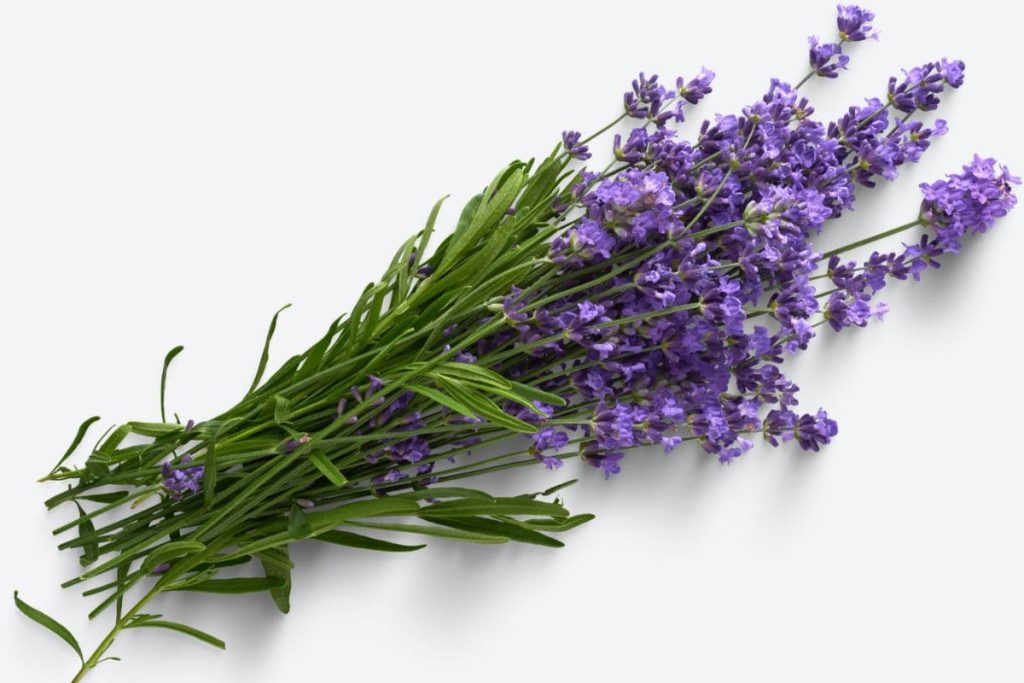
| Lavender | Dogs and cats | Aromatic and decorative |
Pet-Friendly Outdoor Flowers
- Roses: not toxic, although care should be taken with thorns.
- Marigolds: resilient, colourful and completely safe.
- Gerberas: large, showy flowers with no risk to pets.
- Petunias: very decorative and with no known toxicity.
- Daisies: safe and easy to grow.
Tips for Living Safely with Plants and Pets
Knowing which plants are toxic is the first step. But there are additional practical measures that considerably reduce the risk:
- Check all the plants in your home before bringing in a new pet or a puppy.
- Place toxic plants out of reach, at heights your pet cannot access. Remember that cats climb.
- Check the composition of flower arrangements before keeping them at home, especially if they include lilies.
- Let anyone who gives you flowers know that you have pets, so they choose safe species.
- Observe your pet’s behaviour if you know they have been near a potentially toxic plant.
Frequently Asked Questions (FAQs)
Is aloe vera dangerous for dogs and cats?
Yes. Despite its beneficial properties for people, aloe vera sap is toxic for dogs and cats and can cause diarrhoea, vomiting and other digestive problems. It is advisable to keep it out of their reach.
Are tulips toxic for pets?
Yes, especially the bulb, which is the part with the highest concentration of toxins. Ingestion can cause vomiting, diarrhoea and oral irritation in both dogs and cats. During spring, when they are more common in vases and gardens, extra precautions should be taken.
Can I have roses at home if I have pets?
Yes. Roses are not toxic for dogs or cats. However, care should be taken with the thorns, which could cause small injuries if the animal plays near them. They are one of the safest cut flowers for homes with pets.
Conclusion
Living with plants and pets is perfectly possible if you take the precaution of choosing the right species. Knowing which ones are toxic and which are not is a basic responsibility of any pet owner.
The tables in this article are a starting point, but when in doubt, your trusted vet remains the most reliable reference.