When looking for dogs that don’t cause allergies, people often come across lists of “hypoallergenic” breeds that promise to be the perfect solution. However, there is an important reality to understand before making such an important decision as adopting a dog.
There is no such thing as a 100% hypoallergenic dog.
There are breeds that may trigger fewer reactions in people with allergies, but no dog can guarantee the complete absence of symptoms. Understanding why this happens will help you make a better-informed choice and enjoy life with your pet as comfortably as possible.
What Are People Actually Allergic To?
One of the biggest myths surrounding hypoallergenic dogs is the belief that allergies are caused by the animal’s hair.
In reality, the problem is not the hair itself, but certain proteins found in the dog’s body that act as allergens and can spread through the environment via dander, saliva and urine.
These proteins mainly belong to two large families: lipocalins and kallikreins, and are known as Can f allergens (Canis familiaris). Among them, Can f 1, Can f 2 and Can f 5 are particularly important, although other molecules are also involved in allergic reactions.
- Can f 1: This is considered the most common canine allergen. It is mainly produced by the dog’s salivary glands and spreads throughout the coat when the animal licks itself during grooming. As a result, even if a person does not have direct contact with the dog’s saliva, they can still be exposed to this protein through the hair, dander and particles present in the environment.
- Can f 5: This is a prostatic kallikrein produced exclusively by male dogs. Some people with allergies react mainly to this protein and may experience fewer symptoms when living with female dogs. This explains why, in certain cases, the sex of the dog may influence an allergic person’s tolerance.
- Can f 2 and Can f 4: These proteins from the lipocalin family are mainly found in the dog’s epithelium and saliva. Like Can f 1, they can become attached to the hair and dander particles, contributing to their spread throughout the home.
- Can f 3: This is the dog’s serum albumin and may cause cross-reactions with similar proteins found in other animals, such as cats. This means that some people may experience sensitivity to different animal species due to the similarities between these molecules.

Therefore, when we talk about hypoallergenic breeds, this does not mean that these dogs stop producing these proteins. The difference is that some breeds tend to release fewer allergens into the environment, mainly because they shed less hair and because their coat type helps retain dander until it is removed through brushing. That is why, before adopting, it is important to remember that no dog is 100% hypoallergenic. Tolerance depends on each individual, their level of sensitivity and the amount of allergens present in the environment.
What Hypoallergenic Dog Is the Best Fit for You?
Not every family has the same needs. Beyond allergies, it is important to consider the dog’s size, activity level and the amount of time available for its care.
For People with Mild Allergies Looking for a Small Dog
- Yorkshire Terrier
The Yorkshire Terrier has a coat that is similar to human hair and sheds very little. It is a small, highly active dog that is particularly well suited to homes with limited space.
In addition to requiring frequent brushing, it needs daily exercise and mental stimulation to maintain a good balance.
- Maltese
The Maltese sheds very little and is known for its affectionate and calm temperament. It is an excellent choice for people looking for a family companion who enjoy dedicating time to coat care.
For Families with Children and Moderate Allergies
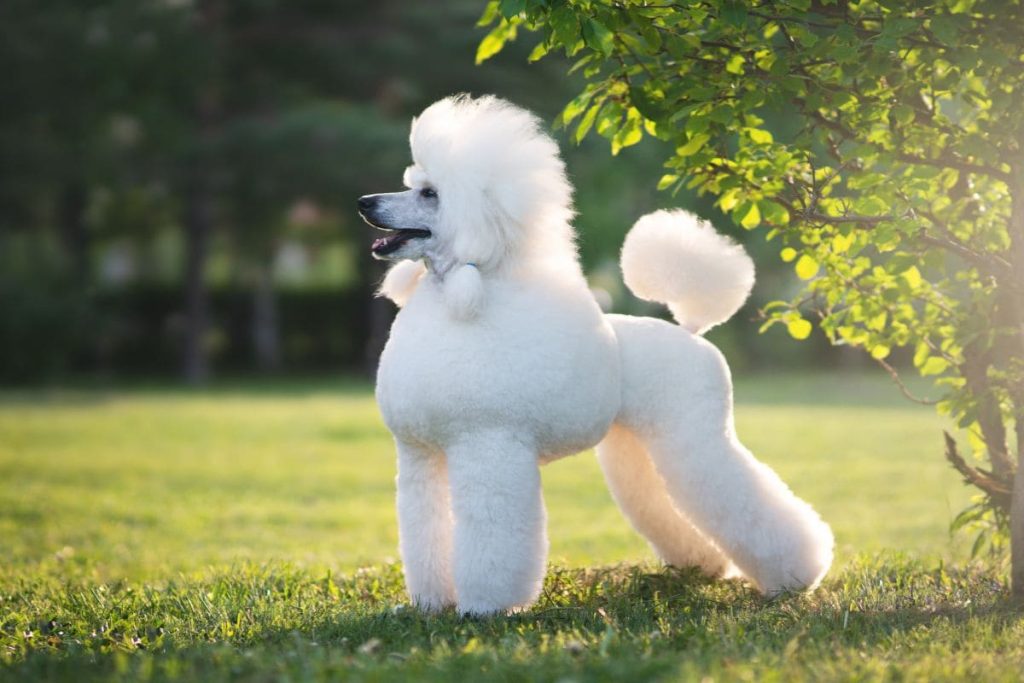
- Poodle (Toy, Miniature, Medium or Standard)
The Poodle is probably the best-known hypoallergenic breed.
Its curly coat traps much of the dead hair before it reaches the environment and it has very limited shedding. In addition, it is highly intelligent, easy to train and generally well suited to living with children.
- Spanish Water Dog
With a curly coat and very little shedding, this breed combines energy, intelligence and a great ability to adapt to family life.
It needs daily exercise and particularly enjoys outdoor activities.
For Active People with Moderate Allergies
- Schnauzer (Miniature, Medium or Giant)
The Schnauzer has a wiry coat that is barely shed naturally.
It is an alert, protective and highly active dog, making it ideal for people who enjoy exercising with their pet.
- Irish Water Spaniel
Although less well known, the Irish Water Spaniel also has a curly coat with little shedding.
It is an excellent companion for sporty people and lovers of water-based activities, as it requires plenty of physical exercise to remain well balanced.
For People with Severe Allergies Who Want a Large Dog
- Standard Poodle
It offers the same advantages as other Poodles in terms of reduced shedding and allergen dispersion, but in a much larger size.
Its intelligence, trainability and sociable nature make it one of the preferred choices for many households.
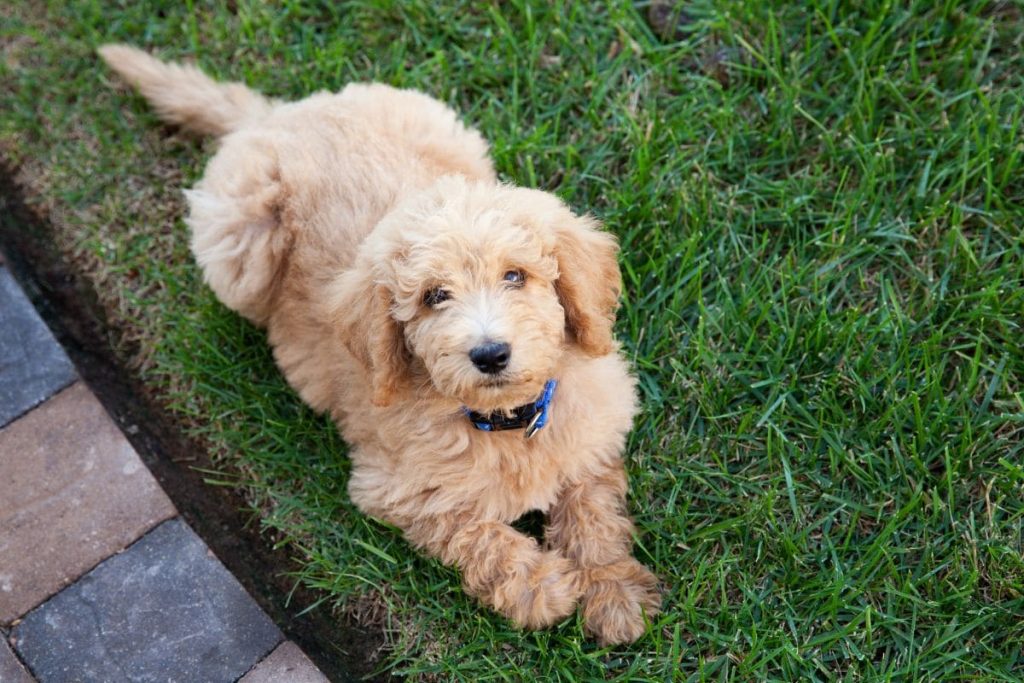
The Labradoodle was originally developed with the aim of combining the temperament of the Labrador Retriever with the coat characteristics of the Poodle.
However, it is important to know that not all Labradoodles have the same characteristics, as coat type can vary considerably between individuals. Therefore, not all Labradoodles are equally suitable for people with allergies.
How to Reduce Allergens at Home
Even if you choose a breed considered hypoallergenic, managing the home environment is equally important when it comes to minimizing symptoms.
These measures can make a significant difference:
- Brush your dog regularly, preferably outdoors.
- Bathe your dog according to the recommendations of your veterinarian or professional groomer.
- Vacuum frequently using HEPA filters.
- Ventilate your home every day.
- Wash beds, blankets and textiles where your dog sleeps.
- Prevent your dog from entering the bedroom of people with allergies if symptoms are significant.
- Wash your hands after playing with or petting your dog.
Nutrition Also Plays a Role in Skin Health
Many people overlook the fact that nutrition has a direct impact on the health of the skin and coat.
A complete and balanced diet helps maintain a healthy skin barrier, supports healthy skin and may reduce excessive dander production, thereby decreasing some of the allergens released into the environment.
In addition, skin care can be supported with specific nutritional supplements.
One example is Summit 10 CARE Nutritional Support DERMA+, a supplement formulated to support skin health and coat shine through a combination of selected ingredients designed to nourish the skin from within. It can be an interesting complement for dogs with sensitive skin or when the aim is to maintain optimal coat condition.
Conclusion
Looking for a hypoallergenic dog does not mean finding a miracle breed, because no such breed exists.
The best decision involves considering several factors: understanding the severity of the allergy, spending time with the dog beforehand whenever possible, choosing a breed that is compatible with your lifestyle, and maintaining good hygiene, nutrition and skin-health practices. In this way, many people with allergies can enjoy the companionship of a dog for many years while keeping their symptoms much better under control.
Frequently Asked Questions (FAQs)
Is there any dog that does not cause allergies?
No. No breed is completely hypoallergenic. Some dogs produce fewer allergens or release fewer allergens into the environment, but all dogs can trigger reactions in sensitive individuals.
Does short hair cause fewer allergies than long hair?
Not necessarily. Allergies are not determined by hair length, but by the proteins found in dander, saliva and urine. A short-haired dog can cause more symptoms than a long-haired dog.
Can nutrition help reduce allergens?
A high-quality diet supports healthy skin and helps maintain the coat in better condition, which may contribute to reducing excessive dander. In addition, specific skin-health supplements, such as Summit 10 CARE Nutritional Support DERMA+, may provide additional support.