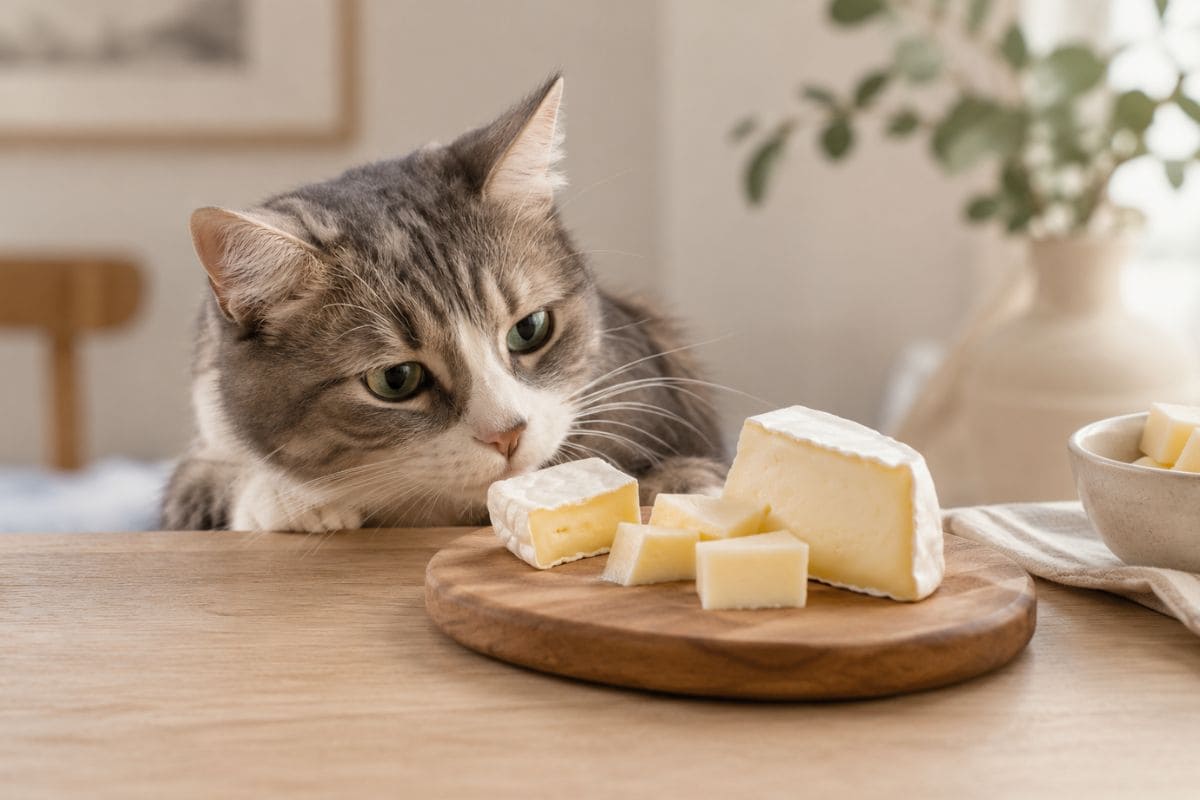
Can cats eat cheese, or is it best to keep it out of their diet? If you have ever seen your cat approach the table as soon as you open a pack of cheese, you may have wondered about this. For years, the image of a cat drinking milk or enjoying a piece of cheese has been part of popular culture. However, what seems like a harmless treat may not be the best choice for your cat’s digestive health.
Although a small piece of cheese is not usually a cause for concern in a healthy cat, that does not mean it is suitable for regular consumption. Dairy tolerance, fat and salt content, and cats’ nutritional needs are all factors worth considering.
In this article, we explain what really happens when a cat eats cheese, which varieties are best avoided, and what alternatives you can offer as a treat without compromising their well-being.
The Great Myth About Cats and Dairy Products
The image of a cat drinking milk is so widespread that many people assume all dairy products are suitable for them. However, there is an important difference between what a cat seems to enjoy and what its body can digest properly.
Kittens produce lactase, an enzyme that enables them to digest the lactose in their mother’s milk. However, as they grow and stop nursing, the activity of this enzyme usually decreases. As a result, many adult cats have a limited ability to digest lactose.
Does this mean that all cats are lactose intolerant? Not necessarily. Tolerance varies from one cat to another and depends, among other factors, on the amount consumed and the composition of the food.
Cheese is also different from milk. During cheese production, some of the lactose is removed with the whey, while another portion is broken down during fermentation. This is why some cheeses contain less lactose than others.
Even so, a low lactose content does not automatically make cheese a recommended food for cats. Its fat and salt content, along with its limited nutritional value as an addition to a balanced feline diet, means it is not an ideal everyday treat.
Why Does Your Cat Ask for Cheese If It Is Not Good for Its Gastrointestinal Health?
If dairy products can cause digestive discomfort, why do some cats seem irresistibly attracted to cheese?
The answer lies in a combination of factors related to their behaviour and senses.
- Aroma and texture. Cats have a highly developed sense of smell. The strong aroma of certain cheeses, especially aged varieties, can spark their curiosity. The soft texture of some cheeses may also appeal to them.
- Fat and protein. Cats are obligate carnivores and need a diet that provides appropriate amounts of protein and fat. The smell of certain foods rich in these nutrients may attract them, although this does not mean that all such foods are suitable for them to eat.
- Curiosity and learning. If you have offered your cat cheese before and they enjoyed its taste or texture, they may have learned to associate it with a pleasant experience. They may also ask for it simply because they see you eating it and want to investigate what you have.
- The attention they receive. Sometimes, cats are looking less for the food itself and more for interaction with you. If they receive a small piece every time they approach the table, they are likely to repeat the behavior.
Ultimately, your cat asking for cheese does not mean they need it or that is good for its gastrointestinal health. Their interest in a food is not a reliable indicator of its nutritional suitability.
What Really Happens When a Cat Eats Cheese: Short- and Long- Term Effects
The effects of eating cheese depend on the amount consumed, the type of cheese, and the individual cat’s sensitivity. Tasting a tiny amount of plain cheese is very different from eating a large piece of a high-fat, salty or seasoned variety.
- Short-term effects: digestive discomfort
In cats that do not tolerate lactose well, consuming dairy products can cause a range of gastrointestinal symptoms. Lactose that is not properly digested reaches the large intestine, where intestinal bacteria can ferment it and contribute to digestive discomfort.
Common symptoms include:
- Diarrhea: stools may become soft or watery.
- Gas: intestinal fermentation can increase gas production.
- Bloating and abdominal discomfort: some cats may show signs of discomfort after consuming dairy products.
- Vomiting: this may occur as an adverse digestive response, although it is not specific to lactose intolerance.
These signs do not occur in every cat or after every amount consumed. They can also have other causes, so it is important to consider the circumstances and how the symptoms develop.
- Long-term effects: more calories than your cat needs
The problem with cheese goes beyond lactose. If offered frequently, it can add a significant number of calories to a cat’s diet without providing the balanced range of nutrients they need.
Excess calories contribute to weight gain and can lead to overweight and obesity. Obesity is associated with several health problems, including an increased risk of metabolic disorders and mobility difficulties.
Furthermore, regularly feeding cats human foods can displace some of the complete and balanced food they need. This is particularly relevant when they receive small portions of cheese, as well as other treats, throughout the day.
There is another important consideration: some cheeses contain high levels of fat and salt. Seasoned varieties may also contain ingredients that are potentially toxic to cats, such as garlic or onion.
The conclusion is simple: cheese is not usually toxic in itself when consumed in small quantities, but it is not necessary in a cat’s diet, and more suitable alternatives are available.
Are Some Cheeses Safer Than Others?
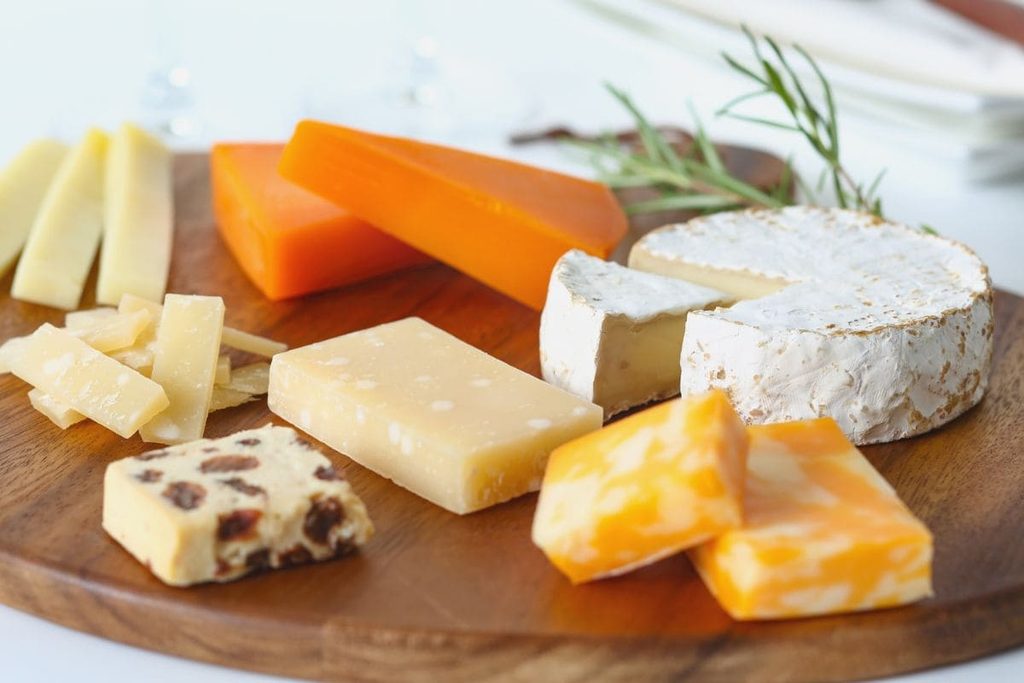
Yes. Cheese varieties differ significantly, particularly in their lactose, fat and salt content. However, no variety should be considered a regular treat for cats.
Here are some key differences to be aware of:
- Aged cheeses. These generally contain less lactose than fresh cheeses because some of it is removed or broken down during production. However, they can be high in fat and salt.
- Fresh cheeses. Some varieties contain more lactose and may be less suitable for cats that are sensitive to this sugar. Their composition depends on the production process.
- Soft and creamy cheeses. Their texture may make them easy to offer in small amounts, but some are high in fat and, depending on the variety, may also contain significant amounts of lactose or salt.
- Blue cheeses and heavily seasoned cheeses. These are best avoided. In addition to their nutritional composition, some varieties contain added ingredients that may be dangerous for cats.
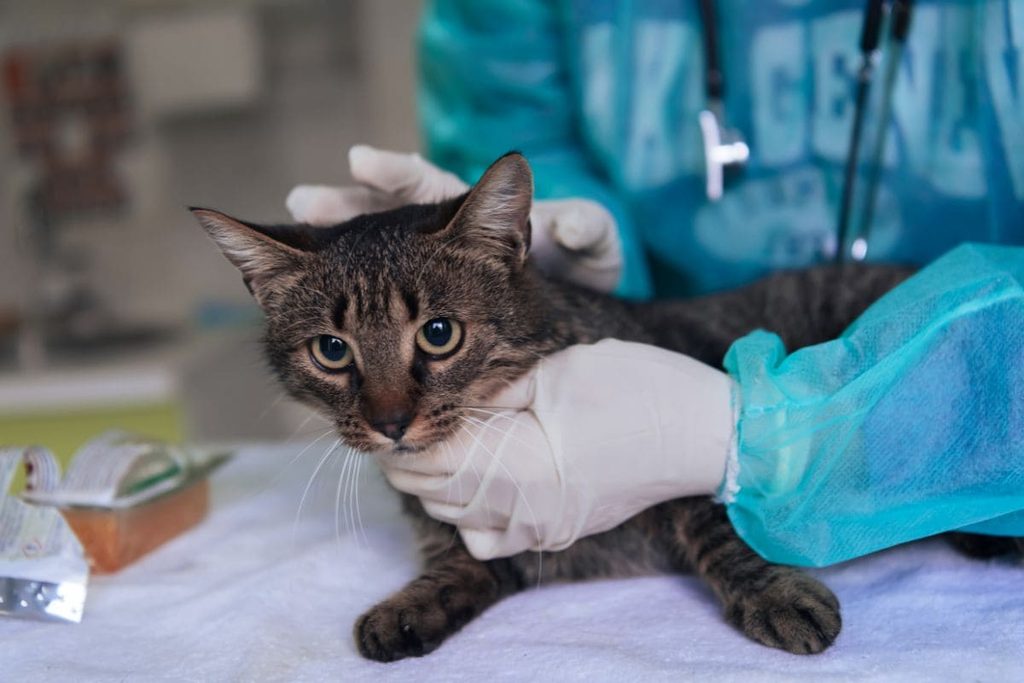
If your cat has accidentally eaten a small piece of plain cheese, there is usually no reason to panic. Remove any remaining cheese and watch for symptoms. If your cat has eaten a considerable amount, consumed cheese containing potentially toxic ingredients, or develops significant symptoms, contact your veterinarian.
In any case, choosing a lower-lactose cheese does not address the other nutritional drawbacks. The most appropriate option is to choose treats specifically formulated for cats.
What Can You Give Your Cat Instead of Cheese?
If you want to treat your cat, share a special moment with them or find something they will enjoy, you do not need to turn to cheese. There are more suitable alternatives that may be just as appealing and better suited to their nutritional needs.
- Cooked chicken or turkey. Well-cooked chicken or turkey, without skin, bones, salt or seasoning, can be offered as an occasional treat. It provides animal protein, which is particularly important in a cat’s diet.
- Cooked fish. You can offer small amounts of fish, such as salmon or white fish, provided it is thoroughly cooked, boneless and free from sauces or seasonings. Fish should be given occasionally and must not replace a complete diet for cats.
- Treats specifically formulated for cats. These are designed for their species and make it easier to control how much and how often you offer them. Like any treats, they should account for only a small proportion of their daily calorie intake.
- Small portions of their usual food. Setting aside a few pieces of their regular kibble can be a simple way to reward them without introducing different foods into their diet.
- Wet food for cats. Its texture and aroma can be particularly appealing to many cats. It also provides a way to add variety to a diet tailored to their needs.
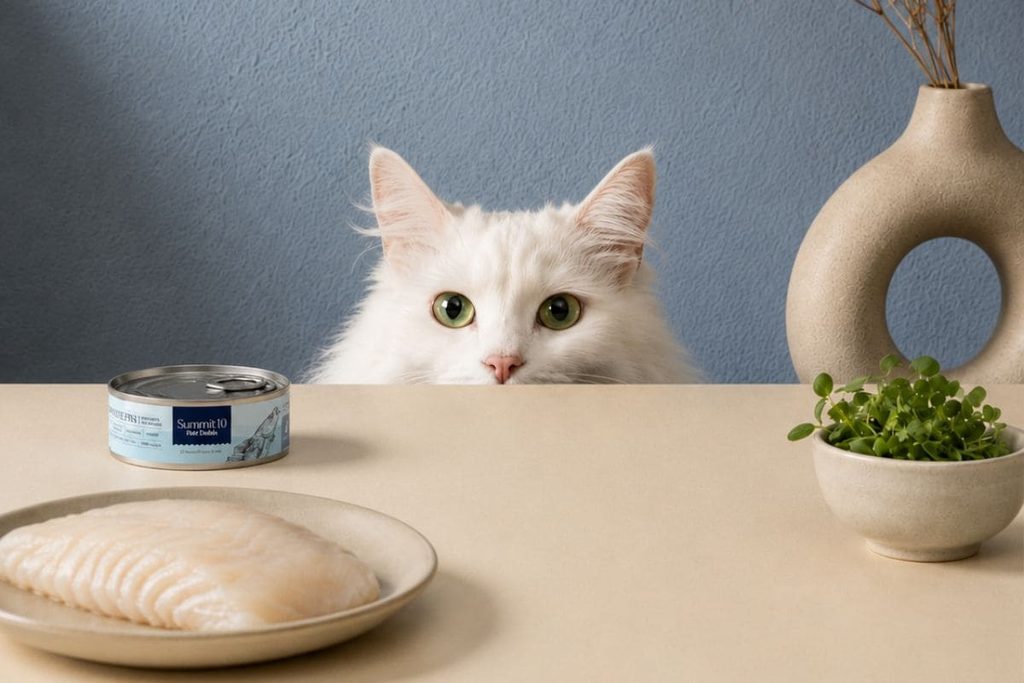
- Have you tried our Patè Delish range? Its pâté texture is soft and appetizing, making it a great option for adding variety to your cat’s diet. It is also a complete pet food, so it can be incorporated into their regular feeding routine without compromising nutritional balance. You only need to adjust the amount according to the feeding guidelines to avoid overfeeding.
So, Can Cats Eat Cheese?
The answer is that cats may tolerate small amounts of certain varieties, but cheese should not be offered regularly. Many adult cats struggle to digest lactose, and cheese’s fat, salt and calorie content can make it an unsuitable choice.
Just because your cat asks for cheese does not mean they need it. If you want to reward them, offer variety or strengthen your bond, there are more suitable options for their species.
Choosing foods formulated for cats, controlling portions and respecting their nutritional needs are small steps that help support their long-term health.
What if, the next time your cat asks for cheese, you offer them an alternative designed specifically for them? With options such as Summit 10 Patè Delish, you can turn that moment into an opportunity to care for their well-being without missing out on the pleasure of sharing it.
Frequently Asked Questions (FAQs)
Can cats eat small amounts of cheese?
Yes, many cats can tolerate a small amount of cheese without showing symptoms, but it is not recommended as a regular part of their diet. Some adult cats have difficulty digesting lactose, and cheese can also contain excessive amounts of fat and salt. It is preferable to choose treats specifically formulated for cats.
What happens if my cat accidentally eats cheese?
If your cat has eaten a small piece of plain cheese, it is usually enough to remove the remaining cheese and watch for symptoms such as diarrhea, vomiting or abdominal discomfort. If they have eaten a large amount, cheese containing garlic or onion, or develop severe or persistent symptoms, contact your veterinarian.
What can I give my cat instead of cheese?
You can offer small amounts of cooked chicken or turkey without skin, bones, salt or seasoning, or thoroughly cooked fish without bones. Other options include treats specifically formulated for cats, a small portion of their usual food or wet food adapted to their nutritional needs. For example, Summit10 Patè Delish is an option worth considering thanks to its pâté texture and convenient format. If your cat follows a veterinary diet, consult your veterinarian before introducing new foods.