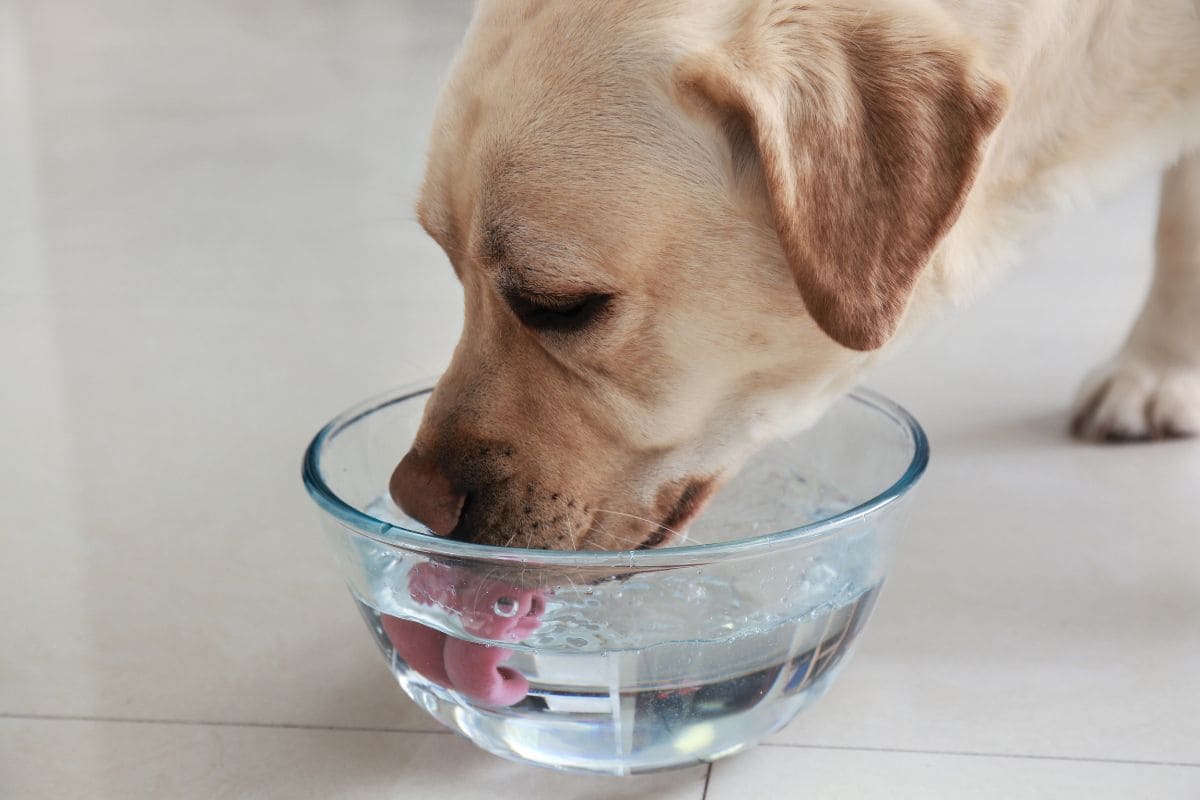
Have you noticed that your dog is emptying their water bowl faster than usual? Although drinking water is essential for their health, a sudden increase in thirst can raise some questions: Is it because the weather is warmer? Could it be related to their diet? Or could it be a sign that something is wrong?
A dog drinking more water than usual does not necessarily mean they are ill. However, if the increase is persistent, has no apparent explanation or is accompanied by other changes, it is worth paying attention to.
In this article, we explain why your dog may be drinking a lot of water, which situations can be considered normal, which causes require veterinary attention and how diet influences their daily hydration.
The Importance of Water as an Essential Nutrient
Water is probably the most overlooked nutrient in a pet’s diet, despite being the most essential for life. Without it, the body would be unable to carry out most of the processes that keep our dogs healthy and active.
In fact, water is the main component of the body, accounting for approximately 75–80% of body weight at birth. This proportion decreases with age and can fall to around 50–60% in some adult animals, depending on their body composition. Why? Mainly because muscle tissue contains considerably more water than fat tissue. This is why animals with a higher proportion of body fat tend to have a lower percentage of total body water.
Water is involved in virtually every vital function in the body. Its main roles include:
- Nutrient transport: Blood and lymph distribute nutrients and other essential substances throughout the body using a predominantly water-based medium.
- Waste elimination: The kidneys use water to remove metabolic waste products through urine, while helping maintain electrolyte balance and regulate osmotic pressure.
- Digestion and absorption: Saliva and gastric, pancreatic and intestinal secretions provide the aqueous medium needed for digestive processes to take place.
- Metabolic reactions: Most of the body’s biochemical reactions take place in an aqueous environment, making water essential for cellular function.
- Cushioning and lubrication: Water is part of structures and fluids such as synovial fluid in the joints and cerebrospinal fluid, which protects the central nervous system.
- Body temperature regulation: It helps dissipate heat and maintain an appropriate internal temperature.
This last function is particularly interesting in dogs. Unlike humans and some other animals, dogs do not rely primarily on sweating to cool themselves down. Their functional sweat glands are limited in distribution, mainly to their paw pads. Their most important cooling mechanism is panting, through which water evaporates from the respiratory tract, helping dissipate excess body heat.
How Much Water Should a Dog Drink Per Day?
As a general guideline, a healthy adult dog typically needs approximately 40–60 ml of water per kilogram of body weight per day. However, this amount can vary considerably depending on physical activity, ambient temperature, physiological condition, health status and diet.
For example, a 10 kg dog may drink around 400–600 ml per day. This is only an approximate guideline and should be interpreted by considering both the water they drink and the water they obtain from their food.
When Is It Normal for My Dog Drinks a Lot of Water?
There are everyday situations in which it is perfectly normal for a dog to feel thirstier. In these cases, increased water intake is usually a physiological response to compensate for greater water loss or higher hydration requirements.
1. When the weather is hot
During the warmer months, dogs may drink more water to compensate for losses associated with panting, their main mechanism for dissipating heat. If temperatures are higher than usual, it is normal for them to need to drink more frequently.
2. After exercise
After a long walk, an intense play session or strenuous physical activity, a dog may drink more water to restore their fluid balance. This need will depend on the duration and intensity of the exercise, as well as environmental conditions.
3. When their diet changes
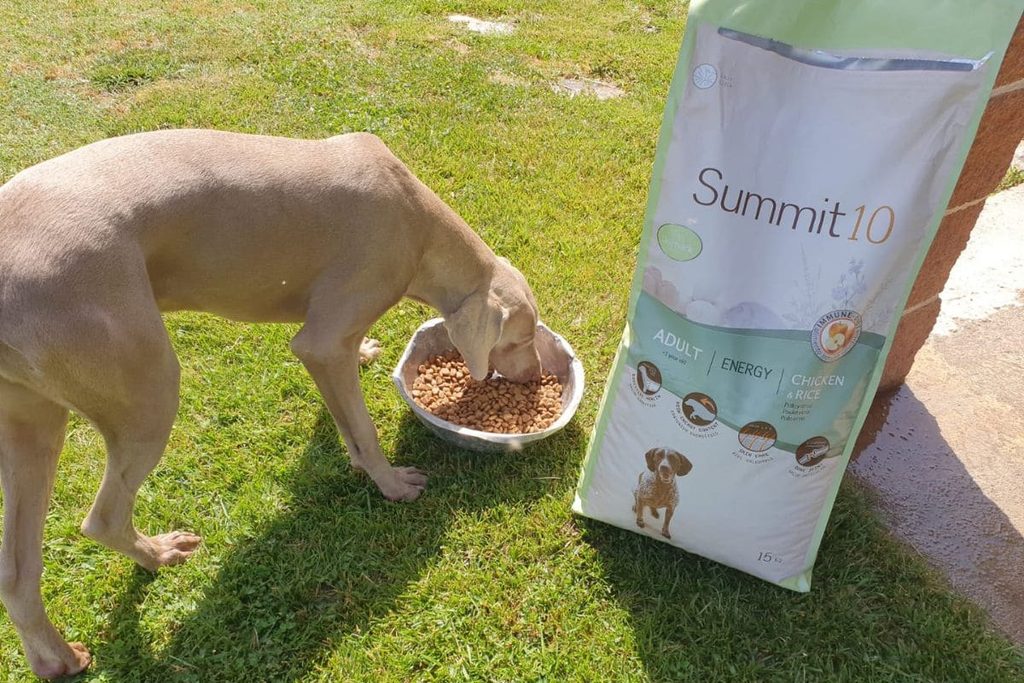
The type of food a dog eats directly affects how much water they need to drink. Dogs fed mainly dry food obtain relatively little water from their meals and compensate for this by drinking more.
By contrast, when dogs eat wet food, a significant proportion of their hydration requirements is met during mealtimes. As a result, they may drink less from their water bowl without necessarily being less well hydrated.
Diets high in salt can also naturally encourage increased water consumption.
4. During lactation
Nursing females have higher-than-usual water requirements because they need to produce milk. At this stage, it is particularly important to ensure constant access to fresh, clean water, as water is the main component of milk and insufficient water intake could limit milk production.
The Main Causes That Require Veterinary Attention
When a dog drinks a lot of water without any apparent explanation, especially if they are also urinating more frequently, it is important to rule out potential health problems. Some diseases affect the body’s ability to regulate fluid balance, while others cause fluid losses that the dog tries to compensate for by drinking more.
The main causes to consider include:
1. Kidney disease
The kidneys play a fundamental role in regulating water balance and eliminating waste products. When their ability to concentrate urine is impaired, dogs may produce larger amounts of urine and need to drink more to compensate for the resulting fluid loss.
2. Diabetes mellitus
Diabetes mellitus can cause increased thirst and urination due to the osmotic effect of glucose in the urine. Other signs may include increased appetite, weight loss and changes in activity levels.
3. Cushing’s syndrome
This endocrine disorder is characterized by excessive cortisol production. Common signs include increased thirst and urination, increased appetite, panting and certain changes in the appearance of the abdomen and skin.
4. Fever
When a dog has a fever, their water requirements may increase. The body attempts to regulate its temperature and, if panting also increases, the dog may need to drink more to compensate for additional fluid losses.
Fever is usually a sign of an underlying problem, such as an infection or inflammatory process, so identifying its cause is important. If you suspect your dog has a fever, seems lethargic or shows other symptoms, consult your vet. Never give your dog human medication without veterinary advice.
5. Diarrhea and vomiting
Episodes of diarrhea and vomiting can cause significant losses of water and electrolytes. In response, dogs may feel thirstier and try to replace some of the fluids they have lost.
However, drinking more water is not always enough to compensate for these losses, particularly if vomiting is repeated or diarrhea is severe. In these cases, dehydration can develop quickly, especially in puppies, older dogs or animals with pre-existing health conditions.
If symptoms persist, there is blood in the vomit or stools, your dog is very lethargic or cannot keep water down, veterinary attention is needed. Do not force your dog to drink or administer human rehydration solutions without professional advice.
6. Infections and other diseases
Some infections, hormonal disorders and metabolic diseases can disrupt the body’s fluid balance. In unspayed female dogs, pyometra – a potentially serious uterine infection – can also cause increased thirst.
7. Side effects of certain medications
Certain medications, such as corticosteroids and some diuretics, can increase both water consumption and urine production. If you notice this change after starting a treatment, consult your vet before making any changes to the medication.
These conditions cannot be distinguished simply by observing how much water a dog drinks. Your vet may need to perform a physical examination and blood and urine tests to identify the underlying cause.
When Should I Be Concerned?
Book a veterinary appointment if you notice any of the following signs:
- Your dog is drinking significantly more water than before, without an obvious reason.
- Your dog urinates more frequently or produces much larger amounts of urine.
- Your dog needs to go outside during the night to relieve himself or start urinating indoors.
- Your dog loses weight, has a bigger appetite than usual or seems less energetic.
- Your dog experiences vomiting, diarrhea or persistent changes in behavior.
A water intake exceeding 100 ml per kilogram of body weight per day is considered an indicator of polydipsia and warrants further investigation. However, you do not need to wait until your dog reaches this amount before becoming concerned. Changes compared with their usual drinking habits are also important.
If your dog experiences repeated vomiting, severe weakness, collapse or other serious symptoms, seek urgent veterinary attention.
Remember that you should never restrict your dog’s access to water in an attempt to reduce how much they drink. If an underlying condition is causing excessive fluid loss, limiting water intake could make the situation worse.
Diet: A Key Ally in Maintaining Proper Hydration
The most important measure is simple: your dog should always have access to fresh, clean water. Water should be changed regularly, the bowl should be kept clean, and it should be placed somewhere easily accessible.
However, hydration does not depend exclusively on how much water a dog drinks from their bowl. Food can also be an important source of water, meaning that the composition and moisture content of their diet directly influence their total water intake.
Dry Food vs. Wet Food: What Are the Differences?
Dry food typically contains around 3–11% moisture, whereas wet food generally provides approximately 60–87% moisture or even more, depending on the formula. This difference means that dogs fed wet food consume a considerably greater proportion of their daily water intake during meals.
When a dog eats dry food, they need to make up for much of the moisture they do not obtain from their food by drinking water. By contrast, dogs eating wet food may drink less from their bowl because they are already getting water through their diet.
This does not mean that dry food is unsuitable or that dogs fed dry food are necessarily dehydrated. A complete and balanced dry food, accompanied by constant access to fresh water, can adequately meet their nutritional and hydration requirements.
The key is to understand that the amount of water a dog drinks does not, on its own, reflect their total daily water intake.

Why Might It Be Interesting to Incorporate Wet Food into Your Dog’s Diet?
A complete and balanced wet food can be an interesting option to support daily hydration, particularly for dogs that do not naturally drink much water or need to increase their water intake following veterinary advice.
Some of its main benefits include:
- Provides water through food, helping meet daily hydration requirements.
- Can increase total water intake, even when the dog drinks less directly from their bowl.
- May increase urine volume and promote urine dilution, which can be relevant in certain urinary conditions under veterinary supervision.
- Can help adapt meals to a dog’s preferences, thanks to its texture and palatability.
To make the most of these benefits, it is important to choose a wet food that is nutritionally appropriate for the dog’s species, age and individual needs. If it is used as the main diet, it must be complete and balanced.
At Summit10, our Patè Delish range offers a delicious way to incorporate wet food into your dog’s daily diet. Made with up to 92% fresh meat or fish, these grain-free recipes feature a single animal protein source and pieces of fruit, combining high palatability with carefully selected ingredients. They can be served as a complete meal or combined with dry food to add variety, enhance mealtime enjoyment and increase daily water intake through food.
Another option is to add water to dry food to increase its moisture content, provided this is suitable for the dog and the food is stored appropriately once moistened.
In any case, wet food does not replace drinking water and is not a treatment for kidney disease, diabetes or other medical conditions. If your dog has a health problem, their diet should be tailored to their individual needs with guidance from a vet.
Conclusion
If your dog is drinking a lot of water, the first step is to consider whether there is a reasonable explanation, such as hot weather, exercise or a change in diet. In many cases, increased thirst is simply a response to higher hydration requirements.
However, if the change is persistent, has no apparent cause or is accompanied by increased urination, weight loss or other symptoms, it is important to consult your vet to rule out potential health problems.
And remember: good hydration starts with constant access to fresh, clean water, but it also depends on providing a diet that meets your dog’s needs. Adding wet food can help increase the amount of water they obtain through their meals and contribute to maintaining a healthy fluid balance.
Because looking after their health also means paying attention to something as everyday – and as essential – as the water they need each day.
Frequently Asked Questions (FAQs)
How can I tell if my dog is drinking too much water?
The most important thing is to notice whether their usual water intake has increased without an apparent reason, such as hot weather, exercise or a change in diet. As a general guideline, drinking more than 100 ml of water per kilogram of body weight per day is considered excessive and requires veterinary assessment. If your dog is also urinating more than usual, losing weight or seems lethargic, consult your vet. Never restrict their access to water on your own.
Is it normal for my dog to drink less water if they eat wet food?
Yes. Wet foods contain a high proportion of water, meaning dogs can meet a significant part of their hydration requirements through their meals and drink less directly from their bowl. This does not necessarily mean they are dehydrated. The important thing is to consider their total water intake, behaviour and overall condition, while always ensuring fresh, clean water is available.
What Should I do if my dog drinks a lot of water and vomits or has diarrhea?
Vomiting and diarrhea can cause significant losses of water and electrolytes, increasing the risk of dehydration. If the episodes are repeated, there is blood, your dog is very lethargic or cannot keep water down, seek veterinary attention as soon as possible. Do not remove their water for several hours or force them to drink without professional advice, as either approach could be harmful depending on their condition.