
Fleas, ticks, mosquitoes, and internal parasites can affect the health of dogs and cats all year round. However, there is no single flea and tick treatment for dogs and cats that is perfect for every pet. The best choice depends on their lifestyle, health status, and the environment they live in.
Not every pet requires the same prevention protocol, but all of them benefit from proper planning and regular veterinary check-ups to ensure effective year-round protection.
In this article, we’ll help you identify which type of parasite prevention may best suit your companion’s needs.
What Parasites Should Dogs and Cats Be Protected Against?
When we talk about parasite prevention, we’re not only referring to avoiding discomfort such as itching or visible fleas. Many parasites act as vectors for potentially serious diseases affecting animals and, in some cases, humans.
Fleas
Fleas are small blood-feeding insects that survive by feeding on blood. Their remarkable reproductive capacity allows infestations to develop rapidly inside the home.
Besides causing intense itching and flea allergy dermatitis, fleas can transmit intestinal parasites such as Dipylidium caninum and contribute to secondary skin infections due to excessive scratching.
Their life cycle includes eggs, larvae, pupae, and adults, meaning that eliminating only the visible fleas is often insufficient.
Ticks
Ticks are arthropods that attach to the skin and remain there for several days while feeding on blood. They are commonly found in areas with tall vegetation, forests, gardens, and rural environments.
In addition to causing local skin lesions, ticks can transmit important infectious diseases such as ehrlichiosis, babesiosis, anaplasmosis, and infections caused by bacteria of the Borrelia genus, responsible for Lyme disease in certain regions.
Prompt removal and effective prevention are essential to reduce the risk of disease transmission.
Mosquitoes and Sand Flies
Although many people consider them only a seasonal nuisance, certain mosquitoes and sand flies can transmit serious diseases.
In dogs, mosquitoes spread the nematode Dirofilaria immitis, which causes heartworm disease, a condition primarily affecting the heart.
Sand flies, meanwhile, are the primary vectors of Leishmania infantum, the protozoan responsible for canine leishmaniasis, a potentially life-threatening disease that is particularly relevant in many Mediterranean regions.
Mites
Various mite species can cause skin diseases such as sarcoptic mange, demodectic mange, and ear mite infestations (otocariasis).
Clinical signs include severe itching, inflammation, hair loss, crusting, and secondary infections. Some forms, such as sarcoptic mange, are highly contagious among animals and may also temporarily affect humans.
Intestinal Parasites
Intestinal worms remain very common, especially in puppies, kittens, and animals with outdoor access.
The most common include nematodes (Toxocara canis, Toxocara cati, Ancylostoma spp.) and tapeworms such as Dipylidium caninum.
These parasites may cause diarrhea, weight loss, poor growth, anemia, and digestive disorders. Some also pose a zoonotic risk, making regular deworming an important public health measure.
Collar, Spot-On, or Oral Tablet? Comparing the Main Parasite Prevention Formats
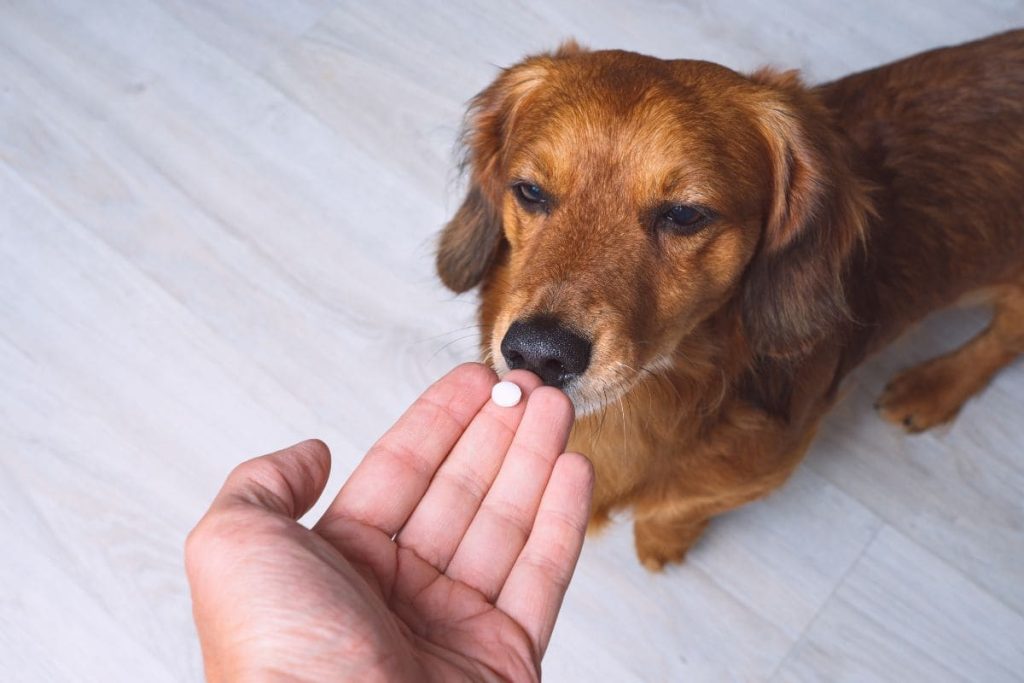
There is no universal answer. Each option has its own advantages and disadvantages. The best choice depends on the species, age, weight, lifestyle, ease of administration, and the type of protection needed according to the geographical area and season.
In certain situations, veterinarians may also recommend combining different preventive measures to achieve broader protection against multiple parasite groups.
| Format | Typical Duration | Main Advantages | Potential Drawbacks | Best Suited For |
| Parasite Prevention Collar | 6–8 months (depending on manufacturer) | Long-lasting protection, convenient, continuous release of active ingredients, effective against fleas and ticks. Some also repel mosquitoes. | May lose effectiveness if improperly fitted or too loose. Some pets may experience local irritation. Risk of damage or loss. | Active dogs and cats, owners seeking long-term protection, and pets that do not tolerate frequent treatments. |
| Spot-On Pipette | Around 4 weeks | Easy to apply, widely available, formulations adapted for different species and sizes. Some protect against multiple parasite types simultaneously. | Frequent bathing or shampooing may reduce effectiveness depending on the formulation. The application area should not be touched until completely dry. | Pets that tolerate topical application well and households preferring monthly treatments. |
| Oral Tablet | 1–3 months, depending on the product | Leaves no residue on the coat, unaffected by bathing or rain, often highly effective against fleas, ticks, and intestinal parasites. Easy to administer in pets that accept oral medication. | Not all tablets cover every parasite type or provide repellent effects. Some animals may refuse them or require veterinary supervision in specific situations. | Very active dogs, pets that swim or bathe frequently, and owners wishing to avoid topical treatments. |
A Prevention Strategy Tailored to Every Pet
If Your Pet Lives Mainly Indoors
Many owners believe that dogs or cats that rarely go outside do not need parasite protection. However, fleas can enter the home on clothing or shoes, and mosquitoes can easily make their way indoors.
In these cases, preventive protection adapted to the pet’s level of risk is still advisable, always following veterinary recommendations.

If Your Pet Lives Outdoors or in Rural Areas
Pets that spend time in gardens, parks, farms, wooded areas, or rural environments have greater exposure to ticks, fleas, and other parasites.
For these animals, long-lasting, broad-spectrum solutions providing continuous protection are often preferable, especially during peak parasite seasons.
If There Are Young Children at Home
When pets and young children live together, it is important to consider how easy the parasite prevention product is to handle and to follow the manufacturer’s instructions carefully.
In some cases, products that minimize direct contact with substances applied to the pet’s coat may be preferable, especially during the first few hours after administration. Washing hands after handling the pet and following veterinary advice help maintain a safe environment for everyone.
If Your Cat Is Particularly Sensitive or Nervous
Some cats tolerate topical applications poorly or become stressed during treatment. In these situations, choosing a method that minimizes discomfort and simplifies administration is essential.
Never use products formulated for dogs on cats, as certain active ingredients can be extremely toxic to felines.
If Your Pet Has Sensitive Skin
Animals with dermatitis, skin allergies, or particularly delicate skin may require extra care when selecting a parasite prevention product.
If you notice irritation, redness, or discomfort after application, consult your veterinarian before using the same product again or trying an alternative.
If Your Dog Swims or Bathes Frequently
Frequent bathing or regular exposure to water can affect the effectiveness of some external parasite prevention products, depending on their formulation.
If your dog enjoys swimming in the sea, rivers, or pools, ask your veterinarian which option provides adequate protection under these circumstances and always follow the recommended waiting periods before and after bathing.

If You Travel with Your Pet
Travel may expose dogs and cats to parasites found in regions where they do not normally occur. Before traveling —especially to warm climates or rural destinations— it is advisable to review your pet’s parasite prevention schedule and ensure the chosen protection is suitable for the destination.
Important Warnings
- Never administer a parasite prevention product intended for dogs to a cat.
- Use only products appropriate for your pet’s weight and age.
- Always follow the manufacturer’s instructions for administration and storage.
- If your pet is pregnant, nursing, very young, or has an underlying medical condition, consult your veterinarian beforehand.
- Seek immediate veterinary attention if adverse reactions such as vomiting, tremors, excessive salivation, or behavioral changes occur.
- Keep parasite prevention products out of the reach of children and store them properly.
Protection Starts with Prevention… and Good Nutrition Too
Although parasite prevention products play a fundamental role in disease prevention, maintaining a strong immune system and good physical condition also contributes to the overall well-being of dogs and cats.
At Summit 10, we specialize in pet nutrition and feeding. We believe that a complete, balanced diet tailored to every life stage is one of the key foundations for helping our companions enjoy healthier, more active lives.
Because caring for them means not only protecting them from parasites but also providing high-quality nutrition that supports their well-being and longevity.
Frequently Asked Questions (FAQs)
How often should I deworm/deflea my dog or cat?
The frequency depends on the type of parasite prevention product used, your pet’s age, lifestyle, and risk of exposure. Some collars provide protection for several months, spot-on treatments generally require monthly application, and certain oral tablets last between one and three months. Internal deworming schedules may also differ from flea and tick prevention schedules, so it is advisable to follow your veterinarian’s recommendations.
Does my pet need parasite prevention even if it never goes outside?
Yes. Although the risk is lower, indoor pets can still come into contact with parasites. Fleas may enter the home on people’s clothing or footwear, mosquitoes can come through open doors and windows, and some intestinal parasites may be transmitted indirectly. Therefore, even exclusively indoor pets should have an appropriate preventive plan.
Can I combine different parasite prevention products for better protection?
In some cases, yes—but only under veterinary guidance. Certain situations require combining products to protect against both external and internal parasites or to broaden coverage against specific diseases. However, mixing treatments without professional advice can increase the risk of overdosing or adverse effects and should never be done on your own initiative.