Most dogs get nervous from time to time. Some bark when the doorbell rings, others shake during car journeys or become restless when meeting new people.
But does that mean they have anxiety?
The answer is no.
One of the most common mistakes is confusing a temporary episode of nervousness with a genuine anxiety problem. This distinction is important because it determines whether a few changes to the dog’s routine and environment may be enough, or whether they need professional support and specific treatment.
In this article, we explain how to tell the difference, the most common causes of anxiety in dogs, and what options are available to help them regain their emotional wellbeing.
The Most Common Mistake: Confusing Temporary Nervousness with Anxiety in Dogs
All dogs experience emotions.
It is completely normal for a dog to:
- Bark when someone rings the doorbell.
- Get excited before going for a walk.
- Become restless during a thunderstorm.
- Be afraid the first time they travel by car.
These responses are part of normal canine behavior and, once the trigger disappears, the dog returns to a relaxed state.
Anxiety is different.
When we talk about anxiety in dogs, we are referring to a persistent state of stress or heightened alertness, even when there is no real danger. The body remains activated for prolonged periods, affecting both behavior and physical health.
It is not simply a case of having “a nervous dog”.
If left unaddressed, anxiety can seriously affect a dog’s quality of life.
Two Levels of Anxiety You Should Know How to Distinguish
Temporary Nervousness or Stress
This is a temporary response to a specific situation.
Some of its main characteristics include:
- It only appears in certain circumstances.
- The dog regains its calm once the trigger disappears.
- It does not disrupt their usual routine.
- They continue eating, resting and playing normally.
Common examples include:
- Veterinary visits.
- Travelling.
- Fireworks.
- Temporary changes to their routine.
In these cases, management strategies, gradual desensitization and positive reinforcement are often sufficient.
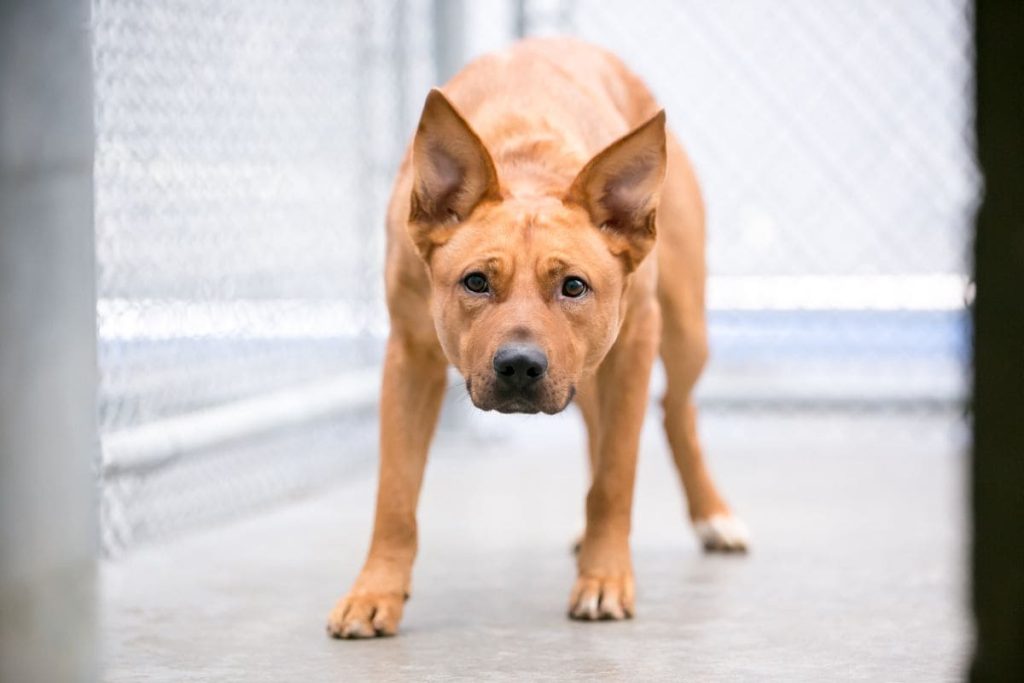
True or Chronic Anxiety
In this case, the state of alertness persists even when there is no obvious trigger.
A dog may show:
- Constant panting.
- Hypervigilance.
- An inability to relax.
- Repetitive behavior.
- Destruction of objects.
- Excessive vocalization.
- Difficulty being left alone.
- Sleep disturbances.
- Loss of appetite or increased appetite.
Over time, physical problems may also develop, such as:
- Digestive disorders.
- A weakened immune response.
- Weight loss.
- Lick-induced dermatitis.
- Muscle problems caused by constant tension.
In these cases, it is advisable to consult a veterinarian or a veterinary behaviorist to identify the underlying cause and establish an appropriate treatment plan.

What Are the Most Common Causes of Anxiety in Dogs?
Anxiety rarely has a single cause. Several factors are usually involved.
Separation Anxiety
This is the most common form of anxiety.
The dog experiences a high level of stress when left alone and may bark, destroy objects or attempt to escape.
Lack of Socialization
Dogs that were not positively exposed to different people, animals and environments during puppyhood may develop insecurity when faced with unfamiliar situations.
Traumatic Experiences
Abandonment, abuse, accidents or prolonged stays in shelters can leave a significant emotional impact.
Changes in the Environment
Moving house, the arrival of a baby, the loss of another pet or major changes to their routine can all become potential triggers.

Individual Predisposition
Some dogs are naturally more sensitive due to genetics, age or temperament.
Certain medical conditions, chronic pain and hormonal disorders can also contribute to the development of anxiety. For this reason, it is always advisable to rule out an underlying medical problem first.
When Does a Dog Need a Calming Product and When Is It Not Enough?
Not every dog experiencing anxiety needs medication.
In fact, giving a calming product without understanding the underlying cause may delay the appropriate treatment.
It may be enough when…
- There is a specific, occasional fear.
- The situation is predictable, such as travelling, thunderstorms or fireworks.
- The dog behaves normally the rest of the time.
- It is used alongside training and appropriate management strategies.
It is usually not enough when…
- The dog is constantly stressed.
- They suffer from severe separation anxiety.
- Self-injurious behavior occurs.
- Associated physical problems develop.
- Anxiety significantly affects their daily life.
In these cases, a veterinarian may recommend behavior modification therapy and, if necessary, specific medication.
Calming Products for Dogs: What Options Are Available?
There are different alternatives to help dogs cope with situations of stress or anxiety, and the most appropriate option will depend on the security and underlying cause of the problem.
Nutritional Supplements
They can be a supportive option for dogs experiencing mild to moderate stress or anxiety. Their aim is no to sedate the animal, but rather to provide nutrients and ingredients that contribute to normal nervous system function and promote a calmer state.
Some of the most commonly used ingredients include:
- Tryptophan.
- L-theanine.
- Magnesium.
- Alpha-casozepine.
- B vitamins.
- Plant extracts with calming properties.
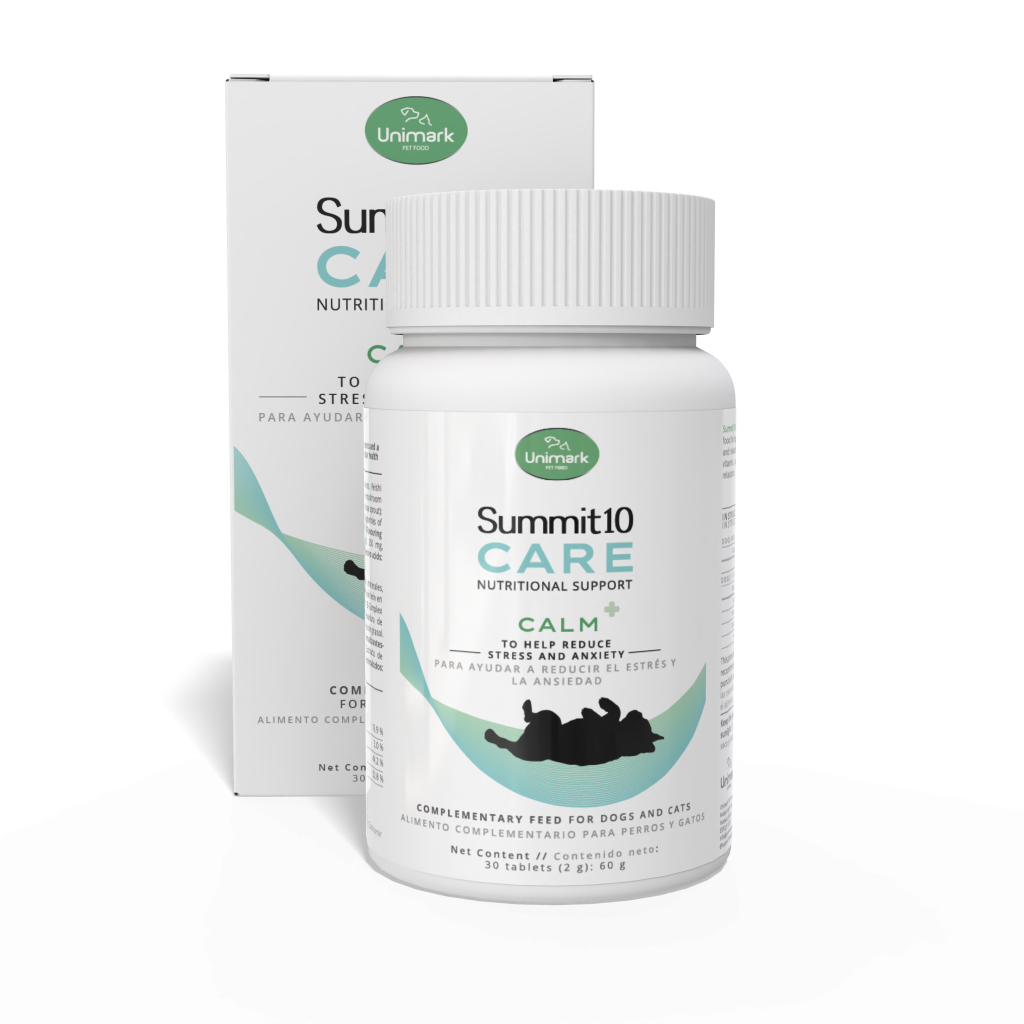
One example is Summit 10 CARE Nutritional Support CALM+, a complementary feed in tablet form formulated to help reduce signs associated with stress and anxiety in dogs and cats. Its formula combines L-tryptophan, L-theanine, passionflower, B vitamins, reishi and lion’s mane, helping to promote a calmer state of mind and support the balance of the but-brain axis.
Pheromones
These mimic chemical signals that may help some dogs feel safer and more secure.
They are available in products such as diffusers, collars and sprays.
They can be particularly useful as a supportive measure in specific stressful situations, although their effectiveness may vary depending on the individual dog and the underlying cause of its anxiety.
Drugs
When anxiety is severe, persistent or significantly affects the animal’s quality of life, a veterinarian may prescribe anxiolytic or antidepressant medication.
These medicines should always be administered under professional supervision and are generally part of a comprehensive treatment plan that also includes behavioral work.
The Link Between Nutrition and Anxiety in Dogs
Although nutrition alone cannot cure an anxiety disorder, it can provide valuable support as part of a broader treatment approach.
The brain requires an adequate supply of nutrients to produce neurotransmitters involved in wellbeing, such as serotonin.
One of the best-known is tryptophan, an essential amino acid involved in the production of serotonin and melatonin. When the diet is deficient or nutritional requirements increase during periods of stress, emotional balance may be affected.
In addition to tryptophan, other nutrients such as omega-3 fatty acids, certain B vitamins and minerals such as magnesium also contribute to the normal functioning of the nervous system.
For this reason, providing a complete and balanced diet is an important step towards supporting your dog’s overall emotional wellbeing.
Conclusion
Not every restless dog has anxiety.
Knowing how to distinguish temporary nervousness from a genuine anxiety problem is the first step towards providing the right support.
In many cases, small changes to the dog’s routine combined with appropriate training may be enough. In others, it may be necessary to combine behavioral therapy, veterinary support, specific nutritional supplementation or even medication.
The sooner the problem is identified, the greater the chances of helping the dog return to a calm and balanced life.
Frequently Asked Questions (FAQs)
How do I know if my dog has anxiety or is simply nervous?
Nervousness usually occurs in response to a specific situation and disappears once the trigger is gone. Anxiety, on the other hand, persists over time and can affect the dog’s behavior, sleep, appetite and even physical health.
Do natural calming products work for all dogs?
They can be useful as supportive tools in mild to moderate cases, but they do not replace a veterinary diagnosis and may not be sufficient when anxiety is severe or chronic.
Can nutrition help with anxiety in dogs?
Yes. A complete and balanced diet provides nutrients involved in the normal functioning of the nervous system, such as tryptophan, omega-3 fatty acids and certain vitamins and minerals. In some cases, a veterinarian may recommend specific nutritional supplements, such as Summit10 CARE Nutritional Support CALM+, as part of a comprehensive management plan.